
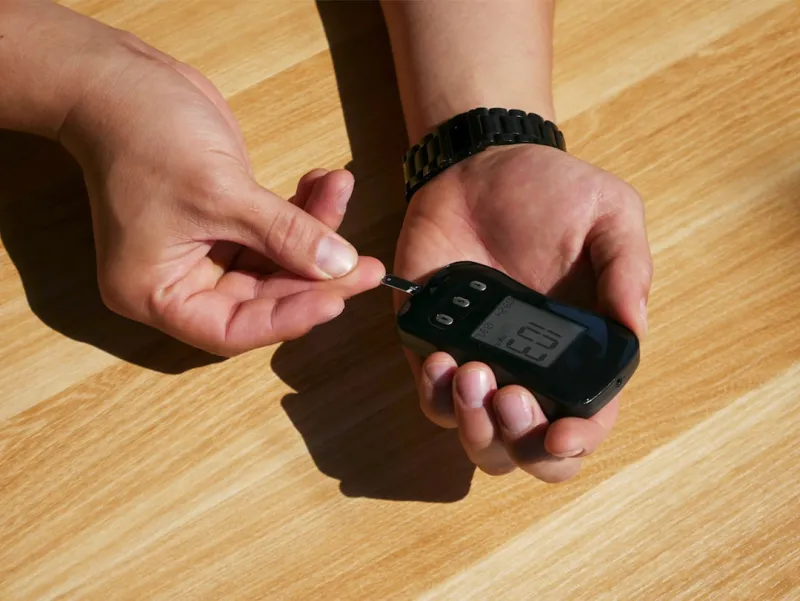
Prediabetes: A Wake-Up Call for a Healthier Lifestyle
Understanding Prediabetes: A Growing Concern
Prediabetes is a condition where blood sugar levels are higher than normal but not high enough to be classified as diabetes. It is estimated that over 88 million people in the United States have prediabetes, and many more are undiagnosed. If left untreated, prediabetes can lead to type 2 diabetes, heart disease, and stroke. The good news is that prediabetes can be reversed with lifestyle changes, making it a wake-up call for a healthier lifestyle. A recent study found that early intervention can significantly reduce the risk of developing type 2 diabetes.
What is Prediabetes?
Prediabetes is a condition where the body becomes resistant to insulin, a hormone produced by the pancreas that regulates blood sugar levels. When we eat, our body breaks down carbohydrates into glucose, which is then absorbed into the bloodstream. Insulin helps to facilitate the entry of glucose into cells, where it can be used for energy. However, in people with prediabetes, the body's cells become less responsive to insulin, making it harder for glucose to enter the cells. As a result, blood sugar levels rise, leading to a range of negative health consequences. The American Diabetes Association provides valuable resources for understanding and managing prediabetes.
Risk Factors for Prediabetes
Several risk factors contribute to the development of prediabetes, including genetics, obesity, physical inactivity, and an unhealthy diet. People with a family history of diabetes are more likely to develop prediabetes. Additionally, being overweight or obese, especially around the abdominal area, increases the risk. A diet high in sugar and refined carbohydrates can also contribute to the development of prediabetes. Furthermore, physical inactivity and a sedentary lifestyle can lead to insulin resistance, making it harder for glucose to enter the cells. Lifestyle changes can significantly reduce the risk of developing prediabetes.
Symptoms of Prediabetes
The symptoms of prediabetes are often mild and can be easily overlooked. They may include increased thirst and urination, fatigue, and blurred vision. However, many people with prediabetes do not experience any symptoms at all, making it a silent condition. This is why it is essential to get screened for prediabetes, especially if you have any risk factors. The connection between physical and mental health is crucial in managing prediabetes.
Diagnosis and Treatment
Prediabetes is diagnosed using a blood test that measures blood sugar levels. The most common test used is the hemoglobin A1c (HbA1c) test, which measures average blood sugar levels over the past two to three months. If your HbA1c level is between 5.7% and 6.4%, you have prediabetes. Treatment for prediabetes typically involves lifestyle changes, such as losing weight, increasing physical activity, and eating a healthy diet. Medications may also be prescribed in some cases. Early intervention is critical in preventing the progression to type 2 diabetes.
The Importance of Lifestyle Changes
Lifestyle changes are critical in reversing prediabetes. A healthy diet that is low in sugar and refined carbohydrates and high in fiber and nutrients can help to regulate blood sugar levels. Increasing physical activity, such as walking or swimming, can also help to improve insulin sensitivity. Additionally, losing weight, especially around the abdominal area, can help to reduce the risk of developing type 2 diabetes. Regular exercise can significantly improve insulin sensitivity and overall health.
Mental Health and Prediabetes
Mental health is an essential aspect of overall health, and prediabetes can have a significant impact on mental well-being. The stress of living with a chronic condition can lead to anxiety and depression. Furthermore, the lifestyle changes required to manage prediabetes can be challenging, leading to feelings of frustration and hopelessness. It is essential to address mental health concerns and seek support from healthcare professionals, family, and friends. The importance of mental health cannot be overstated in managing prediabetes.
Prevention and Management
Preventing and managing prediabetes requires a comprehensive approach that includes lifestyle changes, regular health check-ups, and ongoing support. By making healthy lifestyle choices, such as eating a balanced diet, increasing physical activity, and losing weight, you can reduce your risk of developing type 2 diabetes. Regular health check-ups can help to identify prediabetes early, and ongoing support from healthcare professionals can help to manage the condition. Early intervention is critical in preventing the progression to type 2 diabetes.
Conclusion
Prediabetes is a wake-up call for a healthier lifestyle. By understanding the condition, risk factors, and symptoms, you can take steps to prevent and manage prediabetes. Lifestyle changes, such as a healthy diet and regular physical activity, are critical in reversing prediabetes. Additionally, addressing mental health concerns and seeking support from healthcare professionals can help to manage the condition. By taking control of your health, you can reduce your risk of developing type 2 diabetes and improve your overall well-being.

Deb Roberts is a freelancer who writes on various subjects, bringing versatility and depth to her work. Alongside her broad writing expertise, she has a special passion for horses.
Related Posts
Re‑imagining Prediabetes: Tiny Levers for Big Metabolic Shifts
A fresh, data‑driven approach to prediabetes that focuses on small daily adjustments—mindful foo... Read More

The Silent Threat of Prediabetes: A Holistic Approach to Management
Prediabetes is a silent threat to our health that requires attention and action. Learn about its cau... Read More
The Invisible Saboteur: How Prediabetes Undermines Everyday Energy
Prediabetes often hides behind everyday fatigue and cravings. This post reveals workplace triggers, ... Read More
Top Posts

Beyond Medication: Lifestyle Hacks to Tame Your Blood Pressure
Explore a holistic, data‑driven approach to managing blood pressure with simple breathwork, micro‑movements, nutrition tweaks, and recovery strategies that ...Read More

Navigating Health Insurance Through a Holistic Lens
A practical guide to rethinking health insurance, blending preventive care, mental health, and holistic services so your coverage truly supports a thriving, who...Read More
The Importance of Mental Health in Preventive Care
Mental health and preventive care are intricately linked. Prioritizing both aspects of health can improve health outcomes, reduce healthcare costs, and enhance ...Read More

When Nightmares Take the Wheel: Turning Sleep Terrors into Creative Power
Sleep terrors are more than disruptive episodes; they’re hidden signals that can spark creativity and problem‑solving. Learn a practical framework to captur...Read More
0 Comments
Post Comment
You will need to Login or Register to comment on this post!