
Why Gut Health Matters
When I first noticed my stomach humming like a restless drum during a marathon Zoom call, I realized that gut health had stealthily moved from the back‑of‑the‑mind buzzword to the frontline of my daily performance, and that moment sparked a deep dive into the microscopic world that powers every mood, metabolism, and immune response I experience. What started as a curiosity about occasional bloating quickly unfurled into a holistic investigation that blended scientific research, ancestral eating patterns, and my own trial‑and‑error experiments with fermented foods, targeted fiber blends, and mindful breathing, because I discovered that the gut is not an isolated organ but a bustling ecosystem that talks to the brain, skin, and even the joints. In this post I’m sharing the latest trends, practical tools, and personal revelations that have transformed my digestion from a source of frustration into a well‑tuned engine of vitality, so you can feel the same surge of energy, clarity, and confidence that comes when the microbiome finally decides to work with—rather than against—your lifestyle.
The gut‑brain axis is the most talked‑about pathway in modern wellness circles, yet many still underestimate how profoundly a single upset stomach can hijack mental focus, emotional balance, and even sleep quality; I learned this the hard way when a lingering indigestion episode left me foggy and irritable during a crucial client presentation, prompting me to explore research that shows 90% of serotonin is produced in the intestines and that vagus‑nerve signaling can amplify anxiety when microbial diversity dwindles. By introducing daily probiotic‑rich foods like kefir, sauerkraut, and miso, I noticed a measurable lift in my mood within days, a phenomenon corroborated by studies linking specific Lactobacillus strains to reduced cortisol spikes and heightened feelings of calm. This connection reinforced my belief that nurturing the gut is not just a dietary choice but a strategic mental‑health move, and it motivated me to craft a routine that aligns nutrition, breathwork, and movement to keep the gut‑brain conversation positive and productive.
When it comes to feeding the microbiome, the mantra “more fiber, less processed” is both simple and deceptively powerful; I started by swapping refined wheat tortillas for sprouted‑grain wraps and adding a handful of chia seeds to my morning smoothie, which instantly introduced soluble fibers that act as prebiotics, feeding beneficial bacteria and producing short‑chain fatty acids that reinforce the gut lining. In addition to plant‑based fibers, I embraced diverse sources of resistant starch—cold‑cooked potatoes, green bananas, and lentil salads—because they travel deeper into the colon where they fuel the most resilient bacterial strains, fostering a robust barrier against inflammation and leaky gut. The result? A noticeable reduction in post‑meal bloating, steadier blood sugar levels, and a newfound tolerance for foods that once triggered discomfort, illustrating how strategic fiber choices can rewire digestion from chaotic to harmonious.
Stress, Sleep, and the Microbiome
Stress is the silent saboteur of gut health, and I discovered its impact firsthand when a high‑pressure week at work left my regular bowel movements erratic and my stomach constantly crampy, a classic sign that cortisol spikes can disrupt the delicate balance of microbial populations and impair motility; research now confirms that chronic stress reduces the abundance of anti‑inflammatory bacteria like Akkermansia and promotes opportunistic strains linked to anxiety. To counteract this, I incorporated brief mindfulness breaks throughout the day—five minutes of diaphragmatic breathing before emails, a quick walk outside during lunch, and a nightly gratitude journal—all of which have been shown to lower cortisol and, in turn, give the gut a chance to recover its equilibrium. Pairing these practices with a consistent sleep schedule—aiming for seven to eight hours of deep, uninterrupted rest—further supports the circadian rhythm of gut bacteria, ensuring they perform their detox and repair functions when the body is most receptive.
Sleep quality, often overlooked in nutrition conversations, directly influences gut permeability; I noticed that restless nights accompanied by a sour taste in the morning often preceded an evening of heightened acid reflux, a symptom linked to dysbiosis that weakens the intestinal barrier. By establishing a wind‑down routine that includes dim lighting, a cup of warm herbal tea, and a brief stretch session, I created the conditions for my body to enter parasympathetic mode, allowing the gut lining to repair and the microbiome to thrive. This simple shift not only diminished my nighttime heartburn but also aligned my energy levels for the next day, proving that restorative sleep is as essential to gut health as any superfood.
For those seeking a structured reset, I turned to a comprehensive cleansing plan that combines targeted fasting windows with nutrient‑dense broth and low‑FODMAP vegetables, a protocol I’ve detailed in the ultimate body detox blueprint. The program emphasizes gentle elimination of inflammatory triggers while supplying the gut with easily digestible proteins and electrolytes, allowing the microbiome to rebalance without the shock of extreme calorie restriction. Within ten days, I experienced clearer skin, steadier digestion, and a mental sharpness that felt like the fog had lifted, underscoring how a well‑designed detox can serve as a catalyst for long‑term gut resilience.
Putting It All Together: A Holistic Routine
Building a sustainable gut‑friendly lifestyle requires more than occasional superfoods; it calls for a daily rhythm that respects the symbiotic relationship between diet, movement, and mental wellbeing, and my own schedule now revolves around three core pillars: purposeful eating, intentional movement, and reflective pause. I begin each day with a glass of lukewarm lemon water followed by a probiotic‑rich breakfast—think Greek yogurt topped with berries, nuts, and a drizzle of honey—providing both live cultures and prebiotic fibers that set the tone for a balanced microbiome; throughout the morning, I snack on raw veggies dipped in fermented miso hummus, a combination that continually feeds beneficial bacteria while stabilizing blood sugar.
Midday is reserved for a brief yet vigorous walk or a short yoga flow that stimulates peristalsis and reduces stress hormones, because physical activity has been shown to increase microbial diversity by promoting the growth of butyrate‑producing bacteria, which in turn supports a healthier colon lining; after movement, I hydrate with an herbal tea blend containing ginger, peppermint, and dandelion root, each herb offering anti‑inflammatory benefits and gentle digestive support. In the evening, dinner centers on a rainbow plate of roasted vegetables, a modest portion of wild‑caught salmon for omega‑3s, and a side of fermented kimchi, ensuring that my gut receives a final dose of beneficial microbes before the overnight fast.
Beyond the plate, I regularly revisit the insights from my gut health unlocked journey, which reminded me that diversity is the hallmark of a thriving microbiome; to foster this, I experiment with new fermented foods each month—kombucha, tempeh, or a splash of apple cider vinegar—while also rotating my fiber sources between legumes, whole grains, and resistant‑starch‑rich fruits, preventing any single bacterial strain from dominating. For women, the hormonal fluctuations of menstrual cycles can uniquely influence gut motility and microbiome composition, a nuance I explored in depth within the women’s health guide, where I learned to align my fiber intake and probiotic timing with my cycle phases, mitigating PMS‑related bloating and mood swings. By integrating these evidence‑based practices into a cohesive routine, I have transformed my gut from a source of intermittent distress into a reliable partner in health, and I invite you to experiment, observe, and celebrate the subtle yet powerful shifts that come with nurturing this inner ecosystem.
In closing, the journey to optimal gut health is less about a single miracle food and more about cultivating a lifestyle that honors the intricate dialogue between our bodies and the trillions of microbes that reside within; whether you’re just starting to notice the impact of a gurgling stomach on your day or you’re a seasoned wellness enthusiast seeking the next level of balance, remember that consistency, curiosity, and compassion for your own body are the true ingredients of lasting vitality. I encourage you to take one small step today—perhaps adding a spoonful of fermented kefir to your breakfast or setting a five‑minute mindfulness alarm—and watch how that simple act ripples through your digestion, energy, and overall sense of well‑being. Your gut is listening; give it the love and attention it deserves, and it will reward you with clarity, resilience, and a vibrant life.

Jessica Hall is a dynamic freelance writer based in the vibrant city of London, Ontario. As a dedicated single mom, she expertly juggles the demands of parenthood with her passion for storytelling, crafting compelling narratives that resonate with readers. With a background in retail, Jessica brings a unique perspective to her writing, infusing her work with insights drawn from her experiences
Related Posts
Microbial Mixology: Crafting a Gut That Thrives in a Hyperconnected World
Explore a unique “microbial mixology” strategy that blends food pairings, micro‑movements, col... Read More

The Hidden Dialogue: How Your Gut Shapes Everyday Decision‑Making
Your gut is more than a digestion organ—it’s a communication hub that impacts mood, cognition, a... Read More
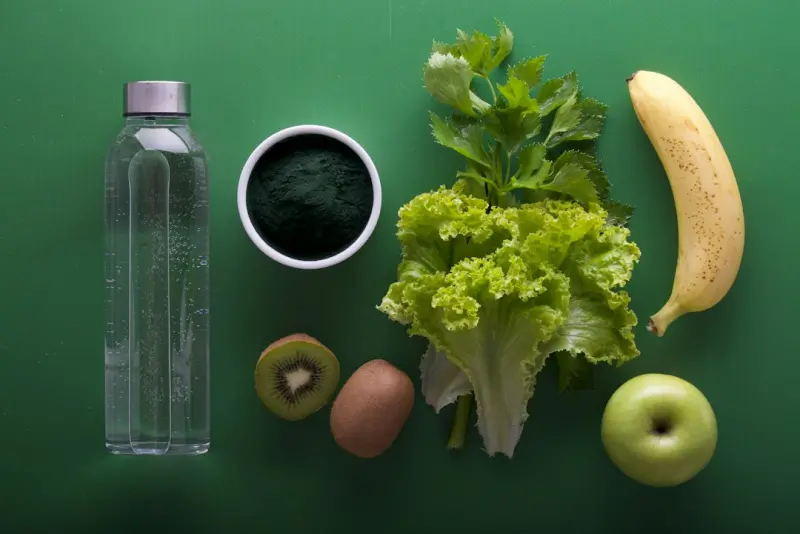
The Microbiome Advantage: How Gut Health Fuels Executive Performance
A deep dive into how gut health influences executive performance, with data‑driven strategies, dai... Read More
Top Posts

Embracing Holistic Aging: A Personal Journey to Vibrant Longevity
A heartfelt guide to thriving in later years through holistic habits—nutrition, movement, sleep, gut health, and social connection....Read More

Gut Feelings: How Your Microbiome Can Turn the Tide on Prediabetes
Learn why the gut microbiome matters for prediabetes, and get actionable nutrition, lifestyle, and data‑driven tips to nurture beneficial bacteria and improve...Read More
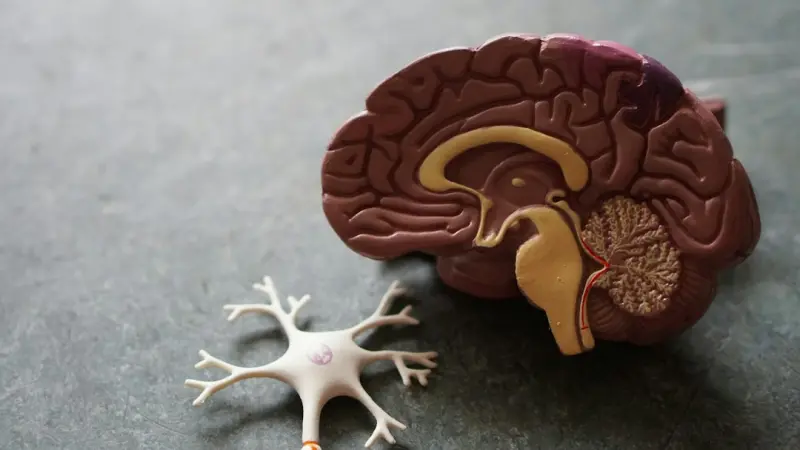
Neuro‑Hygiene: A Daily Playbook for Brain Health
A practical guide to daily neuro‑hygiene, offering micro‑recovery breaks, focused learning sprints, and environment‑based reset zones that together protec...Read More

When Breath Becomes a Bottleneck: How Sleep Apnea Sabotages Executive Decision‑Making
Untreated sleep apnea silently undermines the brain’s executive functions, affecting focus, risk assessment, and strategic choices. Learn how modern diagnosti...Read More
0 Comments
Post Comment
You will need to Login or Register to comment on this post!