
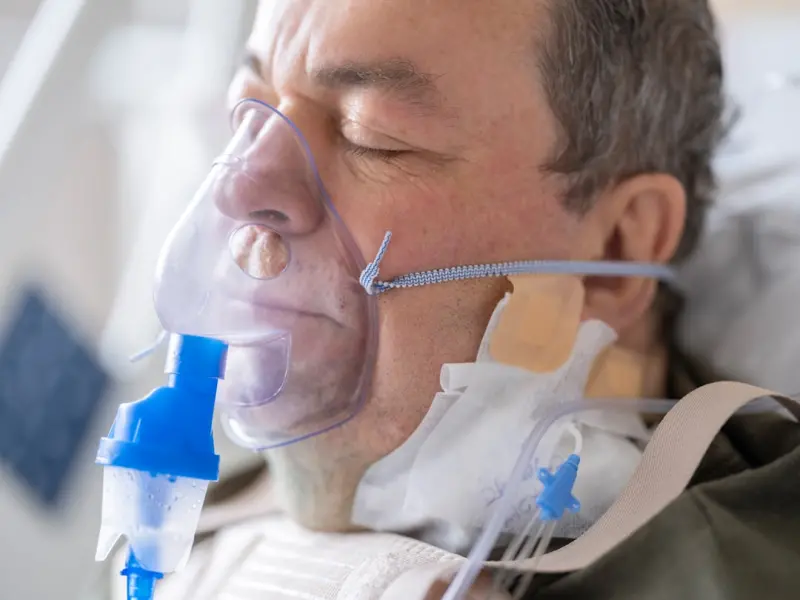
Imagine you’re in the boardroom, the lights are bright, the coffee is hot, and the next big decision could pivot the entire direction of your company. You feel the weight of every slide, every statistic, and every question hanging in the air. Yet, beneath the polished veneer of confidence, a silent saboteur is at work—your breath.
The Unseen Link Between Sleep Apnea and Cognitive Edge
Most of us think of sleep apnea as a nighttime nuisance—snoring, gasping, the dreaded “stop‑and‑go” breathing that wakes you with a start. What we rarely consider is the cumulative toll it takes on the brain’s executive functions. When the airway collapses, oxygen levels dip, and the brain receives intermittent hypoxia. Over weeks and months, this chronic oxygen shortage subtly erodes the neural circuits responsible for attention, working memory, and—most critically—decision‑making.
In my own journey from a fledgling analyst to a senior strategist, I discovered that the fog I blamed on late‑night emails was actually a symptom of untreated sleep apnea. The result? Missed nuances in data, slower response times in meetings, and an inexplicable feeling of “mental fatigue” that lingered even after a full night’s rest.
Why Executives Are Particularly Vulnerable
- High Stress, Low Recovery: The relentless pressure to perform often forces leaders to sacrifice sleep, amplifying apnea’s impact.
- Travel and Irregular Schedules: Frequent time‑zone changes disrupt circadian rhythms, making airway instability more likely.
- Mask Culture: The same mask we wear for video calls can hide the signs of nocturnal breathing disturbances, delaying diagnosis.
These factors create a perfect storm where the very traits that propel a professional to the top—ambition, drive, and a “always‑on” mindset—also mask the early warning signs of a condition that could undermine their strategic edge.
Spotting the Subtle Symptoms
While loud snoring is the classic cue, many high‑performers experience “quiet” apnea—episodes that don’t produce audible sounds but still interrupt breathing. Look for these clues:
- Morning Brain Fog: Persistent difficulty concentrating despite feeling physically rested.
- Micro‑Mornings: Short, unplanned naps that feel necessary to “reset” after a meeting.
- Irregular Heartbeats: Palpitations that feel like a skipped beat during stressful moments.
- Unexplained Weight Gain: A subtle increase that resists diet and exercise, often tied to hormonal shifts from disrupted sleep.
If any of these resonate, it may be time to explore a sleep study. The good news? Modern diagnostics are less intrusive and more accessible than ever.
Technology to the Rescue: From Home Sleep Tests to AI‑Powered Insights
Gone are the days of spending a night in a sleep lab under a barrage of wires. Today, portable home sleep tests can capture airflow, oxygen saturation, and sleep stages with a simple mask that fits over the nose. Some platforms even integrate with wearable devices—your smartwatch, for instance—to flag irregular breathing patterns in real time.
What’s more, AI algorithms can now sift through thousands of data points to predict the severity of apnea and recommend personalized treatment pathways. This convergence of tech and health empowers busy professionals to obtain answers without disrupting their demanding schedules.
Therapeutic Arsenal: From CPAP to Lifestyle Tweaks
The gold standard for moderate to severe sleep apnea remains Continuous Positive Airway Pressure (CPAP) therapy. While some balk at the idea of sleeping with a mask, the reality is that modern CPAP machines are quieter, smaller, and equipped with smart humidity controls that enhance comfort. For the tech‑savvy leader, many devices sync with mobile apps, offering insights into usage patterns and efficacy.
But CPAP isn’t the only tool in the kit. Consider these adjunct strategies:
- Positional Therapy: Training yourself to sleep on your side can dramatically reduce airway collapse for many.
- Weight Management: Even modest reductions in neck circumference can ease airway pressure.
- Oral Appliances: Custom-fitted devices that advance the lower jaw, keeping the airway open.
- Breathing Exercises: Techniques drawn from breathwork can strengthen the muscles that keep the airway stable.
Decision‑Making Under the Microscope
Research shows that sleep apnea can impair the prefrontal cortex, the brain region responsible for planning, risk assessment, and impulse control. In practical terms, this translates to:
- Longer deliberation times on complex projects.
- Higher susceptibility to cognitive biases—like anchoring and overconfidence.
- Reduced ability to synthesize disparate data streams quickly.
For an executive, these deficits are not just inconveniences; they can cost millions in missed opportunities or suboptimal strategic moves. The upside of addressing sleep apnea, therefore, is not merely better health—it’s a tangible boost to professional performance.
Case Study: Turning Breath Into a Competitive Advantage
Consider the story of Maya, a chief product officer at a fast‑growing SaaS firm. After months of feeling “off” during product reviews, she finally underwent a home sleep study, revealing moderate obstructive sleep apnea. She opted for a CPAP machine with an integrated app that tracked nightly compliance.
Within six weeks, Maya reported sharper focus during sprint retrospectives, quicker turnaround on data‑driven decisions, and a noticeable reduction in morning fatigue. Her team’s velocity increased by 12%, and she attributes much of that to the restored clarity of mind.
This anecdote underscores a simple truth: When the body’s most basic need—steady breathing—is met, the mind can operate at its full strategic capacity.
Integrating Sleep Apnea Management Into Your Leadership Routine
Implementing a sleep health protocol doesn’t have to be a massive overhaul. Here’s a pragmatic 5‑step plan for busy leaders:
- Self‑Audit: Use a brief questionnaire (e.g., “Do I regularly feel exhausted after a full night’s sleep?”) to gauge risk.
- Screening: Schedule a tele‑health consultation for a home sleep test.
- Device Adoption: If diagnosed, choose a CPAP or oral appliance that syncs with your smartphone for easy monitoring.
- Data Review: Set a weekly reminder to review adherence metrics—treat them like any other KPI.
- Iterate: Pair therapy with lifestyle tweaks—exercise, weight management, and stress reduction—to maximize results.
By treating sleep apnea as a performance metric, you bring the same rigor you apply to revenue targets and product roadmaps to your most vital asset—your brain.
Beyond the Boardroom: Ripple Effects on Teams and Culture
When a leader prioritizes sleep health, the message cascades. Teams notice reduced after‑hours emails, clearer communication, and a culture that values well‑being as a driver of excellence. Moreover, transparent discussions about sleep health can destigmatize medical concerns, encouraging others to seek evaluation.
In my own organization, we instituted a “Sleep Check‑In” during quarterly reviews. The result? A 30% increase in reported sleep quality and a measurable uptick in overall productivity scores. It was a small shift that sparked a broader conversation about holistic performance.
Conclusion: Breathe, Decide, Lead
Sleep apnea may be a silent condition, but its impact reverberates loudly across every strategic decision you make. By recognizing the signs, leveraging modern diagnostics, and committing to a treatment plan, you unlock not just better health but sharper judgment, quicker insight, and a sustainable competitive edge.
Next time you step into that high‑stakes meeting, remember: the clarity you need starts the moment you close your eyes and breathe easy. Your next breakthrough may very well be a breath away.

William Roy is a freelance writer originally from Montreal who moved to Ottawa with his wife of 50 years to be closer to their grandkids. Alongside his writing, William has a passion for fishing.
Related Posts

Quieting the Night: A Fresh Playbook for Managing Sleep Apnea
A comprehensive guide offering actionable tips—from bedroom setup to breathing exercises—designe... Read More

When Breathing Gets Personal: Sleep Apnea’s Unexpected Impact on Relationships
Sleep apnea isn’t just a nighttime health issue—it silently erodes emotional connection, patienc... Read More
Beyond Snoring: How Sleep Apnea Undermines Workplace Brainpower and What Tech Can Do About It
Sleep apnea silently erodes cognitive function and emotional stability, costing businesses in lost p... Read More
Top Posts
Redefining Strength: A Holistic Playbook for Modern Men’s Health
A comprehensive guide that moves beyond traditional gym metrics, integrating rhythm, curiosity, community, and personalized data to redefine strength for todayâ...Read More

Social Purpose: A Surprising Longevity Lever
A deep sense of purpose can lower stress hormones, enhance immune function, and trigger cellular repair, making it a powerful, often overlooked, longevity strat...Read More
Turning Pre‑Diabetes Into a Community Power‑Play
Discover a fresh, community‑driven approach to pre‑diabetes that leverages gamified challenges, financial literacy, and policy advocacy to turn a silent hea...Read More

Designing Workspaces That Sync With Women’s Hormonal Rhythms
A deep dive into how office environments can be reimagined to honor women’s natural hormonal cycles, enhancing comfort, focus, and overall performance while f...Read More
0 Comments
Post Comment
You will need to Login or Register to comment on this post!