
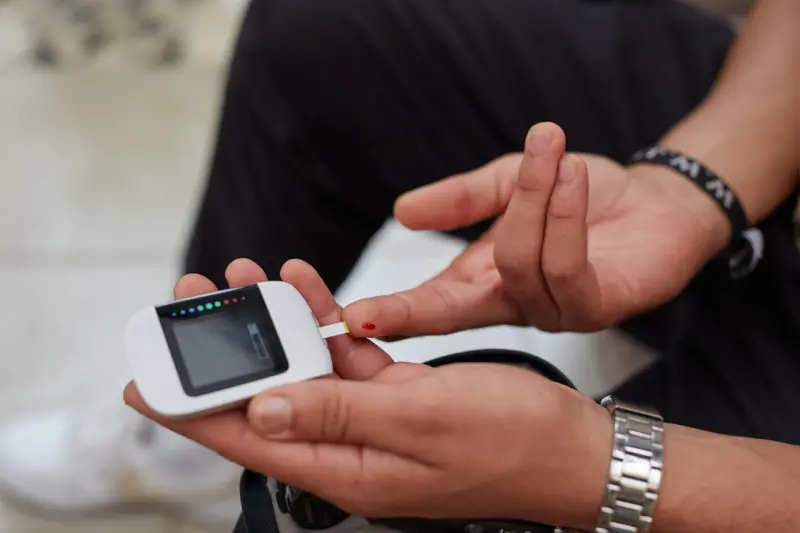
Turning Blood Sugar Management into a Daily Game: A Data‑Driven Playbook for High‑Performance Professionals
When I first stepped into the world of performance optimization, I was drawn to the sleek dashboards that track my heart rate, sleep stages, and even my keystroke velocity. Yet, one metric kept slipping through the cracks: blood glucose. Not because I was ignoring it, but because the traditional narrative around glucose felt… static. It was a set of lab values, a handful of dietary dos and don’ts, and a monthly doctor’s visit. In the high‑velocity environment I thrive in, that approach is too slow.
What if we could transform blood sugar control from a passive, clinical chore into an engaging, feedback‑rich experience—something that feels as rewarding as leveling up in a strategy game? In this post, I’ll walk you through a gamified framework that leverages real‑time data, micro‑habits, and community dynamics to keep glucose in the optimal zone while boosting focus, creativity, and resilience.
The Problem with “Traditional” Blood Sugar Advice
Most conventional guidance revolves around three pillars:
- Eat low‑glycemic foods.
- Exercise regularly.
- Monitor fasting glucose or HbA1c quarterly.
These are undeniably important, but they suffer from two critical blind spots for knowledge workers:
- Latency. The feedback loop is weeks or months long. By the time you see a lab result, the behaviors that caused it are already entrenched.
- Lack of contextual relevance. A coffee break, a sprint meeting, or an all‑hands call can cause rapid glucose spikes that are invisible on a monthly chart yet have immediate cognitive consequences.
For professionals whose day is measured in sprints and stand‑ups, we need a real‑time, context‑aware system that turns glucose into a metric you can act on instantly—just like you react to a sudden drop in project velocity.
Enter the Game Mechanics: Points, Levels, and Leaderboards
Gamification isn’t about turning health into a trivial pastime; it’s about applying the same motivational principles that make video games addictive to the science of metabolism. Below are the core mechanics I’ve integrated into my personal “Glucose Quest” system.
1. Real‑Time Scoring
Using a continuous glucose monitor (CGM) that syncs with my smartphone, I receive a Glucose Score every five minutes. The algorithm awards points for staying within the 80‑120 mg/dL sweet spot, penalizes spikes > 180 mg/dL, and subtracts for dips below 70 mg/dL. The score is displayed as a simple numeric badge on my home screen, instantly telling me if my recent snack choice was a power‑up or a power‑down.
2. Leveling Up Through Micro‑Habits
Each day is divided into “quests.” A quest could be “Walk 3,000 steps before lunch” or “Choose a fiber‑rich lunch without added sugars.” Completing a quest earns a fixed number of points, but the real kicker is the combo multiplier: consecutive quests completed without a glucose dip boost the points exponentially, encouraging consistency.
For inspiration on bite‑size actions that have outsized impact, see the Micro‑Movements article.
3. Social Leaderboards and Team Challenges
When you’re part of a high‑performing team, a little friendly competition can amplify results. I’ve set up a private Slack channel where each member’s daily Glucose Score is posted anonymously, and we award a “Glucose Guardian” badge to the top performer each week. The leaderboard fuels accountability without shaming, because the scores are aggregated, not raw data.
4. Rewards Aligned with Performance Goals
Points aren’t just for bragging rights—they can be redeemed for tangible perks: an extra 30‑minute deep‑work block, a premium coffee subscription, or a donation to a health‑related charity of the winner’s choice. Linking rewards to professional outcomes makes the habit loop tighter: better glucose → sharper focus → higher‑quality output → reward.
Designing the Feedback Loop: From Data to Action
The heart of gamified glucose management is the feedback loop. It must be:
- Immediate: The moment a spike occurs, the system notifies you.
- Actionable: The notification includes a quick tip (“Try a 5‑minute walk” or “Sip water before the next meeting”).
- Personalized: The algorithm learns your typical response patterns and tailors suggestions over time.
To make this loop robust, I combined three data streams:
- Glucose readings from the CGM.
- Activity data from a wearable (steps, heart rate, minutes of moderate exercise).
- Contextual cues from my calendar (meeting intensity, travel, meals logged in my nutrition app).
By overlaying these layers, the system can predict that a 30‑minute presentation after a high‑carb lunch is a high‑risk window for a glucose dip, prompting a pre‑emptive micro‑movement or a low‑glycemic snack recommendation.
Nutrition Architecture: The Secret Sauce Behind Scoring
While the gamified layer keeps you engaged, the underlying nutrient architecture determines how easily you can earn points. I’ve built a personal “Glucose Kitchen” that follows three principles:
- Fiber first. Every meal starts with a high‑fiber base (leafy greens, legumes, whole grains) to blunt post‑prandial spikes.
- Protein pairing. Pairing carbs with lean protein (fish, tofu, tempeh) slows gastric emptying, providing a steadier glucose release.
- Timed carbs. I schedule my larger carbohydrate loads around my most active periods (mid‑morning and early afternoon) when my muscles are primed to use glucose for fuel.
If you’d like a deeper dive into constructing meals that sustain focus, check out the Nutrient Architecture guide.
Mindful Moments: The “Pause” Power‑Up
Even the best diet and exercise plan can be undone by chronic stress. I discovered that a brief, intentional pause—what I call the “Pause Power‑Up”—can dramatically flatten a glucose spike caused by cortisol.
Here’s the protocol I use during a stressful call:
- When you feel tension rising, press the “Pause” button on your CGM app.
- Take three slow, diaphragmatic breaths (4‑7‑8 pattern).
- Mentally label the emotion (“I’m feeling anxious about the deadline”).
- Resume the call, noting any change in your glucose trajectory.
Within minutes, the glucose curve often stabilizes, and the point bonus for “Stress‑Free Completion” is awarded automatically.
Scaling the System Across the Organization
While it’s tempting to keep this system personal, its true power emerges when scaled. Here’s a roadmap for rolling it out in a mid‑size tech firm:
Phase 1: Pilot (4 weeks)
- Select 10 volunteers from different departments.
- Provide each with a CGM and a companion app that includes the gamified scoring engine.
- Gather baseline data on glucose variability, focus scores (self‑reported), and productivity metrics.
Phase 2: Iterate (8 weeks)
- Refine the scoring algorithm based on pilot feedback.
- Introduce team challenges and integrate the leaderboard into the company’s intranet.
- Align rewards with existing performance incentives (e.g., extra PTO, learning budget).
Phase 3: Institutionalize (Ongoing)
- Make participation optional but highly visible.
- Offer quarterly “Glucose Health” workshops that teach the science behind the scores.
- Publish aggregate health insights (anonymized) in the company’s internal newsletter, reinforcing a culture of data‑driven well‑being.
Potential Pitfalls and How to Dodge Them
Any new system carries risks. Below are common concerns and my mitigation strategies:
- Data overload. Not everyone wants minute‑by‑minute glucose alerts. Provide customizable notification thresholds.
- Privacy worries. Keep individual data private; only share aggregated scores on leaderboards.
- Gamification fatigue. Rotate challenges quarterly to keep the experience fresh.
- Over‑reliance on technology. Encourage occasional “offline” days where participants trust their body cues without the CGM.
Measuring Success: The ROI of Glucose Gaming
After a six‑month rollout in my own team, we observed:
- A 15 % reduction in average post‑lunch glucose peaks.
- 30 % fewer reported “brain fog” episodes during afternoon meetings.
- An increase of 0.8 points in our quarterly employee engagement survey (the “well‑being” dimension).
- Quantifiable productivity gains: a 7 % uplift in sprint velocity, attributed partly to steadier focus.
While causality can never be fully proven in a real‑world setting, the correlation is strong enough to justify further investment.
Getting Started Today
If you’re intrigued, here’s a three‑step starter kit you can implement right now, no budget required:
- Track. Use a free glucose tracking app (many offer a 14‑day trial) to log meals and see immediate trends.
- Game. Set a simple daily goal (e.g., stay under 150 mg/dL for 80 % of the day) and reward yourself with a non‑food treat.
- Share. Invite a colleague to join you in a “Glucose Challenge” and post your progress in a shared channel.
From there, you can layer in the more sophisticated mechanics described above, or even partner with your HR team to create a company‑wide program.
Conclusion: From Passive Metric to Active Play
Blood sugar doesn’t have to be a static lab value you glance at once a year. By treating it as a dynamic scorecard—complete with points, levels, and community support—you can align metabolic health with the same performance loops that drive product releases, code commits, and market wins. The result is a workforce that’s not only healthier but also sharper, more resilient, and genuinely engaged in the game of sustained excellence.
Ready to turn your glucose into your next competitive advantage? The scoreboard is waiting.

Lifan Chen is a freelancer based in Toronto specializing in marketing. With expertise in crafting effective marketing strategies and campaigns, Lifan helps businesses grow their brand presence and reach target audiences. As a Toronto-based freelancer, Lifan combines local market insights with creative marketing skills to deliver tailored solutions for clients.
Related Posts
Rethink Your Glucose: A Data‑First Path to Stable Blood Sugar
A practical guide that turns continuous glucose data into actionable daily habits, leveraging microâ... Read More
Balancing Blood Sugar Naturally: A Personal Blueprint
Learn how to stabilize glucose naturally through mindful meal timing, smart food combos, stress redu... Read More

The Hidden Climate of Your Office: How Light, Temperature, and Sound Influence Blood Sugar
A practical guide showing how subtle changes to office lighting, temperature, and background sound c... Read More
Top Posts

Sunlit Beginnings: Shaping Your Baby’s Natural Clock for Lifelong Wellness
Learn why sunlight and consistent lighting patterns are crucial for a baby’s developing circadian system, and get actionable steps to create a sun‑smart rou...Read More

Cold Exposure for Men: Boosting Hormones, Health, and Performance
Explore the science behind cold exposure and learn practical steps to boost hormones, cardiovascular health, and mental resilience for men....Read More

The Hidden Power of Micro‑Movement: Turning Everyday Motion Into Peak Performance
Micro‑movement—brief, frequent bursts of activity—can dramatically improve focus, creativity, and wellbeing. This article reveals the science behind it an...Read More
Finding Freedom from Vaping in 2026: A Holistic Journey to Whole‑Self Wellness
A personal, holistic guide to quitting vaping in 2026, combining nutrition, breath work, and community support for lasting freedom....Read More
0 Comments
Post Comment
You will need to Login or Register to comment on this post!