

Beyond the Scale: Unconventional Paths to Reversing Prediabetes
When I first learned I was walking the fine line of prediabetes, the headline‑driven advice felt… well, familiar. “Cut carbs,” “exercise three times a week,” “track your glucose.” Those are solid steps, but they also paint a picture that health is a series of rigid checkboxes. My own journey taught me that the most powerful shifts often happen when we look beyond the obvious and invite curiosity, play, and context into the equation. Below, I’m sharing the less‑talked‑about levers that have helped me and countless clients move from “borderline” to balanced—without sacrificing the things that make life enjoyable.
Re‑framing Prediabetes: It’s Not Just a Number
Prediabetes is technically defined by fasting glucose, a two‑hour oral glucose tolerance test, or an HbA1c reading that sits in a “gray zone.” Those metrics are valuable, but they can also become a source of anxiety when they dominate the conversation. When you’re constantly watching a number, you can lose sight of the broader ecosystem influencing that number: stress, sleep, social connection, environment, and even the subtle chemistry of the foods you love.
My own shift came when I started treating my glucose reading as a conversation starter rather than a verdict. Instead of asking “Why is my blood sugar high?” I asked “What’s happening in my life right now that might be nudging it up?” The answers led me down pathways I’d never considered—like how the hum of an open‑plan office can spike cortisol, or how the flavor pairings on my plate can either smooth or spike a glucose spike.
The Social Fabric of Glucose
Human beings are wired for connection, yet many of our social habits silently sabotage glucose balance. Think about the post‑lunch catch‑up at the office coffee machine, the weekend brunch with friends where “just one more mimosa” feels inevitable, or the habit of scrolling through food‑focused social media while snacking. Each of these moments adds a layer of stress or indulgence that can tip the metabolic scales.
Research shows that feeling socially supported can lower cortisol, improve sleep quality, and even enhance insulin sensitivity. The trick is to turn those supportive moments into intentional glucose allies. Invite a friend to a “walk‑and‑talk” instead of a coffee meet‑up, swap a sugary treat for a shared fruit platter, or schedule a weekly “digital‑detox dinner” where phones are off and conversation is on. When connection becomes a metabolic strategy, the numbers start to whisper, not shout.
Playful Movement: Small Steps, Big Impact
Traditional advice says “exercise 150 minutes a week.” For many, that feels like a marathon commitment. What if you approached movement as a series of micro‑activities woven into your day? Think of it as a kinetic game of hide‑and‑seek:
- Desk‑side squats: Every time you finish a paragraph, stand up and do five squats.
- Stair sprint intervals: Instead of the elevator, take two flights, then walk back down. Repeat three times.
- Kitchen dance breaks: Put on a favorite song while chopping veggies and move your hips for the chorus.
These bite‑size bursts keep muscles active, improve glucose uptake, and prevent the post‑prandial spikes that often sneak in after meals. The key is consistency, not intensity—your body will thank you for the repeated signals that it can rely on.
Flavor Chemistry: Pairing Foods for Glucose Harmony
One of my favorite discoveries was the science behind Flavor Chemistry: How Food Pairings Unlock Hidden Nutrients. It turns out that the way we combine ingredients can influence the rate at which carbohydrates are absorbed. For example, pairing a starchy sweet potato with a source of healthy fat—like avocado or olive oil—creates a “slow‑release” effect, flattening the glucose curve.
Here are three pairing principles I’ve used to keep my blood sugar steady while still enjoying the flavors I love:
- Acid + Carb: A splash of lemon on quinoa or a dash of vinegar on roasted carrots reduces the glycemic impact.
- Protein + Fruit: Greek yogurt with berries offers a balanced macro mix that tempers sugar spikes.
- Fiber + Fat: Adding nuts or seeds to whole‑grain cereal boosts satiety and slows digestion.
When you think about meals as chemistry experiments rather than calorie tallies, you open the door to creativity and sustained adherence.
Designing Your Environment for Glucose Success
We spend more time in workspaces than anywhere else. The layout, lighting, and even the temperature can affect stress hormones that, in turn, influence insulin. I was inspired by Designing Adaptive Workspaces: Lessons from Narcolepsy for Inclusive Innovation, which reminded me that a space built for one need can benefit many.
Simple tweaks you can apply right now:
- Standing desks: Alternating between sitting and standing reduces post‑prandial insulin resistance.
- Green zones: A small desk plant or a view of nature lowers cortisol, supporting better glucose regulation.
- Sound buffers: Reducing background chatter with soft acoustic panels can keep the nervous system calm.
When your environment nudges you toward movement, relaxation, and mindful eating, you’re building an invisible support system that works 24/7.
The Quiet Power of Sound: Stress Recovery Meets Glucose Control
Stress is a silent driver of insulin resistance. While meditation apps are popular, I found a more subtle tool: ambient soundscapes. The article How Ambient Soundscapes Are Redefining Stress Recovery explores how low‑frequency natural sounds—rainfall, forest canopies, distant ocean waves—activate the parasympathetic nervous system, lowering cortisol and, consequently, glucose levels.
Here’s a quick experiment: set a timer for 10 minutes after lunch, close your eyes, and play a gentle forest sound track. Focus on the breath, let the sound fill the space. You’ll often notice a calmer post‑meal feeling and, over weeks, a measurable improvement in fasting glucose.
Digital Allies: Tracking Without Obsession
Technology can be a double‑edged sword. Many of us have tried endless glucose monitors, apps, and trackers, only to feel overwhelmed. The secret is to choose tools that empower rather than dictate. I recommend a simple “pulse check” app that prompts you once a day to note energy levels, stress, and a quick mood rating. Pair this with a weekly summary rather than hourly alerts. The data becomes a story, not a surveillance system, and you can spot patterns—like a spike after a high‑stress meeting—without the anxiety of constant numbers.
30‑Day “Prediabetes Reset” Challenge
Ready to test some of these ideas? Here’s a straightforward, low‑pressure challenge you can adapt to your lifestyle:
- Day 1‑5: Food Pairing Audit – Write down three meals and note the protein, fat, fiber, and acid components. Adjust one component each day.
- Day 6‑10: Movement Micro‑Moments – Set a phone alarm for every two hours; when it rings, do a 30‑second stretch or walk.
- Day 11‑15: Soundscape Sessions – Introduce a 10‑minute ambient audio break after lunch.
- Day 16‑20: Workspace Tweaks – Add a plant, adjust lighting, or try a sit‑stand cycle.
- Day 21‑25: Social Swap – Replace one weekly coffee catch‑up with a walk‑and‑talk or a shared healthy snack.
- Day 26‑30: Digital Reflection – Use a simple journaling app to note energy, stress, and any glucose readings you choose to track.
At the end of the month, compare your baseline feelings of energy, satiety, and stress to your current state. You might be surprised at how small, intentional changes compound into a noticeable shift—not just in numbers, but in how you feel day‑to‑day.
Wrapping Up: Embrace the Experiment
Prediabetes isn’t a verdict; it’s an invitation to explore the nuanced dance between body, mind, and environment. By treating your health as an ongoing experiment—mixing flavor chemistry, playful movement, sound‑based stress relief, and supportive social design—you create a resilient system that can adapt, learn, and thrive. The goal isn’t perfection; it’s curiosity, consistency, and compassion for yourself as you navigate the path to metabolic wellness.
So, what’s your next micro‑experiment? Share your ideas in the comments; I love hearing how others are turning the ordinary into a catalyst for change.

Tammy French is a Montessori Teaching Assistant and freelance writer passionate about education, creativity, and inspiring lifelong learning through engaging content.
Related Posts

The Social Kitchen: Turning Community Meals into a Prediabetes Defense
A fresh look at prediabetes reveals that community meals, collective movement, and supportive networ... Read More

Navigating Prediabetes: A Holistic Roadmap to Balance and Vitality
I share my journey from a shocking prediabetes diagnosis to a vibrant, balanced life using holistic ... Read More
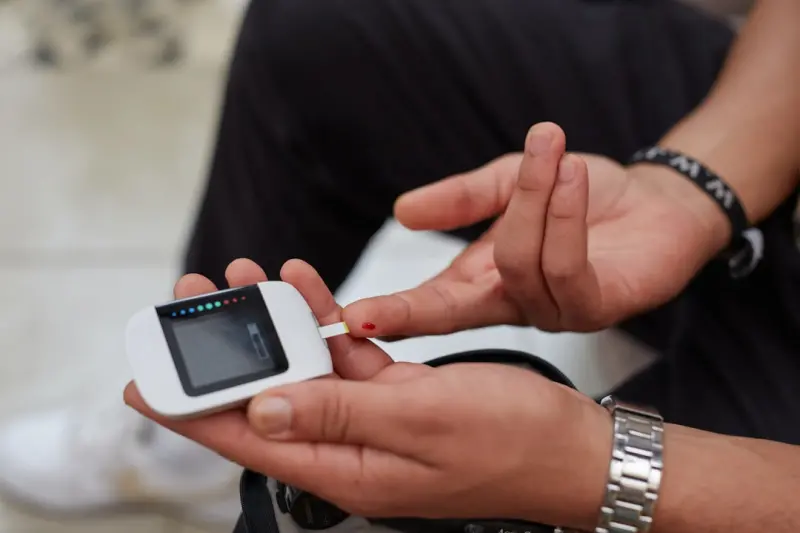
Why Your Digital Habits Could Be the Missing Piece in Prediabetes Control
A fresh look at managing prediabetes through small, tech‑driven habit changes—glucose dashboards... Read More
Top Posts

Cultivating Digital Resilience: How Seniors Can Harness Technology for Longevity
A fresh look at how older adults can turn tech tools into allies for healthier, more connected lives, covering safety, mental sharpness, and community....Read More

Embracing Vibrant Health After 60: A Holistic Guide for Seniors
A senior’s guide to vibrant health: movement, nutrition, sleep, community, and purpose combine for a thriving, holistic aging journey....Read More

Crafting Digital Boundaries for a Healthier Mind
In a world where screens dominate, I share how creating intentional digital boundaries can restore mental clarity, reduce anxiety, and bring back a sense of pea...Read More

Storytelling as a Brain Gym: Boosting Senior Cognitive Health Through Narrative
Storytelling offers seniors a low‑impact, high‑return brain workout that enhances memory, mood, and social connection. Learn practical steps to weave narrat...Read More
0 Comments
Post Comment
You will need to Login or Register to comment on this post!