

When I first saw “prediabetes” on a routine lab report, my reaction was the same mix of relief and dread I feel every time a new software alert pops up on my dashboard: relief because I still have a window to intervene, dread because the warning is a clear sign that my system is already under stress. In the world of B2B SaaS, we spend our days translating data points into actionable insights; the same mindset can be a lifesaver when you apply it to your own metabolism.
Why Prediabetes Is More Than a Blood Sugar Number
Most conversations around prediabetes focus on the classic fasting glucose or A1C thresholds. Yet, the metabolic ripple effects begin well before those numbers become alarming. Insulin resistance—the hallmark of prediabetes—starts to whisper to your brain, your gut, and even your immune system. Think of it as a silent background process that reallocates resources, subtly shifting energy away from cognitive tasks and toward storing fat. This can manifest as “brain fog,” reduced decision‑making speed, and an increased craving for quick‑carb rewards. In a workplace that prizes rapid thinking and constant innovation, those micro‑impairments add up fast.
The Cognitive Cost: How Early Metabolic Shifts Hijack Decision‑Making
Research shows that even modest elevations in insulin levels can dampen the prefrontal cortex’s ability to filter distractions. The result? A longer time to focus, more susceptibility to impulsive choices, and a slower recovery from mental fatigue. If you’ve ever found yourself reaching for a sugary snack during a long meeting, your brain may be signaling that it’s running low on reliable fuel. This isn’t a character flaw; it’s a physiological response to an energy‑delivery problem.
In practice, this means that prediabetes can quietly erode the very qualities that make us valuable contributors: strategic thinking, creative problem‑solving, and sustained attention. The good news? The same data‑driven tactics we use to optimize software performance can be repurposed to restore metabolic balance.
Reframing the Problem: From “Fix the Sugar” to “Optimize the System”
When I debug a lagging app, I look beyond the obvious bottleneck and examine the entire stack: server load, network latency, even the user interface. Prediabetes demands a similarly holistic view. Instead of obsessing solely on glucose numbers, consider these three interlocking layers:
- Neural Fueling – How the brain receives and utilizes glucose.
- Gut Signaling – The role of microbiota in insulin sensitivity.
- Environmental Triggers – Light, stress, and timing that affect hormonal rhythms.
By addressing each layer, you create redundancy and resilience, turning a single‑point failure into a robust, self‑correcting system.
Layer One: Neural Fueling – The Brain‑Glucose Connection
Glucose is the brain’s preferred fuel, but it doesn’t care whether it comes from a bowl of oatmeal or a soda. The difference lies in the rate of delivery. Rapid spikes cause insulin surges, which in turn trigger a crash that leaves the brain hungry for the next quick fix. This cycle fuels the cravings that keep prediabetes looping.
One practical fix is to adopt a steady‑state fueling strategy. Instead of three large meals, try five to six smaller, balanced portions that combine low‑glycemic carbs, protein, and healthy fats. This keeps blood glucose within a narrower band, reducing insulin spikes and giving the brain a reliable energy pipeline.
For a deeper dive on daily tactics to keep your sugar steady, check out Glucose Harmony: Everyday Hacks to Keep Blood Sugar Steady. The article outlines simple swaps—like pairing fruit with nuts or swapping white rice for quinoa—that make a measurable difference in insulin response.
Layer Two: Gut Signaling – Microbiome as a Metabolic Moderator
While most of us think of the gut as a digestion organ, it’s actually a massive endocrine hub. Certain strains of gut bacteria produce short‑chain fatty acids (SCFAs) that improve insulin sensitivity and dampen inflammation. Conversely, a diet high in processed foods can encourage dysbiosis, leading to higher insulin resistance.
Here’s a starter “micro‑boost” plan you can implement in just a week:
- Fiber First: Aim for 25–30 g of diverse fiber daily (think legumes, berries, and leafy greens).
- Fermented Friends: Incorporate kefir, sauerkraut, or kimchi to seed beneficial microbes.
- Polyphenol Power: Dark chocolate, green tea, and turmeric act as pre‑biotics, feeding the good bacteria.
When you nourish the microbiome, you give the gut a louder voice in the insulin conversation, often lowering resistance without any medication.
Layer Three: Environmental Triggers – Syncing with Your Body Clock
Our internal circadian rhythm isn’t just about sleep; it governs hormone release, including cortisol and melatonin, which in turn affect glucose metabolism. Disrupting this rhythm—by eating late at night, exposing yourself to blue light after sunset, or pulling all‑nighters—creates a perfect storm for insulin resistance.
Aligning meals and activity with your body’s natural clock can dramatically improve glucose handling. The concept is called chrononutrition, and it’s more than a trendy buzzword; it’s a scientifically backed approach to timing nutrient intake for optimal metabolic response. For actionable guidance on integrating timing into your diet, see Chrononutrition: Eating with Your Body Clock to Extend Vitality.
Digital Tools: Turning Data Into Personal Health Intelligence
In the SaaS world, dashboards turn raw logs into visual insights. The same principle applies to personal health data. Continuous glucose monitors (CGMs), sleep trackers, and heart‑rate variability (HRV) wearables can feed a personal health dashboard that reveals patterns you’d otherwise miss.
Here’s a quick setup you can try:
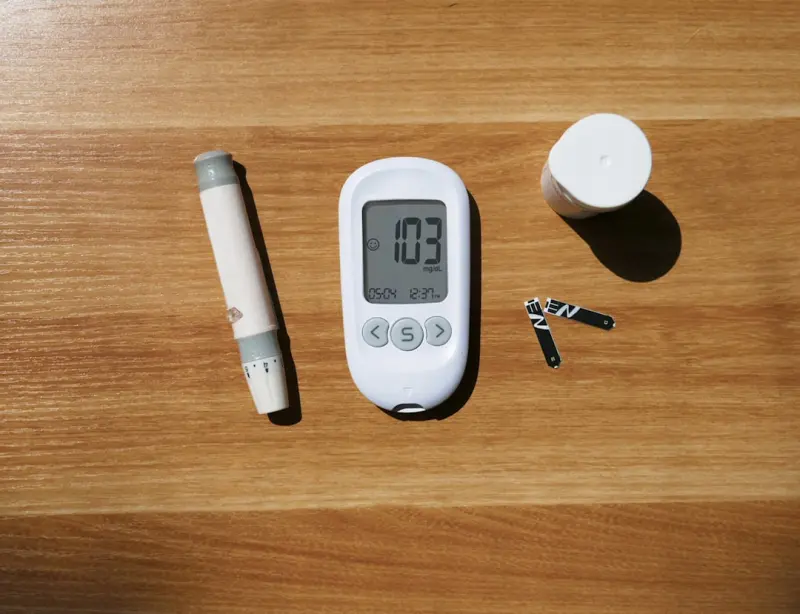
- Connect a CGM (or a low‑cost finger‑stick app) to a cloud platform that aggregates glucose readings.
- Sync a sleep tracker to capture REM cycles, which influence insulin sensitivity.
- Overlay HRV data to see how stress spikes correspond with glucose excursions.
With these layers visualized, you can run A/B tests on your diet, exercise, and stress‑management experiments—just like you’d test a new feature release.
From Insight to Action: A 30‑Day “Prediabetes Reset” Blueprint
Below is a structured, yet flexible, 30‑day plan that blends the three layers we’ve explored. Treat it as a sprint, not a marathon; the goal is to collect data, iterate, and lock in habits that stick beyond the calendar.
- Days 1‑7: Baseline & Data Capture
- Log meals, sleep, and stress levels in a simple spreadsheet or health app.
- If possible, wear a CGM for at least three days to establish glucose patterns.
- Days 8‑14: Nutrient Timing
- Shift your largest carbohydrate intake to before 2 PM.
- Introduce a 30‑minute post‑lunch walk to boost insulin sensitivity.
- Days 15‑21: Gut Boost
- Add a fermented food to at least one meal each day.
- Replace a sugary snack with a handful of nuts and berries.
- Days 22‑30: Stress & Sleep Optimization
- Implement a wind‑down routine: dim lights, no screens after 9 PM.
- Practice a 5‑minute breath‑focus exercise before bed to lower cortisol.
At the end of the month, compare your initial glucose trends, sleep quality scores, and subjective energy levels. You’ll likely notice sharper focus, fewer cravings, and a steadier mood—early signs that the metabolic engine is humming more efficiently.
Why This Matters for Professionals and Teams
Prediabetes isn’t just a personal health issue; it’s a silent productivity risk. Teams that unknowingly operate with members experiencing brain fog or erratic energy cycles can suffer from missed deadlines, reduced creativity, and higher turnover. By fostering a culture that encourages metabolic awareness—through wellness challenges, data sharing (with consent), and supportive policies—you can turn a hidden liability into a competitive advantage.
Imagine a quarterly “Metabolic Hackathon” where employees share the most effective habit or tool they discovered for stabilizing energy. The result is a repository of real‑world solutions that boost both individual health and collective performance.
Bottom Line: Treat Prediabetes Like a Critical System Alert
If a server flag goes red, you don’t wait for a full crash; you investigate, patch, and monitor. The same urgency should apply to prediabetes. By viewing it through the lens of system optimization—addressing neural fueling, gut signaling, and environmental timing—you can turn a warning sign into a roadmap for sharper cognition, steadier energy, and long‑term health resilience.
Take the first step today: log a single meal, notice how you feel, and start building the data set that will empower your next health‑focused iteration. In the same way we iterate software, you can iterate your biology—one insight, one habit, one data point at a time.

Related Posts
Living with Prediabetes: A Personal Journey from Stigma to Strength
A candid look at the emotional rollercoaster of prediabetes, offering practical tips to reshape soci... Read More

Turning Pre‑Diabetes Into a Community Power‑Play
Discover a fresh, community‑driven approach to pre‑diabetes that leverages gamified challenges, ... Read More

When Food Becomes Medicine: Community Cooking as a Game‑Changer for Prediabetes
A fresh approach to prediabetes: learn how gathering friends for creative, spice‑rich meals builds... Read More
Top Posts

The Complex Relationship Between Mental Health and Weight Loss
Mental health and weight loss are intricately linked. Learn how stress, emotional eating, and nutrition impact your weight loss journey and find tips for a holi...Read More

Rewriting Your Blood‑Sugar Narrative: Micro‑Habits, Seasonal Foods, and Energy Equity at Work
Learn to transform blood‑sugar management into a powerful story of steady energy at work, using chrononutrition, micro‑habits, and seasonal foods for lastin...Read More

Living in the Land of Sudden Sleep: Turning Narcolepsy Into a Creative Asset
A personal guide to embracing micro‑naps, wearable tracking, and energy‑based productivity for those living with narcolepsy, turning the condition into a so...Read More

Rewiring Your Space: How Home Design Can End Insomnia
Learn practical, data‑backed strategies to optimize light, temperature, air quality, and sound in your bedroom, turning your home into a sleep‑friendly envi...Read More
0 Comments
Post Comment
You will need to Login or Register to comment on this post!