
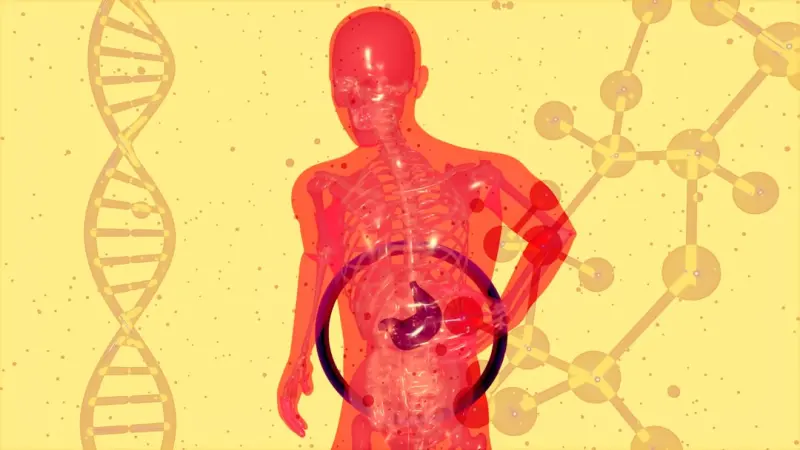
Why the Liver Deserves a Seat at Your Wellness Table
When we talk about “core” health, the conversation usually orbits the heart, the brain, or the gut. The liver, however, quietly orchestrates a symphony of metabolic processes that keep those organs humming. From filtering toxins to synthesizing proteins, storing glycogen, and regulating hormones, the liver is the body’s ultimate multitasker. Yet, most of us treat it like a background actor—only remembering it when something goes wrong.
In this deep‑dive, I’ll walk you through a fresh framework for liver vitality that goes beyond “eat your greens.” We’ll explore three under‑appreciated pillars: nutrient timing, adaptive stress response, and micro‑environmental harmony. Each pillar is grounded in emerging research and practical habits you can embed into a busy professional life without overhauling your entire schedule.
1. Nutrient Timing: Aligning Meals With Your Liver’s Internal Clock
Chronobiology isn’t just about sleep; every organ follows a circadian rhythm, and the liver is no exception. Studies show that hepatic enzymes peak at certain times of day, influencing how efficiently the liver metabolizes fats, carbohydrates, and alcohol. Ignoring this rhythm can lead to “metabolic misfires,” where nutrients are stored as fat rather than being burned for energy.
Here’s how you can tune in:
- Front‑Load Protein and Healthy Fats: Consuming a protein‑rich breakfast (think eggs, Greek yogurt, or a plant‑based protein shake) provides amino acids when the liver’s gluconeogenesis pathways are most active. Pair with omega‑3 rich sources like chia seeds or walnuts to support anti‑inflammatory pathways.
- Mid‑day Carbohydrate Balance: Around noon, the liver’s glycolytic activity is primed. Opt for complex carbs—quinoa, sweet potatoes, or legumes—that release glucose gradually, preventing spikes in insulin and reducing hepatic fat synthesis.
- Evening Light Meal: As the day winds down, the liver shifts toward detoxification and repair. A light dinner featuring cruciferous vegetables (broccoli, bok choy) and a modest portion of lean protein aids phase‑II detox pathways without overwhelming the organ.
When you synchronize eating patterns with these natural peaks, you’re essentially handing the liver a well‑organized to‑do list, allowing it to focus on detox and regeneration rather than scrambling to catch up.
2. Adaptive Stress Response: Training the Liver to Bounce Back
Stress isn’t just a mental state; it manifests chemically as cortisol, adrenaline, and inflammatory cytokines—all of which place a load on hepatic function. Chronic stress can tilt the liver toward a pro‑inflammatory profile, impairing bile production and compromising the organ’s ability to process toxins.
Two evidence‑based strategies can transform stress from a liability into a resilience‑building tool:
- Micro‑Recovery Bursts: Instead of long meditation sessions that feel impossible amid back‑to‑back meetings, practice 60‑second “micro‑breaths.” Inhale for four counts, hold for two, exhale for six. Doing this five times per hour signals the autonomic nervous system to shift from fight‑or‑flight to a parasympathetic state, reducing cortisol spikes that would otherwise burden the liver.
- Heat‑Shock Conditioning: Short, controlled exposure to mild heat—such as a 10‑minute sauna or a hot shower—induces the production of heat‑shock proteins (HSPs). HSPs act as molecular chaperones, helping the liver refold damaged proteins and enhancing its antioxidative capacity. Aim for two sessions per week, ensuring you stay well‑hydrated before and after.
Both practices are low‑time‑investment but high‑return, perfect for professionals juggling deadlines and personal commitments.
3. Micro‑Environment: The Gut‑Liver Axis and What It Means for You
While the gut microbiome has earned its moment in the spotlight, the specific relationship between gut bacteria and liver health remains a fertile frontier. The portal vein directly shuttles microbial metabolites to the liver, where they can either support detox (short‑chain fatty acids) or trigger inflammation (lipopolysaccharides).
Optimizing this axis involves three actionable steps:
- Prebiotic Powerhouses: Foods rich in inulin and resistant starch—such as chicory root, Jerusalem artichoke, and cold‑cooked oats—feed beneficial Bifidobacteria that produce short‑chain fatty acids, which in turn enhance hepatic lipid metabolism.
- Targeted Probiotic Strains: Research highlights Lactobacillus rhamnosus and Bifidobacterium longum for reducing liver enzyme elevations in non‑alcoholic fatty liver disease (NAFLD). A daily supplement delivering at least 10 billion CFU of these strains can be a strategic addition.
- Fermented Foods as Functional Allies: Incorporating kimchi, kefir, or miso introduces live cultures that diversify the gut ecosystem, creating a buffer against endotoxin leakage that would otherwise stress the liver.
When the gut environment is balanced, the liver receives a steady stream of “good” signals, allowing it to focus on its primary detox duties.
4. The Role of Micronutrients—Beyond the Buzzword
Most articles lump micronutrients into a generic “vitamin” bucket. Let’s get granular. The liver’s detox arsenal relies on specific cofactors:
- Glutathione (GSH): The master antioxidant is synthesized from cysteine, glycine, and glutamate. Including sulfur‑rich foods like garlic, onions, and cruciferous vegetables fuels this pathway.
- Selenium: A trace mineral essential for the activity of glutathione peroxidase, an enzyme that neutralizes peroxides. Brazil nuts (just one or two per day) provide a potent dose.
- Vitamin B12 and Folate: Both support methylation cycles that are critical for phase‑II detoxification. Leafy greens, beans, and fortified cereals keep these levels optimal.
Rather than scattering supplements, focus on a “targeted micronutrient stack” that aligns with the liver’s seasonal demands. For instance, during winter months when oxidative stress from indoor heating rises, prioritize selenium and glutathione precursors.
5. Alcohol, Caffeine, and the Modern Lifestyle: Redefining Moderation
Many of us consider a glass of wine or a daily latte as harmless rituals. However, the liver metabolizes ethanol and caffeine via overlapping enzymatic pathways (primarily CYP2E1). Overloading these pathways can lead to “enzyme fatigue,” diminishing the liver’s capacity to process other toxins.
Practical moderation strategies:
- Alcohol “Reset” Days: Designate two non‑consecutive days each week as alcohol‑free. This gives CYP2E1 a chance to recover, improving overall detox efficiency.
- Caffeine Timing: Limit caffeine intake to the morning window (before 12 p.m.) when hepatic clearance rates are highest. If you crave a later boost, opt for a green tea matcha, which provides L‑theanine—a calming amino acid that reduces stress‑induced cortisol spikes.
These tweaks don’t demand total abstinence; they simply respect the liver’s processing limits.
6. Movement Matters—But Not in the Way You Expect
While high‑intensity workouts are great for cardiovascular health, they can temporarily increase oxidative stress, placing a short‑term burden on the liver. The key is balancing intensity with recovery.
Consider integrating “post‑exercise liver care” into your routine:
- Hydration with Electrolytes: After a workout, drink a glass of water infused with a pinch of sea salt and a squeeze of lemon. The electrolytes support hepatic blood flow, while the citric acid aids in bile production.
- Post‑Workout Protein: Consuming 20‑30 g of high‑quality protein within 30 minutes post‑exercise supplies amino acids for liver repair and gluconeogenesis, preventing glycogen depletion that can stress hepatic metabolism.
These small post‑exercise habits ensure that the liver can bounce back quickly, turning sweat‑induced stress into a regenerative opportunity.
7. Leveraging Technology: Data‑Driven Liver Care
In the age of wearable tech, you can now monitor biomarkers that indirectly reflect liver health. Devices that track heart‑rate variability (HRV) give insight into autonomic balance; a consistently low HRV often correlates with chronic stress, which, as we’ve discussed, can impair hepatic function.
Pair HRV readings with a simple at‑home liver panel (available through many tele‑health services) every three months. By overlaying these data points, you can spot trends—like a dip in HRV coinciding with elevated liver enzymes—and adjust lifestyle variables proactively.
8. Integrating the Pillars: A Sample 7‑Day Liver‑Boost Plan
To bring the concepts together, here’s a realistic weekly outline that you can adapt to your schedule.
| Day | Morning | Midday | Evening |
|---|---|---|---|
| Monday | Protein‑rich breakfast (eggs + spinach); 60‑second micro‑breath x5 30‑min brisk walk | Quinoa bowl with roasted chickpeas, broccoli, olive oil Take probiotic (L. rhamnosus) | Light salmon, sautéed kale; 10‑min sauna (optional) |
| Tuesday | Greek yogurt with chia seeds & berries; 60‑second micro‑breath x5 | Brown rice, lentil curry, fermented kimchi | Grilled chicken, sweet potato; lemon‑water electrolytes |
| Wednesday | Scrambled tofu, bell peppers; 60‑second micro‑breath x5 | Mixed greens salad with walnuts, avocado, balsamic Take selenium supplement (Brazil nut) | Steamed cod, asparagus; 10‑min sauna |
| Thursday | Oatmeal with almond butter, banana; 60‑second micro‑breath x5 | Whole‑grain wrap, turkey, sauerkraut Take probiotic (B. longum) | Vegetable stir‑fry, tofu; lemon‑water electrolytes |
| Friday | Protein smoothie (pea protein, kale, flaxseed); 60‑second micro‑breath x5 | Brown rice bowl with edamame, miso broth | Grilled shrimp, quinoa; 10‑min sauna (optional) |
| Saturday | Egg white omelet, mushrooms; 60‑second micro‑breath x5 | Chicken salad with mixed nuts, apple slices | Roasted turkey, cauliflower mash; lemon‑water electrolytes |
| Sunday | Greek yogurt, honey, pistachios; 60‑second micro‑breath x5 | Vegetable soup with barley, kimchi side | Rest day – herbal tea (dandelion root) & gentle walk |
This plan respects nutrient timing, incorporates micro‑recovery bursts, nurtures the gut‑liver axis, and adds occasional heat‑shock sessions. Feel free to swap proteins or vegetables based on preference, but keep the structural principles intact.
9. When to Seek Professional Guidance
Even with the best lifestyle habits, certain conditions—like genetic predispositions, chronic hepatitis, or medication‑induced liver strain—require medical oversight. If you notice persistent fatigue, abdominal discomfort, unexplained yellowing of the skin, or your routine liver panel shows ALT/AST levels above the normal range, schedule a consultation with a hepatologist.
Early detection combined with the lifestyle framework outlined here can dramatically improve outcomes, turning a potential crisis into a manageable, long‑term health journey.
10. Bringing It All Together
The liver doesn’t need a spotlight to be vital; it needs consistent, intelligent support. By aligning meals with the organ’s natural rhythm, training the stress response, cultivating a gut environment that feeds the liver, and fine‑tuning micronutrient intake, you give the liver the conditions it needs to thrive. Pair these habits with data‑driven monitoring and occasional heat‑shock conditioning, and you’ll see improvements not only in liver markers but also in overall energy, mental clarity, and resilience.
Take the first step today: choose one micro‑recovery burst, adjust your breakfast protein, and add a probiotic to your routine. Small, intentional changes compound over weeks and months, delivering a liver that works for you—not the other way around.
For those interested in expanding their nutrient knowledge, consider exploring personal superfood library insights, and if you’re curious about natural detox pathways, the nature‑based detox journey article offers complementary strategies.

Related Posts

Unlocking the Liver’s Hidden Potential: A Practical Guide for High‑Performers
A deep dive into liver health that blends nutrition, fasting, movement, stress reduction, and techâ€... Read More

Unlocking Liver Longevity: Data‑Driven Steps for Everyday Resilience
A data‑driven guide outlines three everyday levers—movement, sleep, and stress management—to s... Read More

Unlocking Liver Longevity: A Holistic Blueprint for Everyday Resilience
A practical, holistic guide reveals how seasonal eating, adaptive fasting, micro‑movements, and ti... Read More
Top Posts

Beyond the Bottle: Everyday Strategies to Fortify Your Liver Naturally
Explore simple, science‑backed habits—including carb timing, breathing breaks, and light resistance—that support liver health and improve energy, digestio...Read More

Beyond the Clinic: How Digital Tools Are Revolutionizing Physiotherapy
Deb Roberts shares her firsthand experience integrating tele‑physio, wearables, virtual reality, and gamified home exercises, offering practical tips for clin...Read More

Holistic Mental Health in a Hyperconnected World: Craig Brett’s Playbook
Craig Brett shares a practical, holistic roadmap for mental wellness, blending nutrition, sleep, exercise, and community support to help busy people thrive in t...Read More
Grounded Health: How Soil Connection Boosts Immunity and Mood
Discover the powerful health benefits of soil contact, from boosting immunity to enhancing mood, and learn simple ways to incorporate grounding practices into d...Read More
0 Comments
Post Comment
You will need to Login or Register to comment on this post!