
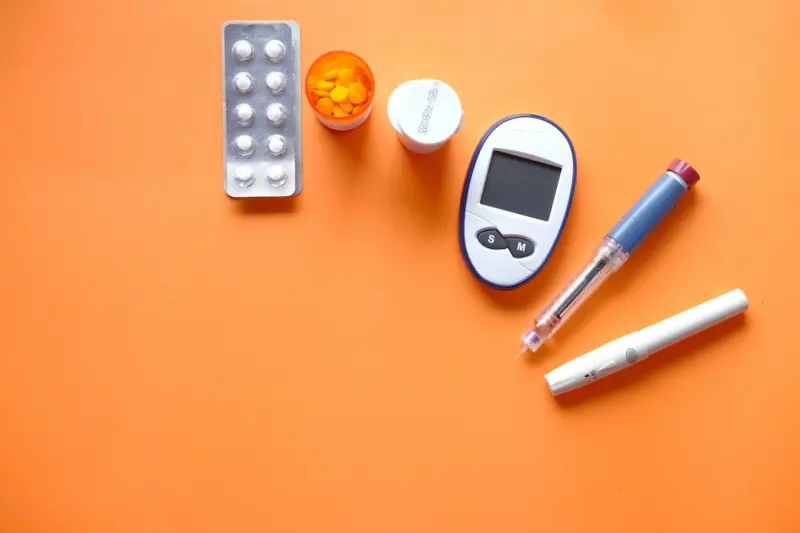
Why Turning Glucose Control into a Game Is the Next Big Leap
When I first started tracking my own blood sugar, the data felt like a relentless alarm clock—every spike a red flash, every dip a warning siren. It was accurate, but it wasn’t motivating. The numbers sat on a spreadsheet, and the lifestyle changes felt more like chores than choices. That experience sparked a question that still drives my work: what if we could make glucose management feel less like medical duty and more like the next level in a game?
The Psychology Behind Gamification
Games thrive on three core principles: clear goals, immediate feedback, and a sense of progression. In the world of behavioral science, these map directly onto the mechanisms that sustain habit formation. A goal gives you a destination (e.g., keep post‑meal glucose under 140 mg/dL). Feedback tells you in real time whether you’re on track (think color‑coded alerts on a wearable). And progression celebrates milestones—badges, streaks, leaderboards—that keep you coming back for more.
Traditional glucose management programs often miss one or more of these pillars. They set targets, but feedback can be delayed (lab results days later). They celebrate progress in abstract terms (percentage of “in‑range” days) that feel detached from daily life. By re‑engineering the experience around gamification, we can close that gap.
Building Your Personal Glucose Quest
Below is a step‑by‑step framework that transforms everyday blood sugar data into a living, breathing game. Feel free to adapt any part to fit your lifestyle, technology stack, or personal preferences.
- Step 1: Choose Your Platform – Whether you prefer a dedicated health app, a smartwatch, or a simple spreadsheet, the tool should deliver real‑time glucose readings. Many continuous glucose monitors (CGMs) now sync directly to phones, giving you a live dashboard that can be customized with colors, sounds, or vibrations.
- Step 2: Define “Quest Goals” – Instead of vague advice (“eat healthier”), set quantifiable quests: “Maintain a 2‑hour post‑meal glucose < 130 mg/dL for 5 consecutive days,” or “Earn the ‘Fiber Champion’ badge by hitting 30 g of fiber daily for a week.”
- Step 3: Map Actions to Points – Assign point values to actions that influence glucose: +10 points for a 15‑minute walk after a carb‑heavy lunch, –5 points for a sugary snack. Over time, the points system becomes a personal scorecard that encourages the right choices.
- Step 4: Integrate Immediate Feedback – Leverage the same logic that powers How Real‑Time Biofeedback Turns Blood Pressure Management into a Skill. Set up haptic alerts on your watch when glucose rises above your target, or a celebratory chime when you hit a streak. The key is that the feedback happens within seconds, not hours.
- Step 5: Create Levels & Badges – As you accumulate points, unlock “levels” that represent deeper mastery: Level 1 could be “Glucose Rookie,” Level 5 “Stabilization Specialist.” Badges add visual recognition—think “Morning Move Master” for walking before breakfast three days in a row.
- Step 6: Foster Social Competition (Optional) – If you’re comfortable, invite a friend or join an online community where members share scores, challenges, and encouragement. A friendly leaderboard can transform solitary monitoring into a collective quest.
Why Real‑Time Data Is the Game‑Changer
Gamification hinges on rapid feedback loops. In the same way that athletes adjust technique after a single missed shot, you can tweak food choices or activity within minutes of a glucose spike. This immediacy is the secret sauce that turns raw data into a learning engine.
Modern CGMs paired with smartphone APIs enable developers to script custom notifications. For instance, if your glucose climbs above 150 mg/dL within 30 minutes of a meal, a pop‑up could suggest “Try a 10‑minute walk” or “Drink a glass of water.” Over weeks, you’ll notice patterns—perhaps a particular brand of yogurt consistently triggers a rise—allowing you to make precise dietary edits without guesswork.
The Role of Nutrition: Not Just Calories, but Micronutrients
While gamification can be applied to any metric, glucose is uniquely sensitive to the quality of carbs, fiber, and even protein. Research shows that Microbiome Hacks for High‑Performance Professionals can influence glycemic response, but you don’t need a Ph.D. to leverage that insight. Here’s a quick cheat sheet you can embed in your point system:
- Fiber Power – Each gram of soluble fiber can blunt post‑meal spikes. Award yourself +5 points for every 5 g of soluble fiber you consume.
- Protein Pairing – Pairing carbs with lean protein slows digestion. Add +3 points for meals that include a protein source like chicken, tofu, or Greek yogurt.
- Acidic Add‑Ons – A splash of vinegar or a squeeze of lemon can reduce glycemic impact. Grant +2 points for each acidic condiment used.
Movement Mechanics: Turning Steps Into Power‑Ups
Physical activity is the most potent, immediate lever for glucose reduction. By treating each walk, bike ride, or stretch session as a “power‑up,” you integrate movement seamlessly into the game. Some ideas:
- Walk‑After‑Meal Power‑Up – 15 minutes of brisk walking after dinner grants a 20‑point bonus and a temporary “glucose shield” that lowers subsequent spikes.
- Stretch Breaks – Short 5‑minute stretch intervals during work hours provide a small “energy refill” point boost.
- Weekend Adventure Quest – Plan a longer hike or swim on Saturday and earn a “Weekend Warrior” badge worth double points.
Integrating Stress Management
Stress hormones like cortisol can raise blood sugar independent of food intake. In a gamified system, you can assign points for stress‑reduction activities—meditation, deep‑breathing, or a quick nature walk. A simple 5‑minute mindfulness session could be worth +5 points, reinforcing the habit. Think of it as “mana regeneration” for your metabolic health.
Tracking Progress Without Obsession
The danger of any health metric is turning it into a compulsive tally. Gamification mitigates this by framing data as part of a larger narrative. Instead of obsessively counting every mg/dL, you focus on “quests completed” and “levels achieved.” If you miss a day, you simply restart the streak, much like a video game’s checkpoint system.
Case Study: From “Glucose Juggler” to “Stabilization Specialist”
One of my clients, a senior product manager named Maya, struggled with post‑lunch spikes that sent her energy plummeting by 3 pm. She started with a basic CGM and a simple spreadsheet, but progress stalled. We introduced a gamified framework:
- Set a quest: “Stay under 130 mg/dL for 2 hours after lunch, 5 days a week.”
- Assigned points: +10 for walking 10 minutes post‑lunch, –8 for sugary desserts.
- Implemented real‑time alerts on her smartwatch, echoing the feedback model from How Real‑Time Biofeedback Turns Blood Pressure Management into a Skill.
- Added a “Fiber Champion” badge for hitting 25 g of soluble fiber daily.
Within three weeks, Maya’s average post‑lunch glucose dropped by 15 mg/dL, and she reported higher afternoon focus. The points system turned a previously dreaded “glucose check” into a moment of excitement—she could see her score climbing in real time, reinforcing the behavior loop.
Tech Stack Recommendations
For those who love to tinker, here’s a minimal tech stack to get your glucose game up and running:
- Hardware – A CGM that streams to a smartphone (e.g., Dexcom G6, Libre 2).
- Data Capture – Use the device’s API or a third‑party service like Nightscout to pull glucose readings into a cloud spreadsheet (Google Sheets, Airtable).
- Automation – Set up Zapier or IFTTT to trigger notifications based on glucose thresholds.
- Visualization – Build a simple dashboard with Google Data Studio or Power BI to display points, streaks, and badge status.
- Gamified Layer – Use a lightweight app like Habitica or a custom script in Python that updates your “score” based on the data feed.
Balancing Competition and Compassion
While leaderboards can be motivating, they can also become a source of stress if you fall behind. The key is to keep the competition friendly and self‑oriented. You can create “personal best” categories (e.g., longest streak without a spike) rather than comparing against others. If you do join a community, opt for groups that celebrate incremental wins and encourage supportive feedback.
Future Directions: AI‑Powered Adaptive Quests
Imagine a system that not only tracks glucose but also predicts how tomorrow’s lunch will affect you based on today’s data, activity, and stress levels. AI could auto‑generate personalized quests that adjust difficulty in real time—making the game perpetually balanced, never too easy, never impossibly hard. While that vision is still on the horizon, the building blocks are already in place, and the gamified approach prepares you to adopt such innovations without a steep learning curve.
Putting It All Together: Your First 30‑Day Challenge
Ready to test the concept? Here’s a starter challenge you can launch today:
- Day 1‑5 – Set up your CGM and choose a points system (e.g., +10 for post‑meal walks, +5 for fiber hits, –5 for sugary drinks).
- Day 6‑10 – Activate real‑time alerts on your phone for glucose > 140 mg/dL.
- Day 11‑15 – Introduce a “Streak” badge: 3 days in a row staying under 130 mg/dL after dinner.
- Day 16‑20 – Add a social component—invite a friend to share scores via a shared Google Sheet.
- Day 21‑30 – Review data, adjust point values, and set a new “Level 2” quest (e.g., maintain a weekly average < 120 mg/dL).
By the end of the month, you’ll have a live, data‑driven game that not only helps you keep glucose steady but also makes the process enjoyable enough that you’ll want to keep playing.
Final Thoughts
Blood sugar management doesn’t have to be a silent, solitary battle. By borrowing the engagement mechanics of games—clear goals, instant feedback, progressive rewards—we can transform the experience from a chore into a daily adventure. The tools are already in our hands: CGMs, smartphones, and simple automation platforms. All that’s left is the willingness to reframe the narrative and let the points roll.
If you’re curious about how other health metrics can be gamified, you might also enjoy checking out Pocket‑Sized Pressure Hacks: Tiny Daily Moves That Keep Blood Pressure in Check for a parallel approach to cardiovascular health.

Craig Brett is a freelancer with a passion for the outdoors. His love for nature inspires his work, bringing authentic and engaging perspectives to projects related to outdoor activities, adventure, and environmental topics.
Related Posts
Glucose as a Strategic Asset: A Professional’s Blueprint for Energy Stability
Discover a fresh, business‑focused framework for stabilizing blood sugar, using accountability net... Read More
Turning Glucose Numbers into Your Personal Narrative
By framing glucose data as a story, you turn numbers into meaningful chapters, making blood sugar ma... Read More

Beyond Numbers: A Whole‑Person Blueprint for Stable Blood Sugar
A holistic, systems‑thinking guide shows how indoor air quality, lighting, micro‑movements, stre... Read More
Top Posts
The Gut-Brain Connection: A Holistic Approach to Gut Health
The gut and brain are intricately linked, and research has shown that the health of our gut microbiome has a profound impact on our overall well-being. A holist...Read More

The Secret Benefits of Variable Movement Patterns
Explore why mixing up planes, tempos, and equipment—known as movement variability—can break plateaus, enhance neural adaptation, improve hormonal balance, a...Read More

Design Your Environment: The Hidden Path to Sustainable Weight Loss
Learn to transform your surroundings—from pantry layout to grocery routes—into powerful allies that naturally guide you toward healthier choices and steady ...Read More

Listening to Your Liver: Sound, Stress & Community for Hepatic Harmony
Tammy French explores an unconventional approach to liver wellness, highlighting the power of music, stress management, and supportive communities to keep your ...Read More
0 Comments
Post Comment
You will need to Login or Register to comment on this post!