
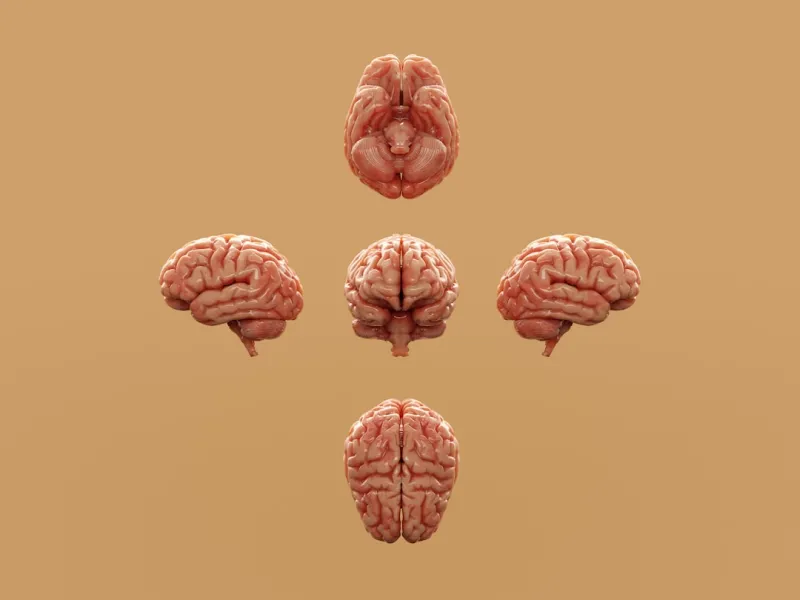
Reframing Brain Health as a Holistic Journey
When I first began exploring the intricate world of cognition, I quickly realized that the brain does not operate in isolation; it thrives in a complex ecosystem of lifestyle, emotion, and environment. From the perspective of a lifelong health enthusiast, the most powerful breakthroughs have come from viewing brain health through a holistic lens, where nutrition, movement, sleep, and mindset intertwine like the threads of a tapestry. This mindset shift has transformed my daily routine, prompting me to ask deeper questions about how each habit either fuels or drains the neural networks that sustain my curiosity and creativity. In the sections that follow, I’ll unpack the science‑backed pillars that support a resilient brain and share practical steps that anyone can adopt, no matter how busy or stressed they feel.
The Gut‑Brain Axis: Feeding the Mind from the Inside Out
Modern neuroscience increasingly confirms that the gut is not merely a digestive conduit but a bustling hub of neurotransmitter production, housing roughly 90% of the body’s serotonin and a diverse microbiome that talks to the brain via the vagus nerve. By nourishing the gut with fiber‑rich vegetables, fermented foods, and polyphenol‑laden berries, we provide the substrates needed for beneficial bacteria to thrive, which in turn modulate mood, focus, and even immune resilience. I first witnessed this connection when I adopted a gut‑friendly regimen and noticed a marked reduction in brain fog and anxiety, a transformation I detail in my post Nurturing Your Inner Garden. The takeaway is simple: a balanced microbiome serves as a natural, biochemical extension of the brain, and protecting it with mindful eating is one of the most accessible neuroprotective strategies we have.
Sleep Architecture: The Silent Architect of Cognitive Longevity
Sleep is the brain’s nightly maintenance crew, clearing metabolic waste through the glymphatic system, consolidating memories, and resetting emotional circuits that govern stress reactivity. Research shows that even a single night of fragmented sleep can impair hippocampal function, reducing the brain’s ability to encode new information and increasing the risk of mood disturbances. In my own experimentation, I shifted from a caffeine‑heavy evening to a ritual of dim lighting, gentle stretches, and a gratitude journal, and the difference was palpable—a sharper focus in the morning and a calmer demeanor throughout the day. For those battling insomnia or night‑time anxieties, I recommend exploring the principles outlined in “When Sleep Terrors Take Over,” which offers a compassionate roadmap for reclaiming restorative rest without reliance on medication.
Movement‑Induced Neurogenesis: Exercising the Brain as Much as the Body
Physical activity does far more than sculpt muscles; it sparks the release of brain‑derived neurotrophic factor (BDNF), a protein that fuels the growth of new neurons and strengthens synaptic connections, particularly in the prefrontal cortex and hippocampus. Both aerobic pursuits, such as brisk walking or cycling, and mindful movement practices like yoga activate distinct neural pathways that enhance executive function, emotional regulation, and creative problem‑solving. My own routine now weaves together three sessions a week of interval cardio with two evenings of flow‑based yoga, a blend that keeps my heart rate elevated while also promoting parasympathetic calm. The emerging “new wave of holistic exercise” has taught me that the optimal workout is one that balances intensity with mindfulness, delivering a double‑dose of physical vigor and mental clarity.
Stress Resilience: Harnessing Calm to Protect Cognitive Function
Chronic stress inundates the brain with cortisol, a hormone that, when persistently elevated, erodes the dendritic branches of neurons and impairs the retrieval of long‑term memories. Counteracting this onslaught requires deliberate practices that shift the autonomic nervous system from a fight‑or‑flight state to a rest‑and‑digest mode. Techniques such as breath‑focused meditation, progressive muscle relaxation, and nature immersion have become daily non‑negotiables for me, each session lasting just five to ten minutes but delivering measurable reductions in perceived stress. For a deeper dive into cultivating mental equilibrium, I invite you to explore Finding Calm in the Chaos, where I outline a step‑by‑step protocol that blends science with personal anecdotes to help readers anchor themselves amidst life’s turbulence.
Social Connection and Purpose: The Brain’s Need for Meaningful Interaction
Humans are wired for connection; social engagement triggers the release of oxytocin and dopamine, neurotransmitters that enhance mood, motivation, and even immune function. Meaningful conversations, shared laughter, and collaborative problem‑solving stimulate the brain’s default mode network, a circuit implicated in self‑reflection and creative insight. In my own experience, joining a local book club and volunteering at community events has not only broadened my perspective but also fortified my neural pathways associated with empathy and executive control. Moreover, having a sense of purpose—whether through a career, hobby, or service—provides a neurochemical buffer against depression and cognitive decline, underscoring the importance of aligning daily actions with deeper values.
Detoxifying Everyday Toxins: Clearing the Path for Clear Thinking
Our modern environment bombards the brain with pollutants, from airborne particulates to heavy metals hidden in processed foods, all of which can compromise blood‑brain barrier integrity and accelerate neuroinflammation. Regular detox practices, such as intermittent fasting, hydration with mineral‑rich water, and the strategic use of antioxidant‑rich herbs like milk thistle and curcumin, support the liver’s ability to filter toxins and the brain’s capacity to repair oxidative damage. I incorporated a weekly “reboot” day—an 18‑hour fast paired with gentle movement and herbal teas—and noticed a surge in mental clarity and reduced brain fog, a transformation I detail in my guide Reboot Your System. By minimizing exposure to synthetic chemicals and supporting the body’s natural cleansing pathways, we create a cleaner internal environment for optimal neural performance.
Targeted Micronutrients: Feeding the Brain with Precision
Beyond macronutrients, the brain relies on a suite of micronutrients—omega‑3 fatty acids, B‑vitamins, magnesium, zinc, and antioxidants like vitamin C and E—to sustain membrane fluidity, neurotransmitter synthesis, and protection against oxidative stress. Deficiencies in these nutrients have been linked to mood disorders, slowed processing speed, and an increased risk of neurodegenerative disease. I now prioritize a diet rich in wild‑caught salmon, leafy greens, nuts, and colorful fruits, while supplementing with a high‑quality fish oil and a methylated B‑complex to bridge any gaps. Regular blood panels help fine‑tune these interventions, ensuring that each mineral and vitamin is present in optimal concentrations to support synaptic plasticity and overall brain vitality.
Aging Gracefully: Preserving Cognitive Reserve Over the Lifespan
The concept of cognitive reserve suggests that a brain fortified with education, complex activities, and healthy habits can better withstand age‑related changes and pathology. Lifelong learning—whether through reading, language acquisition, or musical pursuits—continues to stimulate neurogenesis and strengthen neural networks well into later years. Coupled with the physical, nutritional, and emotional strategies outlined above, this creates a synergistic defense against memory loss and cognitive decline. My own commitment to weekly piano lessons and quarterly deep‑dive courses in philosophy has kept my mind agile, reinforcing the idea that the brain, like a muscle, thrives on consistent, varied challenge.
Putting It All Together: A Holistic Blueprint for Everyday Brain Health
To translate these insights into actionable daily habits, I recommend a three‑phase approach: first, lay the foundation with nutrient‑dense meals, adequate sleep, and regular movement; second, layer stress‑reduction techniques, social engagement, and purposeful activities; third, fine‑tune with periodic detoxes, targeted supplementation, and continuous learning. By treating brain health as an integrated system rather than a collection of isolated fixes, you empower yourself to cultivate lasting resilience, sharper focus, and a more vibrant sense of well‑being. Remember, the journey is personal and iterative—adjust the variables, listen to your body’s feedback, and celebrate each incremental improvement as a milestone toward a brighter, clearer mind.

Related Posts
Unlocking Brain Power: The Surprising Science of Playful Learning
Explore the science behind playful learning, practical strategies to embed fun into daily routines, ... Read More
Neuro‑Design: Crafting Spaces That Supercharge Your Brain
Learn practical neuro‑design strategies—from lighting and greenery to movement zones and digital... Read More

Cultivating Cognitive Gardens: How Green Spaces Sharpen Your Brain
Explore the science behind nature's impact on the brain, learn practical ways to bring green habits ... Read More
Top Posts
Why Your Blood Sugar Needs a Calendar, Not a Calculator
Treat blood sugar like a daily rhythm, not a number. Discover timing, stress, light, and social strategies that keep glucose stable and health thriving....Read More

Unlock Your Body’s Natural Cleanse: A Lymphatic‑Focused Detox Blueprint
A fresh take on detox: empower your lymphatic system with simple daily habits that truly cleanse from the inside out....Read More

Navigating Narcolepsy: A Holistic Journey to Stay Awake and Thrive
A personal guide blending science and holistic living to help you manage narcolepsy, stay alert, and thrive daily....Read More

Fermentation Fundamentals: Crafting a Resilient Gut from Kitchen to Culture
Learn practical fermentation techniques, the power of soil‑based probiotics, and seasonal pairings to build a resilient gut and enhance mood, skin, and immuni...Read More
0 Comments
Post Comment
You will need to Login or Register to comment on this post!