

Why the Infant Microbiome Matters More Than You Think
From the moment a baby takes its first breath, trillions of microscopic allies begin to colonize the gut, shaping immunity, digestion, and even mood. These early bacterial communities act like a living blueprint, influencing how the child responds to allergens, infections, and stress later in life. Parents often overlook this invisible ecosystem, focusing instead on visible milestones like crawling or first words. Yet, nurturing a balanced microbiome can set the stage for a lifetime of health resilience.
The Birth Story: Vaginal vs. Caesarean Delivery
Research shows that babies born vaginally inherit a rich mix of maternal bacteria from the birth canal, while those delivered by C‑section often start with skin‑derived microbes that may take longer to diversify. This initial difference can ripple through the first year, affecting everything from eczema risk to vaccine response. Simple interventions—such as a gentle “vaginal seeding” swab or early skin‑to‑skin contact—can help bridge the microbial gap. Understanding the birth narrative empowers parents to make informed choices that support gut health from day one.
Breastfeeding: Nature’s Probiotic Cocktail
Human milk is more than nutrition; it’s a dynamic blend of prebiotic fibers, live bacteria, and immune‑modulating compounds that feed the infant’s nascent gut flora. Even a few minutes of nursing each day can introduce beneficial bifidobacteria that outcompete harmful strains. For mothers who cannot breastfeed, fortified formulas that mimic these components are a valuable alternative. To deepen your understanding of how responsive care influences overall health, explore Why Listening to Your Baby’s Cues Can Transform Their Health for practical tips.
Skin‑to‑Skin Contact: The First Microbial Hug
Holding a newborn against bare chest does more than comfort—it transfers a unique set of microbes from mother’s skin to baby’s delicate epidermis and gut. This intimate exchange kick‑starts the infant’s immune education, teaching it to differentiate friend from foe. Studies link regular skin‑to‑skin sessions with reduced rates of respiratory infections and smoother digestion. Making this a daily habit, even for a few minutes, is a low‑effort, high‑reward strategy for building a robust microbiome.
Household Ecology: Pets, Cleaners, and Fabric Choices
The environment where a baby sleeps and plays is a silent partner in microbial development. Having a dog or cat introduces diverse, beneficial bacteria that can lower the child’s allergy risk, while overly sterile homes may limit exposure to helpful microbes. Opt for natural cleaning agents—like vinegar and baking soda—instead of harsh chemicals that wipe out both harmful and beneficial organisms. Choosing breathable fabrics such as cotton for bedding further supports a healthy skin barrier, complementing gut health.
Introducing Micro‑Friendly Foods at the Right Time
When babies are ready for solids, start with simple, single‑ingredient purees that are gentle on the gut, such as mashed bananas or steamed carrots. As they grow, you can gradually add fermented foods like yogurt or kefir, which provide live cultures that diversify the intestinal ecosystem. Timing matters: waiting until the infant is at least six months old ensures the digestive system is mature enough to handle these microbes safely. Pair each new food with a moment of calm, allowing the baby’s body to adjust without stress.
Choosing Prebiotic‑Rich Formulas and Supplements
For parents who rely on formula, look for brands that include prebiotic fibers such as galactooligosaccharides (GOS) and fructooligosaccharides (FOS). These compounds act as food for beneficial bacteria, encouraging their growth and activity. Some pediatricians also recommend probiotic drops containing Lactobacillus reuteri, especially for infants struggling with colic or reflux. To see how data‑driven health decisions can streamline daily routines, read From Data to Daily Wins: A Tech‑Savvy Path to Stable Blood Sugar for inspiration.
Daily Microbiome‑Boosting Checklist
- Practice skin‑to‑skin contact for at least 10 minutes each day.
- Offer breast milk or a prebiotic‑rich formula whenever possible.
- Introduce one new, simple solid food per week after six months.
- Maintain a pet‑friendly home, ensuring pets are clean and well‑vaccinated.
- Use natural cleaning products and breathable fabrics in the nursery.
- Consider probiotic drops after consulting a pediatrician.
Long‑Term Payoff: A Healthier Future Starts Now
The effort you invest in cultivating your infant’s microbiome pays dividends that echo throughout childhood and beyond. Children with a diverse gut flora are less prone to allergies, asthma, and even certain metabolic conditions. Moreover, a balanced microbiome supports mental well‑being, linking gut health to mood regulation and cognitive development. By integrating these simple, evidence‑based practices into everyday life, you empower your child with a sturdy internal ecosystem—one that will help them thrive in a world full of challenges.

Related Posts

Designing a Calm Sensory World for Your Newborn
A step‑by‑step guide to shaping a calm sensory environment for newborns, covering lighting, soun... Read More

The Surprising Power of Infant Massage: Building Health, Brain, and Bond
A deep dive into infant massage reveals its impact on immune strength, brain wiring, and emotional c... Read More

Nurturing the Newborn Microbiome: Simple Strategies for Lifelong Health
A deep dive into the infant microbiome, offering actionable tips— from skin‑first care to diet a... Read More
Top Posts
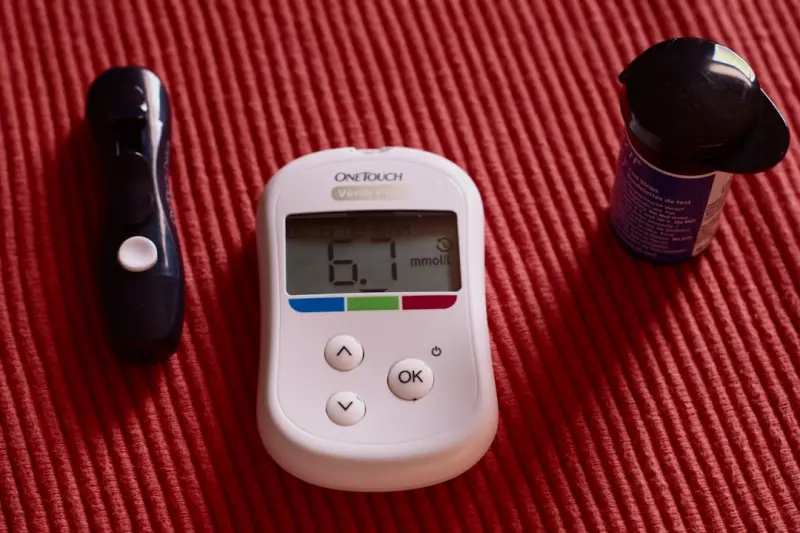
Blood Sugar as a Performance Lever: Timing, Movement, and Environment Hacks
Discover practical strategies to turn blood sugar from a hidden liability into a strategic advantage, using timing, environment tweaks, and movement to maintain...Read More

Curiosity as a Longevity Engine: How Lifelong Learning Rewrites Your Biological Clock
Exploring the hidden link between curiosity, brain health, and aging, this article shows how lifelong learning can reduce stress, enhance cellular resilience, a...Read More

Rewriting the Inner Story: Narrative Shifts for Modern Mental Resilience
Discover how reframing your inner story can reduce stress, boost resilience, and improve well‑being at work and home by using simple narrative‑shifting prac...Read More

Rethinking Menstrual Wellness Through Personal Data
A data‑driven guide shows women how to sync food, movement, and work habits with their hormonal cycle, turning monthly fluctuations into a strategic advantage...Read More
0 Comments
Post Comment
You will need to Login or Register to comment on this post!