
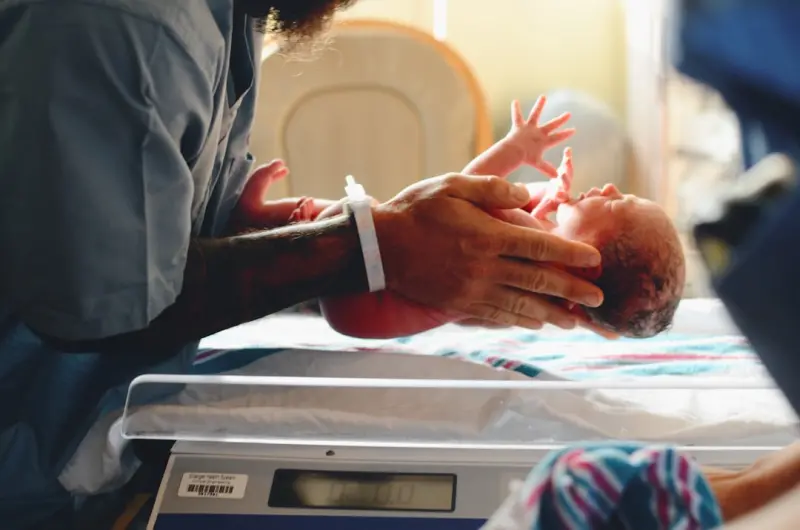
When I first cradled my niece, I was struck by how fragile and powerful those tiny bodies truly are. Every giggle, every sigh, every skin-to-skin moment feels like a tiny data point in a massive, lifelong health algorithm. While we often focus on nutrition, sleep, and vaccination schedules, there’s an invisible ecosystem on a baby’s skin and gut that quietly orchestrates immune resilience, brain development, and even mood regulation. This ecosystem—the infant microbiome—is the newest frontier in infant health, and it’s one we can nurture from day one.
What Is the Infant Microbiome, Anyway?
The term “microbiome” refers to the community of bacteria, fungi, viruses, and other microbes that call our bodies home. In newborns, the microbiome begins to assemble the moment they pass through the birth canal or encounter the world’s first few breaths of air. This microbial mosaic populates the skin, the oral cavity, and the gut, each niche playing a distinct role in shaping the child’s developing immune system.
Scientists now understand that a diverse, balanced microbiome acts like a living vaccine, teaching the immune system to distinguish friend from foe. When that balance is disrupted—by antibiotics, overly sterile environments, or a lack of microbial exposure—children may be at higher risk for allergies, eczema, asthma, and even neurodevelopmental challenges.
Why Timing Matters: The First 1000 Days
The window from conception through the child’s second birthday is often called the “first 1000 days.” During this period, the microbiome’s composition is especially malleable, and the signals it sends can have lasting effects on metabolism, cognition, and emotional regulation. Think of it as a formative concert where each microbial note contributes to the symphony of health that will play out for decades.
Because the microbiome’s architecture is set so early, the choices we make in those months—what we feed, what we expose our infants to, how we manage stress—can tip the scales toward a thriving, resilient system or an imbalanced one that struggles later in life.
Skin‑First Care: A Gateway to Microbial Harmony
One of the most underappreciated aspects of infant health is skin care. The skin is the largest organ and the first line of defense against environmental toxins. A gentle, microbiome‑friendly approach to bathing and moisturization can preserve the skin’s native bacteria, which act as a barrier against pathogens.
When you choose fragrance‑free, hypoallergenic cleansers, you’re not just avoiding irritation; you’re allowing the skin’s natural microbes to flourish. These microbes produce antimicrobial peptides that keep harmful invaders at bay while communicating with the gut microbiome through the gut‑skin axis.
For those curious about broader detox strategies, Sweat the Small Stuff offers insights into how skin‑first detox can boost overall vitality—an approach that dovetails nicely with nurturing an infant’s skin microbiome.
Feeding the Microbiome: Beyond Breast Milk
Breast milk is a powerhouse of prebiotics, antibodies, and live bacteria that seed the infant gut. However, even breastfed babies benefit from a varied diet as they transition to solids. Introducing a rainbow of fiber‑rich vegetables, fruits, and whole grains encourages the growth of beneficial Bifidobacteria and Lactobacilli.
Fermented foods—such as plain yogurt or kefir—can also be introduced around six months, provided they’re age‑appropriate and free from added sugars. These foods deliver live cultures that help diversify the gut microbiome, strengthening the gut barrier and reducing inflammation.
The Role of Probiotics and Prebiotics
While a balanced diet is the gold standard, targeted probiotic supplements can be useful, especially after a course of antibiotics. Look for strains like Bifidobacterium infantis and Lactobacillus reuteri, which have been studied in infants for their role in reducing colic and supporting immune function.
Prebiotic fibers—such as galacto‑oligosaccharides (GOS) and fructo‑oligosaccharides (FOS)—feed these good bacteria, acting as fertilizer for the microbial garden. Many infant formulas now incorporate prebiotic blends to mimic some of breast milk’s benefits.
Environmental Exposure: The Good, the Bad, and the Balanced
Modern parenting often leans toward ultra‑clean environments, but excessive sterility can hinder microbial diversity. Simple practices like allowing safe outdoor play, letting babies explore natural textures (grass, sand, wood), and even spending time with pets can introduce beneficial microbes.
That said, not all exposure is beneficial. Air pollutants, household chemicals, and synthetic fragrances can disrupt the infant microbiome. Choosing low‑VOC cleaning products and limiting the use of air fresheners helps maintain a healthier microbial environment.
Stress, Sleep, and Microbiome Crosstalk
Stress isn’t just an adult concern. Babies experience stress through loud noises, irregular routines, and even parental anxiety. Elevated cortisol levels can alter gut permeability, leading to dysbiosis (microbial imbalance). Establishing calm bedtime rituals—soft lighting, gentle music, and skin‑to‑skin contact—supports both sleep quality and microbiome health.
If you’re interested in how subtle environmental factors influence health, check out The Hidden Climate of Your Office. The principles of light, temperature, and sound apply equally to a nursery, where a soothing atmosphere can foster microbial harmony.
Antibiotic Stewardship: A Double‑Edged Sword
Antibiotics are life‑saving when used appropriately, but they’re also blunt instruments that wipe out both harmful and beneficial bacteria. For infants, unnecessary antibiotic exposure can have lasting consequences, including increased risk of obesity, asthma, and allergic disease.
When an antibiotic is prescribed, discuss with your pediatrician the possibility of pairing it with a probiotic to mitigate gut disruption. Also, consider asking about the specific indication—sometimes a watchful waiting approach is safe and avoids unnecessary microbial upheaval.
Creating a Microbiome‑Friendly Routine
- Day 1–30: Prioritize skin‑to‑skin contact, use fragrance‑free cleansers, and breastfeed if possible.
- Month 2–6: Introduce varied textures during play, limit exposure to synthetic chemicals, and maintain a consistent sleep schedule.
- Month 6–12: Start solid foods with high‑fiber fruits and vegetables, add age‑appropriate fermented foods, and consider a probiotic supplement if antibiotics were used.
- Beyond 12 months: Continue a diverse diet, encourage outdoor exploration, and practice mindful stress‑reduction techniques for the whole family.
Monitoring Microbiome Health: What to Look For
While we don’t yet have at‑home microbiome testing kits that are clinically validated for infants, there are observable signs that can hint at microbial balance:
- Regular bowel movements: Soft, formed stools indicate good gut activity.
- Skin health: Fewer rashes and less eczema suggest a healthy skin microbiome.
- Growth patterns: Steady weight gain and development milestones.
- Sleep quality: Consistent, restful sleep often reflects balanced gut‑brain signaling.
If you notice persistent issues—such as chronic constipation, recurrent infections, or severe eczema—consult a pediatric gastroenterologist or a functional medicine practitioner who understands the microbiome’s role.
Future Directions: Microbiome‑Based Therapies
Research is rapidly advancing toward microbiome‑targeted interventions, from bacteriophage therapies that selectively eliminate harmful strains to fecal microbiota transplants (FMT) for severe dysbiosis. While these are still experimental for infants, they illustrate the potential of a microbiome‑centric approach to pediatric health.
In the coming years, we may see personalized probiotic formulations based on a child’s specific microbial profile, turning today’s “one‑size‑fits‑all” supplements into precision tools for optimal health.
Putting It All Together: A Practical Checklist
Below is a concise, actionable checklist you can start using today to nurture your infant’s microbiome:
- Use fragrance‑free, hypoallergenic body washes and moisturizers.
- Prioritize skin‑to‑skin contact in the first weeks.
- Breastfeed or use formula enriched with prebiotics whenever possible.
- Introduce a variety of high‑fiber foods once solid foods begin.
- Incorporate fermented foods (plain yogurt, kefir) after six months.
- Allow safe outdoor play and interaction with pets.
- Maintain a calm, consistent sleep routine with low lighting and gentle sounds.
- Choose low‑VOC cleaning products and limit synthetic fragrances.
- Discuss probiotic use with your pediatrician, especially after antibiotics.
- Observe your baby’s bowel habits, skin condition, and sleep patterns for signs of balance.
By weaving these practices into daily life, you’re not just caring for a baby’s immediate needs—you’re laying the groundwork for a robust immune system, a resilient gut, and a calmer, happier child.
Remember, the infant microbiome is a living, evolving partnership. Treat it with respect, feed it wisely, and watch your little one flourish with a health foundation that will serve them for a lifetime.

Jessica Hall is a dynamic freelance writer based in the vibrant city of London, Ontario. As a dedicated single mom, she expertly juggles the demands of parenthood with her passion for storytelling, crafting compelling narratives that resonate with readers. With a background in retail, Jessica brings a unique perspective to her writing, infusing her work with insights drawn from her experiences
Related Posts

Nurturing Your Baby’s Invisible Ally: Everyday Strategies for a Healthy Microbiome
Explore easy, daily actions that nurture your infant’s microbiome, building a stronger immune syst... Read More

Sunlit Beginnings: Shaping Your Baby’s Natural Clock for Lifelong Wellness
Learn why sunlight and consistent lighting patterns are crucial for a baby’s developing circadian ... Read More

Gentle Beginnings: How Tiny Rituals Shape Big Infant Health Futures
A deep dive into simple, evidence‑based daily rituals—skin‑to‑skin contact, mindful feeding,... Read More
Top Posts

Untangling Sleep Terrors: A Personal Blueprint for Calm Nights
Becky Putman shares her journey through sleep terrors, offering actionable strategies—from breathing techniques and nutrition to creative reframing—to help ...Read More
Turning Prediabetes Into a Competitive Edge: Small Wins for Big Metabolic Gains
Prediabetes can be a strategic health dashboard rather than a threat. Discover five actionable tactics—micro‑movement bursts, habit stacking, community stor...Read More

Quiet Power: Simple Choices to Lower Blood Pressure
Explore mindful breathing, herb‑rich meals, community walks, and subtle environmental tweaks that together create a quieter, healthier pulse....Read More

Trending Body Detox: Kelly Reynolds’ Fresh Take on Resetting Your System
Kelly Reynolds shares a modern, science‑backed detox roadmap, blending nutrition, movement, and mindset to cleanse and energize your body in just a week....Read More
0 Comments
Post Comment
You will need to Login or Register to comment on this post!