

Why Numbers Matter More Than Calories
When I first started tracking my own glucose levels, I quickly realized that the traditional “count‑the‑calories” mantra was only half the story. Numbers from a continuous glucose monitor (CGM) painted a vivid, real‑time picture of how my body responded to stress, sleep, and even the color of my shirt. That data‑driven insight forced me to ask deeper questions about timing, mindset, and community influence—questions that no diet book could answer on its own. By treating blood‑sugar control as a dynamic system rather than a static diet, I opened the door to sustainable, everyday victories.
The Game‑Changing Lens of Continuous Glucose Monitors
A CGM is more than a medical gadget; it’s a personal analytics dashboard that translates biochemical spikes into visual trends you can act on instantly. When I noticed a sudden post‑lunch surge, I could trace it back to a hidden caffeine dose in my iced tea, not just the carbs on my plate. The key is learning to read the graphs with curiosity rather than fear, recognizing that a single spike is a data point, not a verdict. Over weeks, these patterns become a map of your body’s unique rhythm, empowering you to fine‑tune meals, movement, and mindset with surgical precision.
Smartphone Apps: Turning Data Into Predictive Power
Modern health apps now sync directly with CGMs, delivering predictive alerts that warn you before a glucose dip or spike occurs. By setting personalized thresholds, the app can nudge you to stretch, sip water, or grab a balanced snack before your levels swing out of range. This proactive approach shifts the experience from reactive “oh no, I’m crashing” to proactive “I’m steering my health”. I’ve also started tagging meals with photos and notes, letting the app spot hidden culprits like late‑night stress eating or a salty snack that usually goes unnoticed.
Community Accountability: The Hidden Engine of Consistency
Sharing your glucose trends with a trusted group can amplify motivation and provide real‑time troubleshooting. I joined an online cohort where members post daily snapshots of their CGM graphs, celebrate small wins, and offer suggestions when a trend looks off. The social pressure to stay honest, combined with the collective wisdom of peers who have faced similar spikes, creates a safety net that diet‑alone rarely provides. This sense of belonging turns solitary monitoring into a collaborative journey toward steadier sugar.
Stress‑Busting Breathwork: Quieting the Hormonal Rollercoaster
Stress hormones like cortisol are silent saboteurs that can send glucose soaring even when you haven’t eaten. Simple breathwork—four‑seven‑eight breathing or box breathing—activates the parasympathetic nervous system, lowering cortisol and smoothing out the glucose curve. I set a reminder to pause for three minutes after every stressful phone call, and the CGM immediately shows a flatter line compared to before. Pairing these micro‑breaks with a quick stretch or a moment of gratitude creates a feedback loop where calmness directly translates into metabolic stability.
Chrononutrition: Aligning Meals With Your Body’s Clock
Our bodies follow a circadian rhythm that dictates hormone release, digestion efficiency, and insulin sensitivity. Eating the bulk of your calories earlier in the day leverages the natural peak in insulin response, reducing the likelihood of late‑night spikes. I experimented with a “front‑loaded” plate—protein‑rich breakfast, moderate lunch, and a light, low‑glycemic dinner—and watched my overnight glucose dip stay within the optimal range. For those who struggle with early meals, even a modest shift of 30 minutes earlier can produce measurable improvements.
Micro‑Movement: The Power of Frequent, Small Bursts
Instead of relying solely on long gym sessions, I incorporated micro‑movement throughout the day: a five‑minute walk after meals, a set of stair climbs between meetings, or a quick desk‑side stretch. These brief spikes in muscle activity boost glucose uptake without depleting energy stores, flattening the post‑meal curve. Over a week, the cumulative effect of these tiny bouts added up to a noticeable reduction in overall variability, proving that consistency beats intensity when it comes to blood‑sugar harmony.
Putting It All Together: A 7‑Day Action Blueprint
Start by pairing your CGM with a compatible app and set up personalized alerts. Day 1: log every meal and note stress triggers; Day 2: share your first CGM snapshot in a community group; Day 3: add three minutes of breathwork after each stressful event; Day 4: shift dinner 30 minutes earlier and track the impact; Day 5: introduce a five‑minute post‑lunch walk; Day 6: review weekly patterns and adjust thresholds; Day 7: celebrate a stable glucose week and plan the next cycle. By weaving technology, community, mindfulness, and movement into a single routine, you create a resilient system that keeps blood sugar steady without sacrificing life’s pleasures.

Lifan Chen is a freelancer based in Toronto specializing in marketing. With expertise in crafting effective marketing strategies and campaigns, Lifan helps businesses grow their brand presence and reach target audiences. As a Toronto-based freelancer, Lifan combines local market insights with creative marketing skills to deliver tailored solutions for clients.
Related Posts

Blood Sugar as a Decision Engine: Real‑Time Data for Executive Edge
Treat glucose as a live decision engine: learn to use continuous monitoring, timing of protein‑ric... Read More
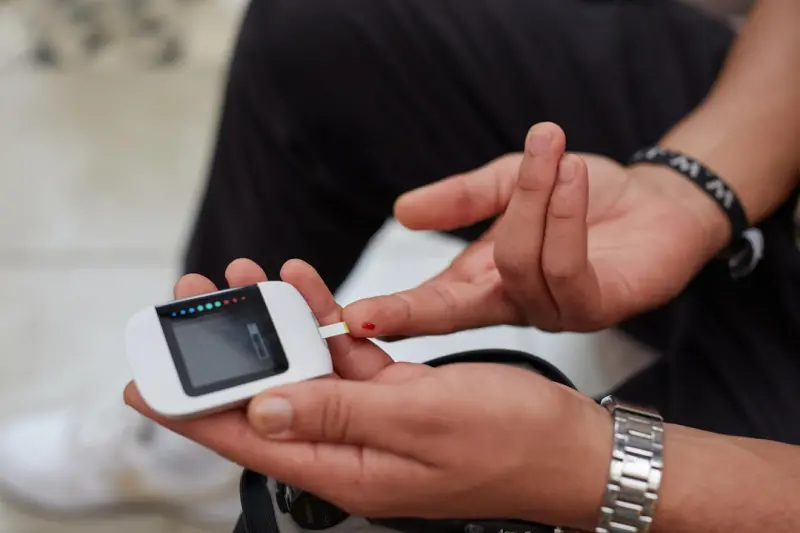
Glucose Guardian: Tiny Daily Actions that Stabilize Blood Sugar Without a Diet Overhaul
Learn the three‑part “Glucose Guardian” system that blends fiber‑first meals, post‑meal wa... Read More
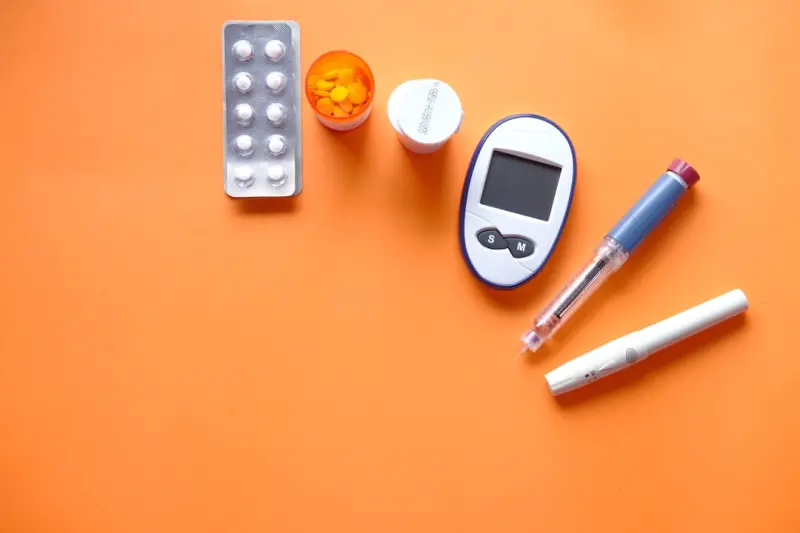
Balancing Blood Sugar to Beat Decision Fatigue and Sharpen Executive Judgment
Discover a fresh approach to blood sugar management that targets decision fatigue. Learn actionable ... Read More
Top Posts
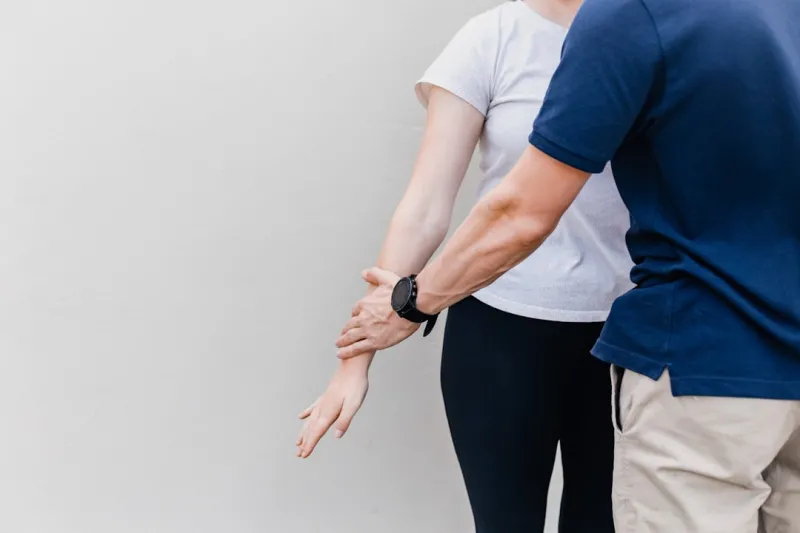
How Holistic Physiotherapy Transforms Everyday Life
I share my journey of turning physiotherapy into daily wellness, blending movement, breath, and mindful habits to empower bodies and minds for lasting health....Read More

When the Night’s Shadows Spark Unexpected Light
Sleep terrors are more than frightening moments; they can reveal hidden stress, boost creativity, and guide lifestyle tweaks. This article unpacks the brain’s...Read More

Social Sync: How Shared Habits Can Quiet Your Blood Pressure
Learn to manage blood pressure through community support, habit stacking, gamified tracking, and intentional food pairings, turning everyday moments into powerf...Read More

Beyond Diapers: Building a Resilient Immune Foundation in the First Six Months
Discover evidence‑backed habits—skin‑to‑skin time, responsive feeding, soothing sounds, gentle movement, and mindful use of technology—to strengthen y...Read More
0 Comments
Post Comment
You will need to Login or Register to comment on this post!