

When I first cradled my newborn, the world seemed to shrink to the rhythm of his tiny breaths and the soft flutter of his eyelids; I quickly realized that the most profound guidance I would receive didn’t come from books or pediatric newsletters, but from the subtle, almost imperceptible cues that his body sent me every hour of the day. Those cues—whether a fleeting grimace, a sudden shift in his grip, or the way his skin flushed with a delicate pink—became a language of their own, teaching me that infant health is less about rigid schedules and more about responsive, attuned caregiving that honors a baby’s innate wisdom. In this article I’ll share how listening deeply to those signals can reshape a child’s immunity, gut balance, and emotional resilience, offering practical steps that feel both nurturing and scientifically grounded.
The Myth of One‑Size‑Fits‑All Care
For decades the prevailing narrative in infant care has been built on universal checklists: feed every three hours, swaddle tightly, keep the environment temperature‑controlled, and follow a strict sleep routine, all under the assumption that uniformity guarantees safety and growth. Yet emerging research and countless parental testimonies reveal that this one‑size‑fits‑all approach often ignores the nuanced ways each baby’s physiological systems communicate stress, comfort, or need for stimulation, leading to unnecessary fussiness, digestive upset, or even heightened anxiety in both child and caregiver. By shifting the focus from imposing external timelines to observing internal rhythms, parents can better align feeding, soothing, and sleep practices with the baby’s own evolving patterns, fostering a sense of security that supports the developing nervous system and reduces the cascade of hormonal stress responses that can impede healthy development.
One vivid example that changed my perspective was the moment my son rejected a bottle after a long nap, not because he was full, but because his stomach was still processing the previous feed, a sign his gut was signaling a need for a longer digestion window; instead of forcing a feeding schedule, I learned to watch his cues—softening his gaze, the way his hands opened and closed, and the subtle sighs that indicated readiness—allowing his natural hunger signals to guide our routine. This intuitive method not only reduced his colic episodes but also seemed to strengthen his immune response, as he fell ill less frequently and recovered more swiftly, suggesting that respecting the infant’s internal clock may have downstream effects on overall health. By embracing this flexible, cue‑driven approach, families can cultivate a calmer household, reduce parental stress, and lay the groundwork for a resilient immune system that thrives on consistency with the child’s own biological timetable.
Skin Microbiome: The First Frontier of Defense
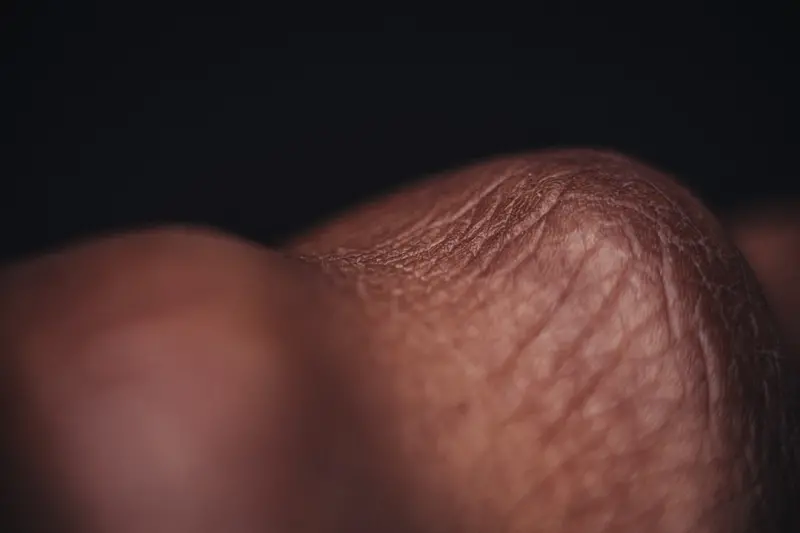
Beyond feeding and sleep, the infant’s skin serves as a living, breathing ecosystem, populated by a diverse community of microbes that act as a first line of defense against pathogens, and recent studies illustrate how early exposure to a balanced skin microbiome can dramatically influence long‑term immune function and even allergy susceptibility. When a baby’s skin is gently cleansed with water‑only methods, or when parents opt for fragrance‑free, probiotic‑infused lotions, they encourage the growth of beneficial bacteria such as Staphylococcus epidermidis, which competes with harmful microbes and educates the immune system to respond appropriately rather than overreact, a key factor in preventing conditions like eczema and food sensitivities. Moreover, the act of skin‑to‑skin contact—whether through breastfeeding, cuddling, or infant massage—transfers maternal microbes, enriching the infant’s microbial palette and fostering a symbiotic relationship that supports gut health and systemic immunity.
In my own experience, incorporating a brief, daily massage with a gentle, microbiome‑friendly oil not only soothed my baby’s occasional crankiness but also seemed to strengthen his skin barrier, reducing redness and the frequency of diaper rash; this simple ritual became a cornerstone of our bonding time, reinforcing the notion that tactile interaction is as vital to microbial health as it is to emotional connection. For parents seeking evidence‑based guidance, resources such as home rehab technologies illustrate how innovative tools can monitor skin health and provide feedback, though the core principle remains timeless: respect the baby’s natural microbial environment and nurture it with mindful, low‑impact practices that avoid harsh chemicals and over‑cleansing.
Infant Massage: A Dual Pathway to Physical and Emotional Well‑Being
Infant massage, a practice rooted in ancient traditions and now validated by modern science, offers a unique avenue to simultaneously stimulate the nervous system, enhance digestion, and deepen the parent‑child bond, creating a holistic health boost that transcends the physical realm. By applying gentle, rhythmic strokes along the limbs, abdomen, and back, caregivers can activate the vagus nerve, which in turn promotes parasympathetic activity, reduces cortisol levels, and improves bowel motility—effects that are especially valuable for babies prone to colic or reflux; the rhythmic motion also mirrors the comforting sensations felt in the womb, providing a familiar sense of safety that calms the infant’s central nervous system.
Beyond the physiological advantages, the act of massage cultivates attunement, teaching parents to read micro‑expressions and adjust pressure and tempo in real time, thereby sharpening intuitive caregiving skills that translate into more responsive feeding and soothing strategies later on. My routine of a ten‑minute evening massage became a predictable cue for my son’s transition to sleep, decreasing his nighttime awakenings and fostering a more stable circadian rhythm, which research links to stronger immune responses and better mood regulation as the child grows. For families interested in structured guidance, programs that blend tactile techniques with mindfulness—such as those explored in women’s health discussions—provide a roadmap for integrating massage into daily life without feeling overwhelmed.
Trusting Parental Intuition: The Underappreciated Skill
While data and guidelines are indispensable, the subtle art of parental intuition—often dismissed as “mommy brain” or “gut feeling”—plays a critical role in recognizing early warning signs that may elude clinical checklists, such as a slight change in a baby’s cry pitch indicating discomfort or a minor shift in eye contact suggesting overstimulation. Cultivating this intuition involves intentionally slowing down, observing without judgment, and reflecting on the emotional resonance of each interaction, thereby building a feedback loop where the caregiver’s confidence grows in tandem with the infant’s responsiveness. When parents honor these instincts, they are more likely to intervene promptly—whether by adjusting room lighting, offering a different feeding position, or simply holding the baby longer—actions that can prevent minor irritations from escalating into chronic issues like sleep disturbances or feeding aversions.
My own journey taught me that the moment I stopped relying solely on the pediatrician’s schedule and began trusting the gentle tug of my baby’s hand as a signal for a feeding break, his overall demeanor shifted dramatically, showing fewer signs of fatigue and a brighter, more engaged curiosity during playtime. This attunement also encouraged my partner to share in the caregiving, reinforcing the family’s collective confidence and reducing the isolation often felt by primary caregivers. Embracing intuition does not mean discarding professional advice; rather, it complements it by adding a personalized layer of observation that respects the child’s unique developmental trajectory, ultimately fostering a healthier, happier household.
Practical Steps to Implement a Cue‑Based Care Routine
To translate these insights into everyday practice, start by designating a “observation window” each day—a fifteen‑minute period where screens are set aside, the environment is softened, and the sole focus is on watching the baby’s movements, facial expressions, and breathing patterns without intervening unless a clear need arises. During this window, note recurring signals such as the timing of sighs before feeding, the consistency of hand‑to‑mouth motions indicating hunger, or the frequency of tummy rubs that precede a calm state; recording these observations in a simple journal helps identify patterns over time, enabling caregivers to predict and meet needs before distress escalates. Next, incorporate a brief, consistent massage routine after bath time, using a hypoallergenic, microbiome‑friendly oil, and follow a sequence that starts with the limbs, moves to the torso, and concludes with gentle strokes on the back, creating a predictable soothing ritual that signals safety and prepares the infant for sleep.
Finally, maintain a balanced approach to hygiene by opting for water‑only cleanses for the first weeks, reserving mild, fragrance‑free cleansers for later, and allowing the baby’s skin to breathe by limiting the use of tight diapers and clothing that trap moisture; this supports a healthy skin microbiome and reduces the risk of irritant dermatitis. Pair these practices with regular, low‑stress check‑ins with your pediatrician to ensure developmental milestones are met, but remember that the nuanced, day‑to‑day cues you learn to read are often the most powerful indicators of your child’s well‑being. By weaving observation, gentle touch, and mindful hygiene into a cohesive routine, families can nurture an environment where infant health thrives on both scientific foundations and the profound, instinctual connection between caregiver and child.

Kelly Reynolds is a dynamic freelance writer hailing from the picturesque landscapes of Alberta. A master of the written word, she juggles her passion for storytelling with the exhilarating chaos of being a mother to five spirited children. With an impressive portfolio that spans various genres, Kelly captivates readers through her engaging blog posts and thought-provoking articles.
Related Posts

The Gentle Power of Infant Massage: Boosting Brain, Digestion, and Bonding
A deep dive into the science and practice of infant massage, revealing its impact on neural growth, ... Read More
How Skin-to-Skin Contact Shapes Your Baby’s Immune System
Skin‑to‑skin contact, often called kangaroo care, does more than soothe; it transfers beneficial... Read More

Calming Aromas: How Natural Scents Support Infant Health and Development
Explore the science behind scent and infant development, learn safe aroma choices, and integrate sim... Read More
Top Posts

Neural Timing Hacks for Stable Blood Sugar
Learn how aligning meal timing, micro‑stress management, and simple neural cues can stabilize glucose levels naturally, using data‑driven insights and pract...Read More

Turning City Streets into a Personal Fitness Lab
Learn how to transform sidewalks, stairs, and parks into a personal fitness laboratory, boosting movement variety, mental clarity, and community connection with...Read More

Mental Health in the Modern World: Breaking Down Barriers
Mental health is a critical component of our overall well-being. Learn how to prioritize mental health, break down barriers, and create a supportive environment...Read More

Quiet Pressure: Harnessing Breath, Rhythm, and Environment to Tame Hypertension
Learn practical, low‑effort strategies—diaphragmatic breathing, brief movement bursts, and environmental tweaks—to gently reduce hypertension and support ...Read More
0 Comments
Post Comment
You will need to Login or Register to comment on this post!