
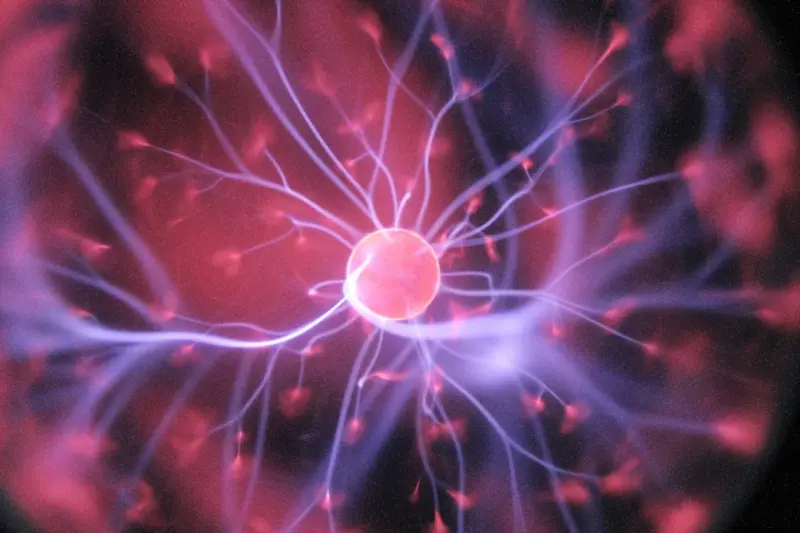
Why Your Brain Needs a Daily Workout
When most people think about fitness, they picture a treadmill, a set of dumbbells, or a spin class. The brain, however, is a muscle of a different kind—one that thrives on novelty, challenge, and deliberate practice. Just as you wouldn’t skip leg day, you shouldn’t skip “neuro day.” This post dives into neurobics, a collection of simple, science‑backed actions that keep your gray matter sharp, resilient, and ready for whatever life throws at you.
The Science Behind Neurobics
The term “neurobics” was coined by neurologist Dr. Lawrence Katz and psychologist Manning Rubin in the early 2000s. Their premise? The brain’s plasticity—its ability to rewire itself—depends on the variety of stimuli it receives. When you repeatedly take the same route to work, eat the same breakfast, or use the same keyboard shortcuts, you’re reinforcing established neural pathways while leaving others under‑developed.
Research from the University of California, Irvine, shows that novelty triggers the release of brain‑derived neurotrophic factor (BDNF), a protein that promotes the growth of new neurons and strengthens synaptic connections. BDNF is the biochemical equivalent of fertilizer for your mental garden.
Neurobics leverages this principle by encouraging you to inject small, unexpected twists into everyday routines. The result? A brain that stays flexible, improves memory retention, and even boosts mood.
Five Neurobic Practices You Can Start Today
- Switch Hand Dominance. Try brushing your teeth, eating, or scrolling on your phone with the opposite hand. This simple switch forces the brain to recruit under‑used motor cortex regions, sharpening coordination and attention.
- Alter Your Commute. If you drive, park two spots farther away. If you walk, take a different street. Changing the visual and spatial cues challenges the hippocampus, the region responsible for spatial memory.
- Talk to Yourself Out Loud. Summarize a meeting, recite a grocery list, or rehearse a presentation in the mirror. Auditory feedback engages both language centers and working memory.
- Engage Multiple Senses Simultaneously. While cooking, focus on the sizzle of the pan, the aroma of herbs, and the color of the vegetables. Multisensory integration boosts the brain’s ability to form richer, more durable memories.
- Learn a Tiny Skill Each Week. It could be a new chord on a ukulele, a basic sign language phrase, or a simple magic trick. Mastering micro‑skills activates the reward circuitry and reinforces neural pathways linked to learning.
Neurobics Meets Storytelling
One of the most effective ways to deepen neurobic impact is by weaving narrative into the practice. When you explore storytelling as a mental health superpower, you discover that stories act as scaffolding for complex ideas. By turning a neurobic exercise into a mini‑story—“I’m the explorer navigating an unfamiliar alley to find the hidden coffee shop”—you give your brain a contextual hook that makes the activity more memorable.
Stories also trigger the brain’s default mode network, a set of regions that light up during imagination and future planning. This activation is linked to increased creativity and problem‑solving ability. So, the next time you practice a neurobic, frame it as an episode in your personal adventure series.
Cold Exposure: A Surprising Ally for Cognitive Sharpness
While neurobics are primarily mental exercises, the body’s physiological state plays a massive role in how efficiently the brain processes information. Cold exposure—think a brisk shower or a quick dip in an ice bath—has been shown to improve alertness, reduce inflammation, and even increase BDNF levels.
Research highlighted in Cold Exposure Therapy demonstrates that short, controlled bursts of cold stimulate the sympathetic nervous system, sharpening focus and heightening mental clarity for up to an hour afterward. Pair a cold splash with a neurobic task, like writing a brief story with your non‑dominant hand, and you’ll experience a double‑boost to neural activation.
Neurobics for Professionals: Turning Office Hours into Brain‑Boosting Sessions
Most corporate wellness programs focus on ergonomics, stress reduction, or cardio breaks. Neurobics can seamlessly integrate into a typical workday without demanding extra time:
- Keyboard Shuffle. Alternate typing with your left hand for a minute each hour. This tiny motor challenge improves bilateral brain coordination.
- Meeting Mnemonics. After each meeting, summarize the key points using a rhyming couplet or a visual metaphor. The act of encoding information in a novel format solidifies retention.
- Desk‑side Stretch. While stretching, close your eyes and visualize the muscle fibers lengthening. This mind‑body connection reinforces proprioceptive pathways.
These micro‑habits not only keep the brain engaged but also break the monotony that often leads to burnout.
Neurobics for Seniors: Keeping the Mind Agile
Age‑related cognitive decline is not inevitable. Neurobics offers a low‑impact, high‑reward strategy for older adults. Studies from the University of Texas Health Science Center show that seniors who engage in novel motor tasks—like juggling soft balls or learning a new dance step—experience measurable improvements in executive function and processing speed.
Pairing these activities with social interaction, such as group neurobic classes at community centers, multiplies the benefits. The shared experience triggers oxytocin release, which supports memory consolidation.
Measuring Your Neurobic Progress
Quantifying brain health can feel intangible, but a few simple metrics can give you a sense of progress:
- Reaction Time Apps. Use free smartphone tools that measure how quickly you respond to visual or auditory prompts. A steady improvement over weeks signals faster neural processing.
- Recall Tests. After reading an article, close it and write a summary without looking back. Track the number of accurate details you retain.
- Mood Journals. Note how you feel before and after a neurobic session. Many people report heightened positivity and reduced mental fatigue.
Integrating Nutrition for Maximum Neurobic Effect
While the focus of this article is on behavioral tricks, it’s worth mentioning that certain nutrients act as fuel for neuroplasticity. Omega‑3 fatty acids, found in fatty fish and flaxseeds, are essential for membrane fluidity, which supports signal transmission between neurons. Antioxidant‑rich berries combat oxidative stress, preserving the integrity of synaptic connections.
Combine a brain‑healthy diet with your neurobic routine, and you’ll create a synergistic environment where both lifestyle and nutrition reinforce each other.
Creating Your Personal Neurobic Playbook
Start simple. Choose one or two neurobic practices and commit to them for a week. Track your reaction times, recall scores, and mood shifts. After 14 days, add another activity. Over a month, you’ll have a personalized arsenal of mental workouts that feel less like chores and more like playful experiments.
Remember: consistency beats intensity. A five‑minute daily neurobic habit will outperform a 30‑minute session once a month.
Conclusion: Your Brain Deserves a Workout Plan Too
We spend countless hours optimizing our physical health—gym memberships, personal trainers, nutrition plans. Yet, the brain often remains an afterthought. Neurobics flips that script by showing that mental fitness can be woven into the fabric of everyday life, without expensive gadgets or massive time commitments.
Start with a single switch—maybe brushing your teeth with the left hand or taking a cold shower before a brainstorming session. Notice the spark of novelty, the surge of focus, and the lingering sense of accomplishment. Then, keep building. Over weeks and months, those tiny tweaks compound into a resilient, adaptable mind ready to tackle any challenge.

Craig Brett is a freelancer with a passion for the outdoors. His love for nature inspires his work, bringing authentic and engaging perspectives to projects related to outdoor activities, adventure, and environmental topics.
Related Posts
Unlocking the Power of Intentional Daydreaming for Brain Vitality
Discover the science behind structured day‑dreaming, a low‑effort practice that enhances problem... Read More
Holistic Strategies to Boost Brain Health and Cognitive Vitality
Explore a holistic blueprint for brain health, covering nutrition, sleep, movement, stress managemen... Read More

Unlocking Brain Power: The Playful Path to Cognitive Longevity
Explore simple, fun habits—like doodling, dancing, and fermenting foods—that unlock neuroplastic... Read More
Top Posts

Why Scheduled Mental Rest Is the Missing Piece in Your Wellness Puzzle
Explore a fresh approach to mental health by scheduling purposeful rest periods. Learn practical techniques, tracking methods, and how to make rest a core habit...Read More

Nurturing Your Liver: Everyday Practices for Long‑Term Vitality
Discover how consistent hydration, fermented foods, stress‑reduction rituals, and smart tracking can transform liver health, boosting metabolism and overall w...Read More

When Exercise Becomes Your Brain’s Playground
Discover how framing exercise as a series of playful, short “Movement Curiosity Sessions” can boost creativity, improve focus, and enhance overall well‑be...Read More
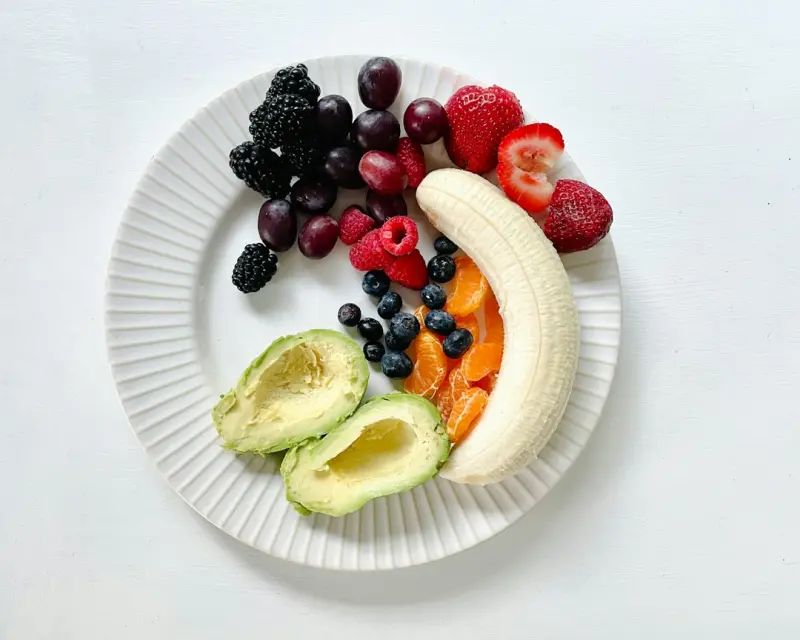
Seasonal Food Synergy: Aligning Your Plate with Nature’s Calendar for Better Health
Eating with the seasons provides a natural boost to immunity, mood, and energy. Learn practical tips, nutrient guides, and the science behind seasonal food syne...Read More
0 Comments
Post Comment
You will need to Login or Register to comment on this post!