
The Playful Brain: Harnessing Creativity for Cognitive Longevity
When I first swapped my nightly scrolling habit for a sketchpad, I didn’t realize I was stepping into a quiet laboratory where my own neurons were rehearsing a new choreography, and that revelation sparked a month‑long experiment that reshaped my understanding of brain health; the simple act of drawing, humming, or even rearranging kitchen spices became a deliberate invitation for my cortex to rewrite its own script, and the ripple effects were palpable in my focus, mood, and memory recall. I quickly learned that the brain, much like a garden, thrives on varied stimuli, and the more unexpected the input, the richer the bloom of synaptic connections, a principle that aligns with the emerging field of neuroplasticity through play. In this article I’ll walk you through the science, share actionable rituals, and reveal how a playful mindset can become your most potent neuro‑defense strategy.
Neuroplasticity, once thought to be confined to childhood, is now recognized as a lifelong capacity that can be amplified through novelty, challenge, and emotional engagement, and the most compelling evidence comes from studies where participants who engaged in regular creative tasks showed a 30% increase in gray matter density in regions linked to memory and executive function, a change that rivaled the effects of aerobic exercise; these findings underscore that the brain is not a static organ but a dynamic tapestry constantly woven by our experiences. What’s fascinating is that the very act of improvising—whether it’s a jazz solo or an impromptu poem—forces the prefrontal cortex to toggle between divergent and convergent thinking, strengthening the neural pathways that underlie problem‑solving and adaptability, and this dual‑process activation appears to shield against age‑related cognitive decline. The takeaway? By deliberately courting uncertainty and artistic expression, you’re essentially giving your brain a workout that is as enjoyable as it is effective.
One of the most accessible ways to nurture this creative plasticity is to embed micro‑rituals of artistic play into your daily routine, and the key is to keep them low‑stakes yet consistently varied; for example, set a timer for five minutes each morning to doodle whatever comes to mind, then switch the medium the next day—perhaps charcoal, watercolor, or even digital sketching—to keep the sensory input fresh and the motor patterns unpredictable. Another powerful habit is “story‑seed” journaling, where you capture a fleeting observation—like the way sunlight hits a leaf—and then spin a short narrative around it, prompting the brain to weave language, visual imagery, and emotion into a cohesive thread, a process that engages the hippocampus and language centers simultaneously. By treating these activities as non‑negotiable appointments with yourself, you reinforce the brain’s reward circuitry, making it more likely to seek out and relish novel challenges throughout the day.
Music, often dismissed as mere background noise, actually serves as a potent catalyst for auditory‑driven neuroplasticity, especially when you move beyond passive listening to active creation; learning a new instrument, even at a rudimentary level, activates the motor cortex, auditory pathways, and limbic system in a synchronized dance that has been shown to improve spatial‑temporal skills and emotional regulation, while rhythmic drumming can synchronize heart rate variability, fostering a calm yet alert state conducive to deep focus. If picking up a trumpet feels intimidating, consider rhythmic vocalizations—humming a tune while walking or tapping a beat on a tabletop—because the brain responds similarly to vocal and instrumental input, reinforcing the auditory‑motor loop. Pairing these sound experiments with mindful breathing amplifies the parasympathetic response, creating a neurochemical environment rich in dopamine and serotonin that supports long‑term cognitive resilience.
Movement, too, is an underappreciated ally in the quest for a vibrant brain, and the synergy between dance and cognition is rooted in the integration of proprioceptive feedback, rhythmic timing, and emotional expression; research indicates that participants who engage in just 20 minutes of improvised dance three times a week experience heightened connectivity in the default mode network, a brain hub associated with creativity and self‑referential thinking, and report reduced feelings of mental fatigue. The beauty of this approach lies in its adaptability—you can swirl through a living room, follow a YouTube choreography, or simply let your body respond intuitively to a favorite playlist, allowing the brain to practice pattern recognition, memory encoding, and motor planning simultaneously. Moreover, the social dimension of dancing, even in virtual spaces, adds a layer of oxytocin‑driven bonding that further protects against cognitive decline by fostering a sense of belonging and shared joy.
All of this ties back to a broader principle that I’ve explored in my previous piece on lifelong learning for brain vitality, where curiosity serves as the spark that ignites creative exploration; when you approach a new skill with the mindset of a child—unburdened by perfectionism and eager to experiment—you invite the brain’s reward system to release bursts of norepinephrine, sharpening attention and memory consolidation. The interplay between curiosity and play creates a feedback loop: curiosity drives you to seek novel experiences, play provides the safe arena for those experiences, and each successful iteration reinforces the desire to explore further, thereby cementing a resilient neural architecture that can weather stress, sleep disruption, and even the inevitable passage of time.
While creativity fuels the brain from the inside out, there’s also a fascinating external partnership with the gut that can amplify these effects, a connection I first uncovered while delving into fermentation and its impact on mood; the gut microbiome produces a suite of neurotransmitters—such as serotonin, GABA, and dopamine—that travel via the vagus nerve to influence brain function, and fermentable foods like kimchi, kefir, and tempeh can enrich microbial diversity, supporting a more balanced emotional landscape. In my deep dive into this topic, I found that integrating probiotic‑rich meals with creative practices creates a synergistic environment where the brain’s plasticity is bolstered both chemically and experientially, a concept I unpacked further in fermentation and brain health. By pairing a daily creative ritual with a gut‑friendly snack, you’re essentially feeding the brain from two ends—nurturing the neural pathways while ensuring the biochemical messengers are primed for optimal performance.
Implementing these strategies doesn’t require a radical lifestyle overhaul; think of them as a series of micro‑investments that compound over weeks and months, much like a diversified portfolio that balances risk and reward, except here the dividends are sharper focus, brighter mood, and a brain that feels younger at any age; start by choosing one creative outlet—a sketch, a chord, a dance move—and commit to it for 21 days, then layer in another, gradually building a personal “brain‑gym” that you can adapt to life’s changing demands. Remember, the brain thrives on variety, so keep rotating activities, challenging yourself with new mediums, and celebrating the small wins, because each moment of playful engagement rewires neural pathways, making them more efficient, resilient, and ready to tackle whatever comes next. In the end, nurturing your brain through creativity is less about achieving perfection and more about honoring the innate curiosity that drives us to explore, imagine, and grow.
So, whether you’re a seasoned artist or someone who has never held a paintbrush, consider this your invitation to turn everyday moments into a canvas for neural growth; grab a notebook, spin a record, or clear a space for a quick improv session, and notice how your mind responds with increased clarity, calm, and a subtle yet profound sense of empowerment that ripples into every facet of life. By weaving play, music, movement, and gut‑friendly nutrition into a cohesive routine, you’ll cultivate a brain that not only resists decline but also thrives on the joy of continual creation, proving that the most effective brain‑boosting regimen might just be the one that feels like pure fun.

Nikki McDonald is a freelancer based in Waterloo. She brings her skills and expertise to various projects, balancing her professional work with a personal life that includes her husband, Stewart.
Related Posts

Designing Light and Sound: A New Blueprint for Brain Performance
A deep dive into how strategic lighting and curated soundscapes can transform workspaces into neuroâ... Read More
Brain Boosting Through Intentional Daydreaming
A deep dive into intentional daydreaming reveals its neurochemical benefits, practical techniques, a... Read More
Nature’s Classroom: How Outdoor Immersion Supercharges Your Brain
Explore the science behind forest immersion and learn actionable steps to harness nature’s neuroge... Read More
Top Posts

Beyond the Stethoscope: Why Women’s Heart Health Needs a Whole‑New Conversation
Heart disease remains the leading cause of death for women, yet symptoms and risk factors often go unnoticed. This article uncovers why standard cardiac assessm...Read More
Fermentation at Home: A Simple Path to Better Metabolism and Mood
Explore the science and simple steps behind home fermentation, learning how tangy kimchi, sauerkraut, and kombucha can enhance metabolism, stabilize mood, and f...Read More

Reimagining Health Insurance: From Safety Net to Preventive Wellness Engine
Health insurance is evolving into a preventive health platform that integrates data, personalized incentives, and seamless care navigation, offering measurable ...Read More
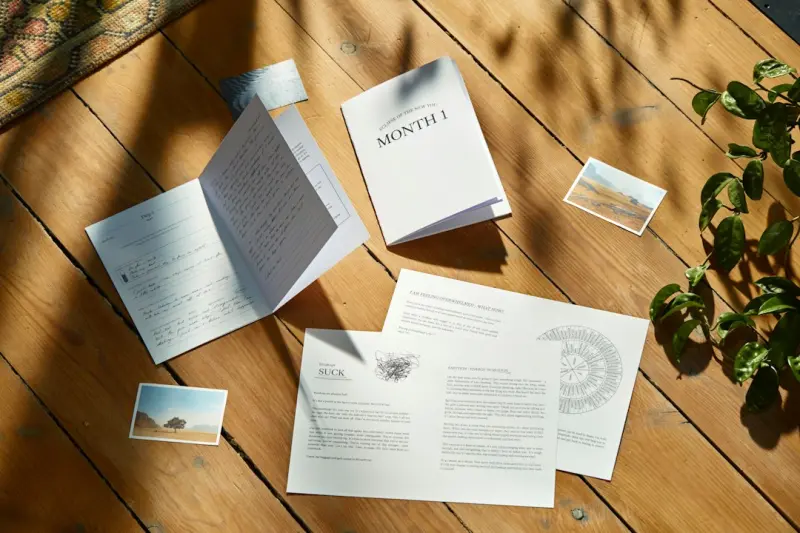
Micro‑Creative Rituals: Tiny Daily Practices That Supercharge Your Brain
Micro‑creative rituals—simple, daily acts like doodling or humming—activate the brain’s reward system and strengthen neural pathways, offering a practic...Read More
0 Comments
Post Comment
You will need to Login or Register to comment on this post!