
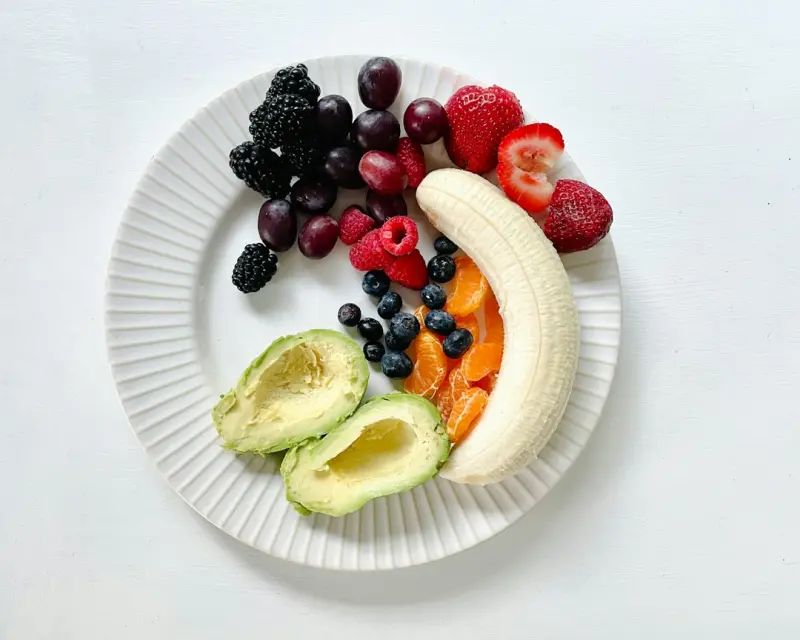
When I first stood in the farmer’s market at the crack of dawn, the air was a chorus of earth‑filled aromas: sweet carrots, peppery kale, and the subtle perfume of ripe strawberries. I felt an immediate connection—not just to the food, but to the seasons that coaxed them into existence. It was a revelation: my nutrition could be a dialogue with nature’s own calendar, and the rhythm of that conversation could shape my immunity, mood, and energy in ways I’d never imagined.
Why Seasonal Eating Is More Than a Trend
Seasonal eating is often framed as a “green” lifestyle choice—something you adopt to reduce your carbon footprint. While that’s a valuable side effect, the real power of aligning your plate with the seasons lies deeper, in the biology of how plants grow and how our bodies respond. Plants harvested at peak ripeness are bursting with phytochemicals, vitamins, and minerals that are precisely tuned to the environmental challenges of that time of year. When you eat them fresh, you’re essentially borrowing the plant’s adaptive strategies.
Consider the humble winter squash. Its bright orange flesh isn’t just pretty; it’s packed with beta‑carotene, a precursor to vitamin A that supports immune function and skin health—exactly what we need when colder weather brings higher rates of colds and dry skin. Compare that to a summer zucchini, which is richer in water content and certain antioxidants that help keep you cool and hydrated under the summer sun. The plant’s chemistry is a direct response to the climate it’s grown in, and our bodies can mirror those benefits.
Mapping the Seasonal Nutrient Landscape
Below is a quick guide to the top nutrient powerhouses each season brings. Use this as a loose “menu” for your grocery list, and feel free to swap in local varieties that resonate with your palate.
- Spring – As the world awakens, look for leafy greens like spinach, arugula, and young beet greens. These are loaded with folate and iron, supporting the surge of new cellular activity after winter.
- Summer – The season of abundance. Tomatoes, bell peppers, berries, and corn provide abundant vitamin C, lycopene, and fiber to help manage heat stress and maintain hydration.
- Fall – Apples, pears, pumpkins, and Brussels sprouts dominate the tables. They’re rich in polyphenols and fiber, which aid digestion and support a healthy gut lining as we transition to cooler months.
- Winter – Root vegetables (sweet potatoes, carrots, turnips) and cruciferous vegetables (kale, cauliflower) shine. Their dense nutrient profiles, especially vitamin C, potassium, and glucosinolates, help fortify the immune system when viral threats rise.
By rotating these foods, you naturally diversify the spectrum of micronutrients you consume, reducing the risk of hidden deficiencies that can sap energy, mood, and overall resilience.
Seasonal Eating Meets the Microbiome (Without Repeating the Same Story)
Even if you’ve read about the gut microbiome in other posts, there’s a fresh angle to explore: the way seasonal fibers act as prebiotic “season tickets” for specific beneficial bacteria. For instance, the inulin in spring asparagus feeds Bifidobacteria, which are linked to improved mood regulation. Meanwhile, the resistant starch in winter sweet potatoes fuels Akkermansia muciniphila, a bacterium associated with metabolic health.
Understanding this dance can feel like a secret handshake with your inner ecosystem. If you’re curious about how to nurture your microbiome more intentionally, you might explore understanding your inner ecosystem for deeper insights.
Seasonal Mood Swings: Food as Emotional Weatherproofing
Our mood isn’t only a product of daylight hours or temperature; it’s also heavily influenced by the nutrients we ingest. Seasonal affective changes often align with fluctuations in serotonin production, which depends on tryptophan—a precursor found abundantly in foods like turkey, soy, and nuts. Pairing these with complex carbs (think roasted pumpkin or quinoa) enhances tryptophan’s ability to cross the blood‑brain barrier, giving your brain a serotonin boost exactly when the days feel shorter.
Another mood‑enhancing nutrient is omega‑3 fatty acids, especially EPA and DHA, which help modulate inflammation—a known contributor to depressive symptoms. In winter, when oily fish like salmon and mackerel are at their freshest, they become a powerful ally against the “winter blues.” Conversely, summer’s bounty of chia seeds and walnuts offers a plant‑based omega‑3 source that’s perfect for those who prefer a lighter diet.
Practical Strategies to Sync Your Plate With the Seasons
Changing habits can feel overwhelming, so here are three actionable steps you can take right now:
- Visit a local market at least once a week. Even if you don’t shop there, the visual exposure helps you internalize what’s fresh and encourages you to incorporate those items at home.
- Plan a “seasonal week” menu each month. Pick a theme—like “Root Vegetable Roast” for winter or “Berry‑Bright Breakfasts” for summer—and build recipes around it. This reduces decision fatigue and turns cooking into a creative ritual.
- Use technology mindfully. Apps that track seasonal produce can inspire you to try new items. For those who love data‑driven approaches, consider how AI can personalize nutrition recommendations. A great example of tech‑enhanced nutrition guidance is explored in AI‑powered dietary coaching.
The Role of Ritual and Sensory Experience
Eating seasonally isn’t just about the nutrients; it’s also about the sensory ritual. The crackle of a fresh apple being sliced, the vivid color of a beet salad, the warmth of a pumpkin soup simmering on a chilly evening—these sensory cues signal to your brain that you’re in harmony with the natural world, reducing stress and enhancing the pleasure of eating.
My personal ritual now includes a simple practice: before each meal, I pause for a moment to notice the colors, aromas, and textures on my plate. This mindfulness amplifies satiety signals, helping me eat just enough to nourish, not overindulge.
Seasonal Cooking Techniques That Preserve Nutrients
How you cook seasonal produce can make a huge difference in retaining its nutritional bounty. Here are some techniques tailored to each season:
- Spring: Light sauté or quick‑steam. Overcooking delicate greens can strip them of folate. A 2‑minute steam preserves both color and nutrients.
- Summer: Grilling or raw. High heat can degrade vitamin C, so enjoy tomatoes and peppers raw in salads, or lightly grill them to bring out smoky flavors without destroying heat‑sensitive vitamins.
- Fall: Roasting. Caramelizing root vegetables at 375°F for 25‑30 minutes concentrates their natural sugars and enhances beta‑carotene availability.
- Winter: Slow‑cooking and braising. Low‑and‑slow methods break down tough fibers in winter squash and kale, making minerals more bioavailable while preserving antioxidants.
Integrating Seasonal Eating With Your Lifestyle
Busy professionals often assume they don’t have time for seasonal cooking. Yet, the same principles that make a hybrid office successful—planning, batch‑prepping, and leveraging technology—apply to nutrition. For instance, you can batch‑roast a tray of autumn vegetables on a Sunday, portion them into freezer‑safe bags, and pop them into the microwave for a quick dinner during the workweek.
If you’re managing a team, consider hosting a “Seasonal Potluck” once a quarter. It not only introduces variety to the office fridge but also fosters community and shared learning about food origins.
Measuring the Impact: Small Wins Lead to Big Changes
Tracking the benefits of seasonal eating can reinforce the habit. Simple metrics include:
- Energy levels—note any spikes or crashes throughout the day.
- Mood journal—record how you feel after meals featuring seasonal produce.
- Health markers—if you have access, monitor changes in blood pressure, cholesterol, or vitamin D levels (especially important in winter).
These data points can be as informal as a bullet‑point list in a notebook, or as sophisticated as an app that logs food and correlates it with wellness metrics. The key is consistency; over weeks and months, trends emerge that guide further adjustments.
Conclusion: Embrace the Rhythm of Nature
When you allow your nutrition to echo the natural cycles outside your window, you create a feedback loop of health that’s both intuitive and scientifically sound. Seasonal eating isn’t a rigid rulebook; it’s a flexible framework that respects your personal tastes, cultural traditions, and lifestyle constraints. By honoring the calendar of nature, you give your body the right tools at the right time—boosting immunity when the air turns crisp, lifting mood when the days grow short, and fueling performance when the sun shines bright.
So next time you stand in the produce aisle, ask yourself: “What story is this season trying to tell me?” Then let that story guide your plate, and watch how your body responds in kind.

Sarah Gray is a proud Canadian who calls Brampton home, where she lives with her husband, Paul. A passionate home cook and gifted storyteller, Sarah loves creating delicious recipes and sharing stories inspired by everyday life, family, and cherished experiences. When she isn't experimenting in the kitchen, she's busy crafting engaging content that reflects her warmth, creativity, and love of connection. Above all, Sarah treasures time spent with her grandchildren, embracing every opportunity to create lasting memories with the people she loves most.
Related Posts

Colorful Plates: How Food Hue Shapes Your Energy and Mood
Explore the science behind food pigments and learn how incorporating a rainbow of colors into every ... Read More

From Potluck to Powerhouse: How Shared Meals Transform Workplace Culture
Shared meals do more than satisfy hunger—they build trust, spark creativity, and boost productivit... Read More

Culinary Synergy: Unlocking the Hidden Power of Food Pairing
Explore the science of food pairing, from matching fats with vitamins to pairing iron with vitaminâ€... Read More
Top Posts

Quiet Power: Simple Choices to Lower Blood Pressure
Explore mindful breathing, herb‑rich meals, community walks, and subtle environmental tweaks that together create a quieter, healthier pulse....Read More

Brain Boosting Through Intentional Daydreaming
A deep dive into intentional daydreaming reveals its neurochemical benefits, practical techniques, and how to weave it into a busy life for stronger, more resil...Read More

Balancing Blood Sugar the Holistic Way: Becky Putman’s Proven Blueprint
Becky Putman shares her personal, holistic approach to managing blood sugar, blending nutrition, stress control, sleep, and movement for steady energy and overa...Read More

Cold Exposure: A Game‑Changer for Men’s Health
Exploring the science behind cold showers, ice baths, and winter swims, this guide shows how men can harness cold exposure to elevate hormone balance, immune st...Read More
0 Comments
Post Comment
You will need to Login or Register to comment on this post!