
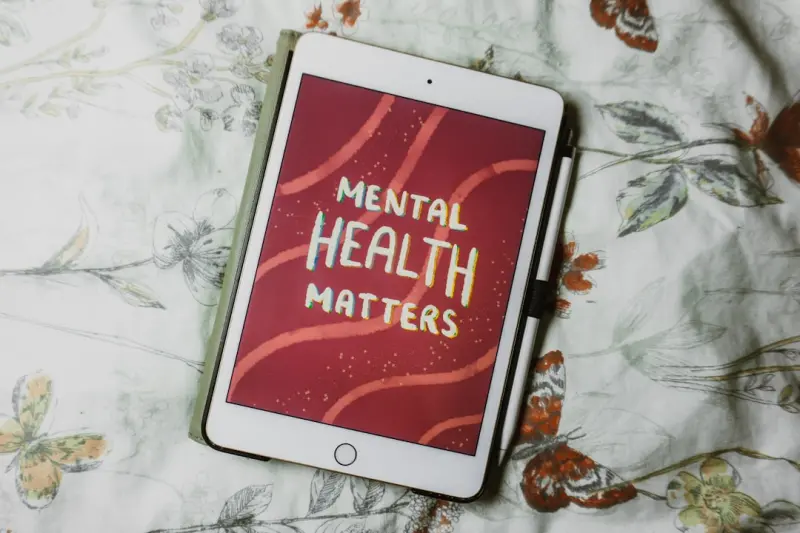
Why Stories Matter More Than You Think
When I was growing up, bedtime was a ritual of imagination. My parents would spin tales of daring explorers, mischievous animals, and distant galaxies, and I would drift off feeling safe, curious, and oddly empowered. Fast‑forward to my adult life, and I realize those same narratives are the hidden scaffolding of mental health. We rarely consider that the stories we tell ourselves—about work, relationships, or even the day‑to‑day grind—can either tighten the knots of anxiety or loosen them into threads of calm.
In the corporate world, where deadlines clash and inboxes never rest, the internal narrative becomes a silent driver of stress. If your mental script reads, “I’m not good enough,” it reinforces a feedback loop of self‑doubt. Flip the script to something like, “I’m learning and evolving,” and you unlock a different physiological response: lower cortisol, steadier heart rate, clearer thinking.
Storytelling isn’t just for authors or marketers; it’s a mental health superpower that anyone can cultivate. Below, I’ll walk you through the science, share concrete practices, and show how you can weave storytelling into your daily routine—without needing a publishing contract or a stage.
The Neuroscience Behind Narrative Healing
Neuroscientists have long known that the brain is wired for stories. When you hear a tale, several regions light up: the temporal lobes (language), the prefrontal cortex (planning and decision‑making), and the limbic system (emotion). This coordinated activation does something magical—it creates a sense of coherence. In other words, the brain prefers a narrative that links cause and effect, making sense of otherwise chaotic experiences.
Research also shows that re‑authoring a personal memory can alter its emotional weight. When you reinterpret a stressful event as a learning opportunity, the amygdala’s threat response diminishes, and the hippocampus—responsible for memory consolidation—stores a less charged version of that event. This is why therapy techniques like “cognitive restructuring” feel so effective: they are, at their core, story editing.
Even more intriguing is the impact of shared storytelling. When groups exchange personal narratives, oxytocin levels rise, fostering trust and social bonding. That’s why team‑building retreats that include storytelling circles often leave participants feeling more connected and less isolated—a key buffer against workplace burnout.
Practical Ways to Harness Storytelling for Mental Wellness
Below are actionable strategies you can start using today. Choose one that resonates and give it a two‑week trial; you’ll likely notice subtle shifts in mood, focus, and stress levels.
- Morning Narrative Reset: Spend five minutes each morning writing a brief “future‑self” story. Instead of listing tasks, frame the day as a plot: “Today, I’m the detective who uncovers a hidden solution to the client’s challenge.” This primes your brain for problem‑solving rather than panic.
- Evening Reflection Journal: At night, recount three moments from the day, but with a twist—highlight the heroic element in each. Maybe you handled a difficult email with patience; that’s a win. Over time, this habit rewires the brain to focus on strengths.
- Storytelling Pair‑Share: Pair up with a colleague or friend once a week. Take turns sharing a work‑related anecdote, then ask each other: “What was the hidden lesson?” This not only builds empathy but also creates a shared narrative of growth.
- Visual Story Maps: Use a whiteboard or digital canvas to map out a personal challenge as a story arc—setting, conflict, climax, resolution. Seeing the journey visually can demystify complex problems and reduce overwhelm.
- Integrate with Body‑Based Practices: Pair your narrative work with grounding techniques. For example, after a storytelling session, try a quick cold exposure splash or a few deep breaths to cement the calm.
Weaving Storytelling Into Existing Wellness Routines
Many of us already practice habits like meditation, exercise, or dietary tweaks. Adding a narrative layer amplifies those benefits.
Consider fermentation as a metaphorical story of transformation. Just as cabbage becomes sauerkraut through a process of change, you can view personal growth as a gradual, tasty fermentation—sometimes a little tangy, but always enriching. When you prepare a probiotic‑rich meal, narrate the journey: “These microbes are allies, turning my gut into a thriving ecosystem.” This mental framing can enhance the mind‑body connection, making the act of eating more mindful and mood‑lifting.
Similarly, listening to your gut isn’t just about digestion; it’s a story about trust. When you notice a flutter before a big presentation, rename it “the excitement of a new chapter.” By translating physiological signals into narrative cues, you reduce fear and increase confidence.
Overcoming Common Barriers
It’s normal to feel skeptical or self‑conscious about “talking to yourself” on paper. Here are three common obstacles and how to bypass them:
- “I’m not a writer.” Your narrative doesn’t need literary flair. Think of it as a quick note to a friend—concise, honest, and personal.
- “I don’t have time.” Micro‑storytelling works. Even a single sentence—“I turned a challenge into a chance”—takes 30 seconds and can be logged in a phone note.
- “It feels silly.” Remember, the brain doesn’t differentiate between “real” and “imagined” when processing stories. The emotional impact is genuine, regardless of the format.
Storytelling in Teams: A Blueprint for Corporate Culture
When storytelling becomes embedded in a company’s culture, the ripple effects are profound:
- Reduced Stigma: Openly sharing mental‑health journeys normalizes the conversation, making it easier for employees to seek help.
- Enhanced Collaboration: Understanding each other’s narratives builds empathy, leading to smoother teamwork and fewer conflicts.
- Innovation Boost: Stories that highlight failures as learning moments encourage risk‑taking, a key driver of creative solutions.
Start small—a monthly “Story Hour” where volunteers share a work‑related anecdote, followed by a group reflection on lessons learned. Over time, you’ll notice a shift from a culture of “doing” to one of “being”—a subtle yet powerful mental‑health upgrade.
Measuring the Impact: Simple Metrics for Personal and Team Growth
If you’re data‑oriented, you can track the benefits of narrative practice without turning it into a massive research project. Here are three low‑effort metrics:
- Self‑Rating Scale: Each evening, rate your stress level from 1‑10. Compare weeks where you used storytelling vs. weeks you didn’t.
- Productivity Log: Note the number of tasks completed or the quality of work output. Narrative framing often leads to clearer focus, reflected in higher quality results.
- Team Pulse Survey: In a group setting, ask members to anonymously rate their sense of belonging and psychological safety. A rise over time can signal successful narrative integration.
These simple data points can validate the practice and help you fine‑tune the approach.
Final Thoughts: Your Story Is Your Superpower
We spend countless hours curating external content—blogs, podcasts, videos—to improve mental health. Yet the most potent tool may already be in your pocket: the ability to re‑author your own story. By consciously shaping the narratives you live by, you influence neurochemistry, foster stronger social bonds, and cultivate a resilient mindset.
So, pick a pen, open a note app, or gather a small group. Start narrating. Your brain will thank you, your body will feel it, and your workplace will become a place where stories, not just spreadsheets, drive success.

Related Posts

Cultivating a Mental Garden: Small Daily Practices for Resilience
A fresh approach to mental health: treat your mind like a garden, using simple daily rituals to grow... Read More

Finding Calm in the Wild: How Everyday Nature Can Rewire Your Mind
A personal guide to turning simple nature moments into powerful mental health tools, from forest bat... Read More
Silent Screens: Redefining Mental Resilience in the Remote Work Era
Explore how to rebuild mental calm in a remote work setting by redesigning digital habits, using amb... Read More
Top Posts

The Untapped Power of Outdoor Play for Men
Outdoor play isn’t just kid‑stuff—it’s a scientifically backed strategy to elevate men’s physical and mental health. Learn how nature‑based activiti...Read More

Why Food, Sleep, and Data Are the New Triad for Autoimmune Management
Explore a fresh approach to autoimmune health by leveraging nutrition, sleep hygiene, and tech‑driven habit tracking for real, sustainable results....Read More
Reframing Prediabetes: A Data‑Driven, Human‑Centric Playbook
A comprehensive guide that blends continuous glucose monitoring, micro‑habits, workplace design, and preventive insurance benefits to empower individuals to r...Read More

The Intersection of Physiotherapy and Mental Health: A Comprehensive Approach
Physiotherapy and mental health are closely linked. A comprehensive approach to physiotherapy considers the whole person - body, mind, and spirit - and can prom...Read More
0 Comments
Post Comment
You will need to Login or Register to comment on this post!