
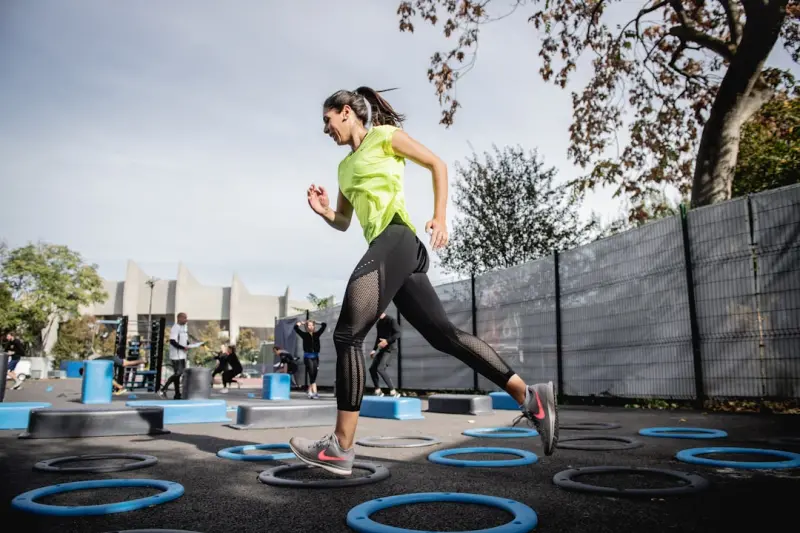
When Exercise Becomes Your Brain’s Playground
Imagine your workout not as a chore on a checklist, but as an improvisational jam session for your mind. The kind of movement that feels less like “training” and more like a spontaneous conversation between body, curiosity, and the environment around you. In this piece, I’ll walk you through how to turn everyday exercise into a mental playground that sparks creativity, sharpens focus, and builds resilience—without needing a gym membership or a rigid schedule.
Why Traditional “Fit‑Once‑A‑Week” Routines Miss the Mark
Most of us have been conditioned to think of fitness in binary terms: you either do a workout or you don’t. This black‑and‑white mindset creates a mental barrier that makes exercise feel like a punishment rather than a privilege. It also neglects the subtle, cumulative benefits that arise from varied, low‑pressure movement throughout the day.
When you frame activity as a series of playful experiments, you shift the narrative from “I must endure this” to “I get to explore how my body can respond.” That shift alone unlocks a cascade of neurochemical rewards—dopamine for novelty, endorphins for pleasure, and even a modest rise in BDNF (brain‑derived neurotrophic factor) that supports neural growth.
Introducing “Movement Curiosity Sessions”
Here’s a simple framework I call Movement Curiosity Sessions (MCS). Each session is a 5‑to‑15‑minute capsule of intentional play, designed to be inserted between meetings, before a deep‑focus block, or even while waiting for your coffee to brew. The goal isn’t to max out reps; it’s to explore how different motions feel in the moment.
- Pick a Prompt: Choose a sensory cue (a song, a scent, a visual pattern) or a thematic prompt (“move like water”, “balance as if you’re a tree”).
- Set a Timer: Keep it short—5, 10, or 15 minutes. The timer creates a sense of playfulness; you’re not “working out,” you’re “experimenting.”
- Explore Variations: Within the time, shift between standing, seated, and dynamic positions. Try a squat, then a slow arm circle, then a mini‑lunge while humming the chosen song.
- Reflect Briefly: After the timer, note a single word that captures how you feel—energized, grounded, surprised.
These micro‑explorations add up. Over a week, you’ll have accumulated 30‑60 minutes of movement that feels like a series of creative interludes rather than a monolithic workout.
The Science Behind Playful Movement
Research on playful movement breakthroughs shows that varied, low‑intensity activity engages different motor units and brain networks compared to repetitive cardio or heavy lifting. The brain loves novelty; each new pattern of movement recruits fresh neural pathways, which can improve coordination, proprioception, and even problem‑solving ability.
Additionally, a growing body of evidence links “open‑skill” activities—those that require constant adaptation, like dancing or improvisational sports—to heightened executive function. When you’re forced to make split‑second decisions about foot placement or rhythm, your prefrontal cortex gets a workout too.
Integrating Technology Without Becoming a Gadget Slave
While the core of MCS is low‑tech, a subtle nudge from technology can help you stay consistent. A simple smartwatch vibration reminds you to stand, while a phone timer ensures you don’t lose track of the session. However, the goal is to avoid the endless scroll of data dashboards. Think of tech as a gentle facilitator, not a master.
For those curious about deeper integrations, consider exploring next‑gen physiotherapy tech. Some platforms now analyze movement quality in real‑time, offering gentle cues to improve alignment without interrupting your flow.
Case Study: From Desk‑Bound to Movement‑Curious
Meet Maya, a product manager who spent eight hours a day at a standing desk, feeling “stiff” and “mental fog.” She started incorporating three MCS throughout her day: a sunrise stretch while watching the sunrise from her balcony, a “balance beat” session during lunch (she tapped her foot to a drum loop while shifting weight side‑to‑side), and a “wind‑down wobble” before logging off, where she performed slow, controlled torso twists while listening to a nature podcast.
After two weeks, Maya reported a 30% increase in perceived energy, a clearer focus during sprint planning, and even a spontaneous idea for a new product feature that emerged during a “balance beat” session. Her story illustrates how the brain’s “play mode” can translate directly into professional creativity.
Designing Your Own “Movement Playground”
Creating a physical environment that invites curiosity is easier than you think. Here are three low‑cost ideas:
- Floor Mats with Patterns: Lay down a simple rug with geometric shapes. Use the lines as visual cues for foot placement, encouraging you to step in new patterns.
- Portable Props: A light resistance band, a foam roller, or even a small sandbag can become the centerpiece of a spontaneous session.
- Soundscapes: Curate a playlist of beats from different cultures. Let the rhythm dictate the tempo of your movements.
When you intentionally design the space, you’re more likely to engage with it. The environment becomes an ally, not a background.
Overcoming the “I’m Too Busy” Objection
Time scarcity is a common excuse. Yet, the very premise of MCS is that they’re brief, adaptable, and embedded within existing routines. If you’re still skeptical, try a “one‑minute test.” Set a timer for 60 seconds and perform a single, enjoyable movement—perhaps a shoulder roll or a neck stretch. Notice how that minute can reset your posture and mental state.
Because the sessions are intentionally short, they rarely clash with deadlines. Instead, they often enhance productivity by providing mental “reset” points, reducing the need for long, draining breaks.
Scaling the Concept for Teams
While MCS works great for individuals, the real magic happens when you bring the idea to a group. Imagine a virtual “movement coffee break” where teammates each share a prompt and demonstrate a short movement on camera. The shared experience builds camaraderie, encourages diverse movement vocabularies, and can spark cross‑functional brainstorming.
To keep it light, set a rotating “movement champion” each week. That person selects the prompt, ensuring variety and giving everyone a chance to lead.
Measuring Success—Beyond the Scale
Traditional fitness metrics—weight, reps, miles—don’t capture the benefits of playful movement. Instead, consider these qualitative markers:
- Creativity Scores: After a week of MCS, ask yourself to rate the number of new ideas generated during work.
- Mood Log: Use a simple 1‑5 emoji scale to track how you feel before and after each session.
- Energy Levels: Note any changes in afternoon slump frequency.
Tracking these signals helps you see the invisible ROI of movement curiosity.
Wrapping Up: Make Movement Your Everyday Lab
Exercise doesn’t have to be a rigid regimen; it can be the most enjoyable, exploratory part of your day. By treating each movement as a hypothesis to test, you give your brain a reason to stay alert, your body a reason to stay supple, and your work a reason to stay innovative. So next time you find yourself reaching for a coffee, consider reaching for a movement cue instead. Your brain—and your calendar—will thank you.

Jessica Hall is a dynamic freelance writer based in the vibrant city of London, Ontario. As a dedicated single mom, she expertly juggles the demands of parenthood with her passion for storytelling, crafting compelling narratives that resonate with readers. With a background in retail, Jessica brings a unique perspective to her writing, infusing her work with insights drawn from her experiences
Related Posts
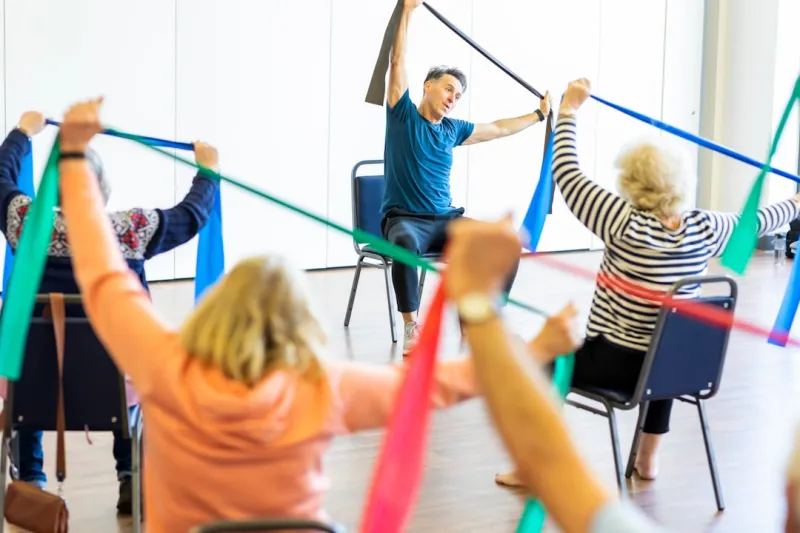
The Impact of Exercise on Mental Health in Seniors
Exercise plays a critical role in promoting mental health in seniors, reducing symptoms of depressio... Read More
When Work Becomes Play: Leveraging Exercise to Supercharge Creative Output
Learn how intentional exercise can become a catalyst for breakthrough ideas, with a step‑by‑step... Read More
Tom Ferguson’s Holistic Fitness Playbook for 2024
Tom Ferguson shares a holistic fitness blueprint that blends movement, nutrition, sleep, mindset, an... Read More
Top Posts

Mastering Blood Sugar: A Holistic Blueprint for Stable Glucose
Learn how to stabilize glucose naturally through mindful eating, strategic movement, stress reduction, and sleep optimization—turning blood sugar management i...Read More

Managing Blood Sugar by Mastering Decision Fatigue
A fresh look at blood‑sugar control reveals that decision fatigue and mental stress are hidden drivers of glucose spikes. Discover actionable strategies—mic...Read More

Rethinking Male Hormone Health: A Modern Playbook
A practical guide for men to balance hormones naturally, covering diet, exercise, stress management, and myths about supplementation....Read More

Why Your Liver Deserves a Front‑Row Seat in Your Wellness Routine
A practical guide that shifts the liver from background organ to wellness priority, offering nutrition, movement, stress, and environmental tips for lasting liv...Read More
0 Comments
Post Comment
You will need to Login or Register to comment on this post!