
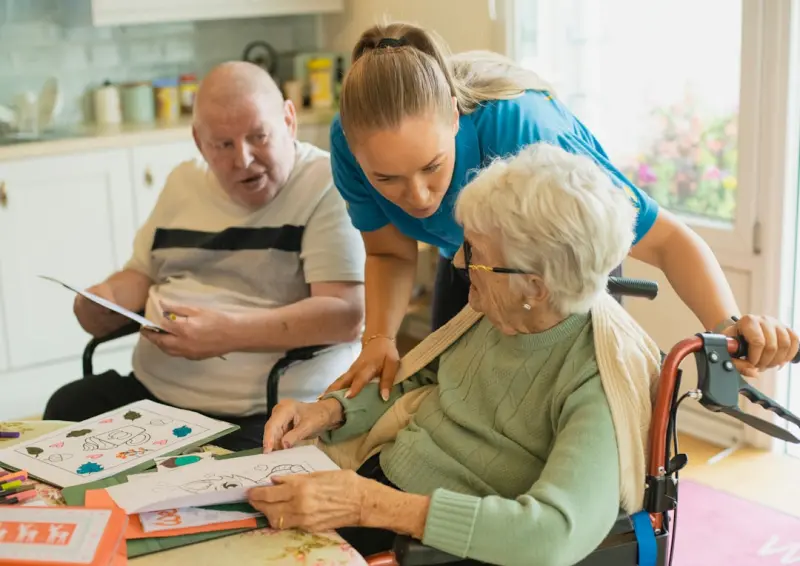
When I first walked into the community center at seventy‑two, I expected a quiet room of bingo cards and soft‑serve ice cream. Instead, I found a buzz of activity: seniors hunched over laptops, a group of retirees assembling DIY solar chargers, and a handful of volunteers—some in their twenties, some in their fifties—handing out tiny tasks that seemed almost trivial. One moment I was learning how to calibrate a smart thermostat, the next I was stitching a quilt for a local shelter. That day, I realized that the secret to thriving senior health isn’t just about exercise or diet; it’s about purpose, connection, and the power of micro‑volunteering.
The Science Behind Tiny Acts
Research on Micro‑Movements for Brain Fitness shows that small, intentional physical actions can stimulate neuroplasticity, the brain’s ability to rewire itself. The same principle applies to micro‑volunteering. When seniors engage in brief, meaningful tasks—whether it’s labeling a set of books, recording oral histories, or helping a neighbor plant a rosemary shrub—the brain receives a cascade of dopamine and oxytocin. Dopamine fuels motivation, while oxytocin reinforces social bonding.
Neurochemically, these tiny acts create a feedback loop: a sense of achievement spikes dopamine, which encourages the brain to seek more rewarding activities. Oxytocin, released when we feel socially connected, reduces cortisol—the stress hormone that, over time, can impair memory and immune function. The net result? Sharper cognition, a stronger immune system, and an elevated mood—all crucial pillars of senior health.
Why “Micro” Matters
Many seniors shy away from volunteering because they perceive it as a massive time commitment or a physically demanding endeavor. Micro‑volunteering flips that script. It reframes service as a series of bite‑sized, low‑threshold opportunities that fit into a daily routine without overwhelming it. Think of it as the “espresso shot” of community work: potent, quick, and energizing.
- Time Flexibility: Tasks can range from five minutes (answering a quick phone call) to thirty minutes (organizing a pantry shelf). This flexibility respects the varied energy levels and schedules of older adults.
- Physical Accessibility: Micro‑tasks can be performed seated, standing, or even from a wheelchair, ensuring inclusivity for seniors with mobility limitations.
- Skill Alignment: Volunteers can leverage lifelong skills—knitting, accounting, gardening—turning expertise into service without learning a steep new skill set.
Designing a Micro‑Volunteering Ecosystem
Creating a sustainable micro‑volunteering model involves three key components: task curation, technology enablement, and community integration. Below, I break down each element with actionable steps you can implement in your senior center, assisted living facility, or neighborhood group.
1. Task Curation
Start by inventorying the needs of local nonprofits, schools, and municipal programs. Then, translate those needs into micro‑tasks. For example:
- Digitizing old photographs for a historical society (10‑minute scanning session).
- Writing short thank‑you notes for a food bank’s donors (5‑minute handwriting).
- Transcribing a five‑minute audio clip of a community elder’s story for a podcast series.
- Sorting and labeling recyclable materials for a local environmental group (15‑minute sorting).
- Providing brief tutoring sessions in basic math for middle‑school students (20‑minute video call).
Each task should have a clear objective, a time estimate, and a simple set of instructions. The clearer the task, the less friction there is for seniors to jump in.
2. Technology Enablement
While not every senior is a tech wizard, a modest digital platform can streamline coordination. Consider a lightweight, mobile‑first app where volunteers can:
- Browse a curated list of micro‑tasks.
- Sign up with a single tap.
- Log completed work for recognition points.
- Receive quick tutorials or video demos.
When designing the interface, prioritize large fonts, high‑contrast colors, and voice‑guided navigation. If a full‑blown app feels too ambitious, a simple shared Google Sheet or a community bulletin board can serve the same purpose.
3. Community Integration
Micro‑volunteering thrives on social reinforcement. Celebrate completions with weekly “Micro‑Hero” shout‑outs, create a digital badge system, or host a monthly tea where volunteers share stories. These rituals reinforce the sense of belonging and provide the social dopamine boost that keeps participants engaged.
Moreover, partner with intergenerational programs. By inviting younger volunteers to collaborate on tasks, seniors gain fresh perspectives while younger participants receive mentorship. This synergy is highlighted in Intergenerational Skill Swaps, a model that proves cross‑age collaboration amplifies health benefits for all involved.
Real‑World Success Stories
Below are three case studies that illustrate the transformative impact of micro‑volunteering on senior health.
Case Study 1: The “Letter‑Lending Library”
In a small town in Oregon, a group of retirees launched a micro‑volunteering project where seniors wrote personalized recommendation letters for local high school seniors applying to college. Each letter took roughly ten minutes. Within three months, participants reported a 23% increase in self‑reported life satisfaction and a measurable rise in blood pressure regulation—a likely result of reduced stress and increased purposeful activity.
Case Study 2: “Garden Guardians”
At a community garden in Texas, seniors were invited to water, weed, and tag plant varieties for a local school’s science curriculum. The tasks were broken into 15‑minute slots. Over a growing season, participants noted improvements in balance (fewer falls reported) and reported sharper recall of plant names, linking physical movement with cognitive stimulation.
Case Study 3: “Digital Memory Keepers”
In a senior living facility in Ohio, residents were paired with volunteers to digitize family photo albums. Each session lasted 20 minutes, and the resulting digital archives were shared with families. The act of reminiscing triggered autobiographical memory retrieval, which research shows can reinforce neural pathways associated with identity and emotional well‑being. Residents reported lower loneliness scores and higher engagement in subsequent community events.
Addressing Common Barriers
Even with a well‑designed program, seniors may encounter obstacles. Here’s how to anticipate and mitigate them.
- Physical Limitations: Offer seated options, provide adaptive tools (e.g., large‑button keyboards), and ensure tasks don’t require prolonged standing.
- Technology Aversion: Pair each senior with a “tech buddy”—a volunteer who can guide them through the platform in person or over the phone.
- Perceived Lack of Value: Clearly communicate the impact of each micro‑task. For example, “Your five‑minute transcription will help preserve local history for future generations.”
- Time Management Concerns: Integrate micro‑volunteering into existing routines—e.g., a “post‑breakfast task” or “pre‑dinner activity.”
Measuring Impact: From Anecdote to Data
To sustain funding and community support, it’s essential to track outcomes. Simple metrics can provide a compelling narrative:
- Engagement Rate: Number of volunteers per week divided by the total senior population.
- Health Indicators: Pre‑ and post‑program surveys measuring mood (using the Geriatric Depression Scale), blood pressure, and self‑reported energy levels.
- Skill Retention: Assessments of memory recall for tasks completed (e.g., name‑recall of plants tended).
- Community Reach: Total hours contributed and the number of external organizations served.
When you can demonstrate a tangible correlation between micro‑volunteering and improved health markers, you create a virtuous loop: data attracts resources, resources expand the program, and expanded programs drive deeper health outcomes.
Getting Started: A Step‑by‑Step Playbook
- Identify Stakeholders: Recruit a small committee of seniors, staff, and community partners.
- Map Needs: Conduct a rapid needs assessment with local nonprofits and schools.
- Curate Tasks: Translate needs into micro‑tasks, assign time estimates, and write clear instructions.
- Choose a Platform: Deploy a simple digital board (Google Sheet, Trello) or an app designed for senior accessibility.
- Pilot Test: Launch a two‑week pilot with a handful of volunteers; collect feedback on usability and satisfaction.
- Iterate & Scale: Refine based on pilot insights, add recognition mechanisms, and broaden outreach.
- Track & Celebrate: Record metrics, share success stories, and hold monthly “Micro‑Impact” celebrations.
Remember, the goal isn’t to overwhelm seniors with a massive volunteer agenda but to sprinkle purposeful moments throughout their day. Those moments accumulate, building a robust health scaffold that supports mind, body, and spirit.
Looking Ahead: The Future of Senior Micro‑Volunteering
As we see more AI‑driven platforms that match volunteers to tasks, the potential for hyper‑personalized micro‑volunteering grows. Imagine a system that analyzes a senior’s health data—sleep quality, mobility scores, cognitive assessments—and recommends micro‑tasks that target specific gaps. Pair that with augmented reality glasses that provide step‑by‑step visual cues, and you have a future where every senior can seamlessly integrate purposeful service into their daily rhythm.
Until that day arrives, the fundamentals remain the same: small actions, big impact. By embracing micro‑volunteering, seniors can rewrite the narrative of aging—from a period of decline to a vibrant chapter of contribution, connection, and health.

Related Posts
Why Picking Up a New Skill in Your 70s Can Supercharge Your Health
Learning a new skill in later life can enhance brain function, boost mood, and foster community conn... Read More
Tech-Enabled Trails: How Smart Outdoor Gear Is Redefining Senior Wellness
Smart outdoor gear transforms senior walks into safe, health‑tracking, and socially connected adve... Read More
Intergenerational Connections: How Grandparenting and Mentoring Boost Senior Health
Intergenerational connections—through grandparenting, mentorship, and shared activities—offer a ... Read More
Top Posts
The Narrative Weight‑Loss Method: Rewrite Your Body Story for Real Change
A fresh take on weight loss, this post shows how to replace numbers with a meaningful personal story, using micro‑scripts, gut insights, and brain‑fuel hack...Read More
Designing a Blood‑Sugar‑Smart Workspace: Small Tweaks, Big Gains
A fresh look at how the design of your office or home workspace can quietly influence glucose levels, with actionable tips you can implement today....Read More
The Creative Kitchen: Turning Cooking into a Weight‑Loss Power Play
Explore a fresh, creative approach to weight loss by treating cooking as an artistic playground—using themes, ingredient swaps, and storytelling to stay lean ...Read More

Thermal Detox: Harness Heat and Cold to Supercharge Your Body’s Cleanse
Learn why temperature modulation—using sauna heat and cold showers—offers a powerful, science‑backed way to enhance your body’s natural detox pathways, ...Read More
0 Comments
Post Comment
You will need to Login or Register to comment on this post!