
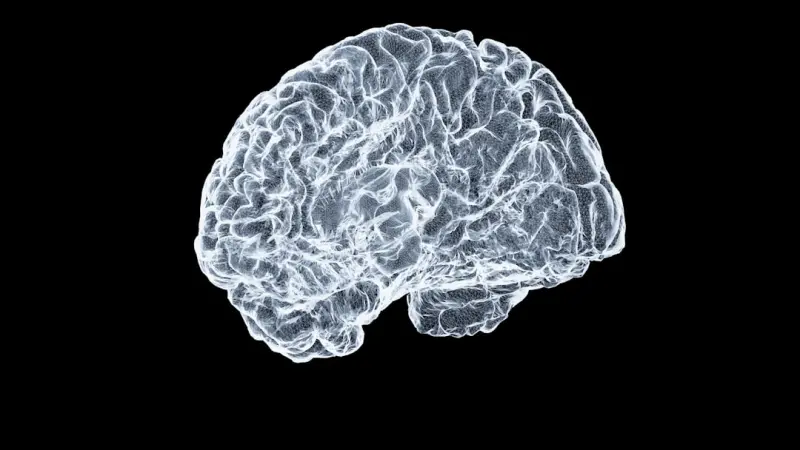
Micro‑Movements for Brain Fitness: Tiny Physical Shifts That Supercharge Cognitive Resilience
When most people think about sharpening their mind, they picture puzzles, meditation apps, or a handful of “brain‑boosting” supplements. What if the most effective lever for cognitive stamina lives right under our desks, in the subtle adjustments we make while we work, read, or even stare at a screen? In this post, I’m diving into the science and practice of micro‑movements—the small, intentional motions that keep the brain’s neural networks humming, improve blood flow, and build a buffer against mental fatigue.
The Hidden Cost of Static Posture
We spend an average of eight to ten hours a day seated, often in the same position. This static posture isn’t just a nuisance for the lower back; it directly influences the brain’s oxygen and glucose delivery. Prolonged immobility triggers a cascade of physiological responses:
- Reduced cerebral perfusion: When muscles are idle, the heart’s output is directed away from the brain, leading to subtle declines in alertness.
- Lowered neurotrophic factor release: Physical activity—even at low intensity—stimulates the release of BDNF (brain‑derived neurotrophic factor), a protein critical for synaptic plasticity.
- Increased cortisol spikes: A slouched posture can amplify stress hormones, which over time erode memory consolidation.
These effects accumulate, especially for knowledge workers who rely on sustained attention. The antidote? A regimen of micro‑movements woven into the fabric of your day.
What Exactly Are Micro‑Movements?
Micro‑movements are brief, low‑impact actions that require minimal effort but trigger meaningful physiological feedback. Think of them as the brain’s version of “interval training”—short bursts that reset neural circuits without demanding a full‑blown workout. Examples include:
- Neck rotations and chin tucks every 45 minutes.
- Standing up to stretch the hamstrings and calves for 30 seconds.
- Finger‑dexterity drills (e.g., piano‑style tapping) while on a conference call.
- Hip hinge “hinge‑and‑hold” motions to re‑engage the glutes.
- Gentle wrist circles to improve peripheral blood flow.
These actions are deliberately brief—usually 15 to 60 seconds—so they don’t disrupt workflow yet still produce measurable benefits.
Why Micro‑Movements Matter for Cognitive Performance
Research from cognitive neuroscience and occupational health converges on three core mechanisms:
1. Enhanced Cerebral Blood Flow
Even a minute of standing or marching in place raises heart rate by roughly 10 bpm, which translates to a 5‑10 % increase in cerebral blood flow. More oxygen and nutrients reach the prefrontal cortex, the region responsible for decision‑making, planning, and working memory.
2. Neuroplasticity Triggers
Every time you move, you engage proprioceptive pathways that feed back to the brain. This sensory input stimulates BDNF production, reinforcing synaptic connections. Over weeks of consistent micro‑movement practice, you’ll notice sharper focus and quicker recall.
3. Stress Regulation
Physical motion activates the parasympathetic nervous system, which counteracts cortisol surges. A quick stretch can lower perceived stress by up to 15 % according to recent psychophysiology studies. Lower stress means fewer “mental roadblocks” and more bandwidth for creative thinking.
Designing a Micro‑Movement Protocol That Works for You
One size does not fit all, but the framework below can be customized to any work environment—whether you’re in a corporate office, a home studio, or a co‑working space.
Step 1: Map Your Natural Break Points
Identify moments when you naturally pause: after finishing a paragraph, before a meeting, or when your phone battery hits 20 %. These are perfect cues for a micro‑movement.
Step 2: Choose a Movement Library
Compile a short list of 5‑7 micro‑movements you enjoy. Rotate them to keep the routine fresh. For instance:
- Shoulder roll (forward & backward, 10 reps each).
- Standing calf raise (10 reps).
- Seated spinal twist (30 seconds each side).
- Hand‑palm press (press palms together, hold 15 seconds).
- Hip openers (standing figure‑four stretch, 30 seconds).
Step 3: Set Timed Reminders
Leverage technology—phone alarms, desktop widgets, or a simple timer. The goal is to prompt a movement before fatigue sets in. A popular method is the “52‑17” rule: work for 52 minutes, move for 17. Adjust the ratio to fit your rhythm.
Step 4: Track and Iterate
Keep a lightweight log of how you feel before and after each micro‑movement session. Note energy levels, focus scores, and any headaches. Over a month, patterns will emerge, allowing you to fine‑tune the routine.
Integrating Micro‑Movements With a Holistic Brain‑Health Ecosystem
Micro‑movements are most potent when paired with complementary strategies. Below are three pillars that amplify their impact.
Optimized Sleep Environment
A well‑crafted sleep sanctuary sets the stage for the brain’s nightly repair processes. If you haven’t yet explored how soundscapes can improve sleep quality, consider reading Designing a Sleep Sanctuary: How Soundscapes Can Quiet Insomnia. By reducing nocturnal disruptions, you’ll wake with a brain primed for micro‑movement benefits.
Data‑Driven Nighttime Routines
Just as athletes use metrics to refine performance, you can apply a data lens to your sleep habits. Tools that monitor heart‑rate variability or REM cycles can inform when to schedule your most demanding mental tasks. The article Reprogramming Your Night: Turning Insomnia Into a Data‑Driven Ally offers practical guidance on turning raw sleep data into actionable insights.
Nutrition That Fuels Neurogenesis
While micro‑movements boost blood flow, the brain also needs the right fuel. Focus on omega‑3‑rich foods, antioxidant‑laden berries, and moderate caffeine. Pair these with regular hydration to keep cerebrospinal fluid circulating efficiently.
Case Study: From Desk‑Bound Fog to Laser Focus
Meet Maya, a senior product manager who struggled with “brain fog” after long sprint cycles. She introduced a micro‑movement protocol: a 30‑second stretch every hour, a 2‑minute standing walk after each meeting, and a 5‑minute “desk yoga” sequence at lunch. Within three weeks, Maya reported:
- 30 % reduction in self‑rated fatigue.
- Improved task switching speed, measured by a simple reaction‑time app.
- Higher confidence during stakeholder presentations.
Her secret? Pairing movements with a consistent sleep routine that included low‑frequency soundscapes, a habit she adopted after reading about sleep sanctuary design.
Practical Tips for Remote Workers
Remote work often blurs the line between “home” and “office,” making it easy to stay seated for hours. Here are three remote‑friendly hacks:
- Desk‑to‑Floor Transition: Place a yoga mat nearby and perform a quick “downward‑dog to child’s pose” flow during a coffee break.
- Virtual Stretch Breaks: Schedule a 5‑minute video call with a colleague solely for a guided stretch session.
- Movement‑Based Pomodoro: Use a Pomodoro timer that automatically triggers a 30‑second movement cue when the work interval ends.
Addressing Common Misconceptions
Myth 1: Micro‑movements are too trivial to matter. While they’re brief, the cumulative effect on cerebral perfusion and neurotrophic signaling is measurable. Think of it as “compound interest” for the brain.
Myth 2: I need a gym or equipment. None of the suggested movements require dumbbells or a treadmill. The goal is to activate muscles, not to build bulk.
Myth 3: They’ll distract me from deep work. When scheduled intentionally, micro‑movements act as mental “reset buttons,” actually enhancing deep‑work sessions by preventing the buildup of fatigue.
Future Directions: Wearables and AI‑Guided Micro‑Movement Coaching
Emerging wearables can detect prolonged stillness and nudge users toward movement. Combine that with AI that learns your personal fatigue patterns, and you get a truly personalized micro‑movement coach. Imagine a device that says, “Your heart‑rate variability suggests you’re entering a low‑focus window—stand, stretch, and take a 20‑second breath reset.” The integration of biometric data with movement cues is poised to become a staple of next‑gen brain‑health platforms.
Getting Started Today
Ready to give your brain the kinetic boost it craves? Here’s a starter script you can copy‑paste into your daily planner:
08:30 – Arrive at desk, 2‑minute neck & shoulder roll
10:15 – 30‑second standing calf raise
12:00 – Lunch break: 5‑minute desk yoga flow
13:45 – 1‑minute hip hinge hold
15:30 – Wrist circles & finger taps for 45 seconds
17:00 – End of day: full‑body stretch (2 minutes)
Commit to this routine for two weeks, track your energy levels, and adjust as needed. Your brain will thank you with clearer thoughts, steadier focus, and a greater capacity to tackle complex challenges.
Conclusion: The Power of Tiny Motions
Brain health isn’t solely about the grand gestures—no‑otropic pills, elaborate meditation retreats, or high‑intensity cardio sessions. It’s also about the tiny, consistent motions that keep the neural highways open and the stress signals at bay. By integrating micro‑movements into your workday, you create a resilient cognitive ecosystem that thrives on rhythm, oxygen, and a dash of intentionality. Start small, stay consistent, and watch your mental performance transform—one subtle shift at a time.

Related Posts
Unlocking Cognitive Reserve: The Midlife Skill‑Learning Blueprint
Learning a new language, instrument, or hobby in midlife isn’t just fun—it creates a powerful co... Read More

Nurturing Your Mind: A Holistic Guide to Peak Brain Health
Explore a comprehensive, holistic approach to brain health that blends nutrition, sleep, movement, s... Read More
Sensory Enrichment: A Fresh Blueprint for Brain Vitality
Tap into the power of everyday senses—sight, sound, smell, touch—to boost memory, focus, and men... Read More
Top Posts

Finding Light in the Dark: How Creative Expression Became My Cancer Survival Toolkit
Discover how turning to painting, journaling, and music transformed my cancer journey, offering scientific backing, easy rituals, and a supportive creative comm...Read More

The Complex World of Autoimmune Diseases
Autoimmune diseases occur when the body's immune system mistakenly attacks healthy tissues and organs. Learn about the causes, symptoms, and treatment options f...Read More

Gentle Data‑Driven Parenting: Optimizing Infant Health in the First Six Months
A fresh, evidence‑based roadmap blends gentle caregiving with smart tech, offering parents actionable insights to support infant sleep, gut health, and emotio...Read More
Playful Physiotherapy: Turning Recovery into a Game
Explore the power of playful movement in physiotherapy—learn why games, storytelling, and simple props can accelerate recovery and keep patients motivated....Read More
0 Comments
Post Comment
You will need to Login or Register to comment on this post!