
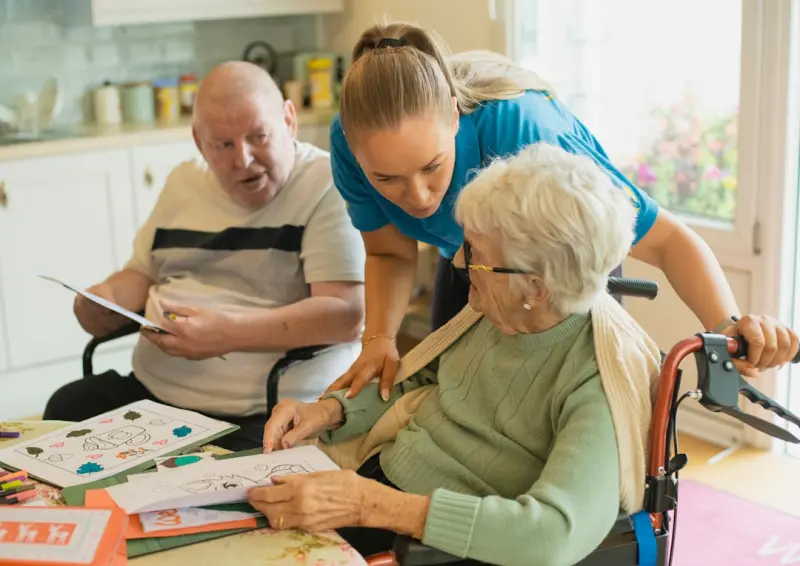
Why Picking Up a New Skill in Your 70s Can Supercharge Your Health
When I first walked into my local community center at seventy‑four, I expected a quiet room filled with knitting circles and bingo tables. Instead, I found a bustling studio where a group of retirees were learning to code, a pair of seniors mastering salsa, and a cluster of friends experimenting with digital photography. The energy was palpable, the laughter contagious, and the sense of purpose unmistakable. That day, I realized that the myth of “it’s too late to learn” is just that—a myth.
For many seniors, health discussions revolve around medication, doctor visits, or managing chronic conditions. While those topics are undeniably important, there’s an equally powerful, often overlooked lever: lifelong learning. Engaging the brain in novel challenges triggers a cascade of physiological benefits—improved cardiovascular health, stronger muscles, sharper cognition, and deeper social connections. In this post, I’ll walk you through the science, share practical ways to get started, and sprinkle in a few resources from our own blog that complement the senior learning journey.
The Science Behind Skill Acquisition and Senior Vitality
Neuroplasticity—the brain’s ability to reorganize itself by forming new neural connections—doesn’t shut off at 65. In fact, research shows that the adult brain remains remarkably adaptable, especially when we introduce activities that require concentration, coordination, and problem‑solving. When seniors learn something new, the brain releases brain‑derived neurotrophic factor (BDNF), a protein that supports the survival of existing neurons and encourages the growth of new ones. This biochemical shift helps preserve memory, mood, and executive function.
But the benefits aren’t confined to the head. Physical movement that often accompanies new hobbies—think dancing, gardening, or even assembling a piece of furniture—stimulates the heart, improves circulation, and helps regulate blood sugar. In a recent article titled Decoding Gut Signals, we explored how gut health influences overall wellbeing. Learning to cook new, fiber‑rich recipes can simultaneously nourish the gut microbiome and expand culinary horizons.
Moreover, mastering a skill releases dopamine, the “feel‑good” neurotransmitter that fuels motivation and pleasure. This dopamine surge can counteract the depressive tendencies that sometimes accompany retirement or reduced social interaction. In short, the act of learning becomes a natural antidote to the mental health challenges many seniors face.
Social Currency: Building Community Through Shared Curiosity
Humans are wired for connection. When you sit beside a stranger to practice a new language, you instantly share vulnerability, curiosity, and the excitement of discovery. These shared moments forge bonds that are deeper than those formed through routine coffee meet‑ups. A study in the Journal of Gerontology found that seniors who participated in group learning programs reported a 30% reduction in feelings of loneliness.
Community centers, libraries, and senior colleges are increasingly offering classes tailored to older adults: from digital art and woodworking to mindfulness meditation and even robotics. If you’re hesitant about stepping into a classroom, start with a micro‑learning approach—short, focused sessions that fit into your daily rhythm. A 20‑minute online tutorial on watercolor basics, followed by a weekly meetup at the park, can provide structure, accountability, and the social spark you need.
Choosing the Right Skill: Aligning Passion with Practicality
Not every hobby will suit every senior, and that’s okay. The key is to match your personal interests with activities that also challenge you physically, mentally, or socially. Below is a quick decision‑tree you can use:
- Do you love stories? Try creative writing workshops or join a local book club that focuses on narrative analysis.
- Are you a visual learner? Dive into photography, digital illustration, or even pottery.
- Do you enjoy movement? Consider low‑impact dance, tai chi, or gentle swimming classes.
- Curious about technology? Basic coding, digital literacy, or using a tablet for photo editing can be surprisingly rewarding.
- Want to give back? Volunteer tutoring, mentoring, or community gardening combine purpose with skill building.
Whatever you choose, make sure it pushes you just beyond your comfort zone. That “sweet spot” of challenge is where growth happens.
Integrating Learning Into Daily Life: A Practical Blueprint
Here’s a step‑by‑step guide to embed a new skill into your routine without feeling overwhelmed:
- Set a Clear, Measurable Goal. Instead of “learn to paint,” aim for “complete a 12‑week watercolor series, creating one piece per week.”
- Allocate a Consistent Time Slot. Whether it’s 7 a.m. before breakfast or 4 p.m. after dinner, consistency trains both mind and body.
- Gather Simple Resources. Many free tutorials are available on YouTube, community college websites, or through local senior centers.
- Find an Accountability Partner. Pair up with a friend, family member, or join an online forum where you can share progress.
- Track Progress and Celebrate Milestones. A simple journal or a photo log can highlight growth and keep motivation high.
- Reflect on Health Impacts. After a month, notice any changes in energy, mood, or physical comfort. Write these observations down; they become powerful motivators.
Remember, the journey matters more than the destination. Even a small weekly commitment can produce outsized health dividends over time.
Connecting Learning to Broader Health Goals
Learning isn’t an isolated activity; it intertwines with nutrition, sleep, and stress management. Here are three ways to create a holistic health ecosystem around your new hobby:
1. Nutrition for Brain Power
Foods rich in omega‑3 fatty acids, antioxidants, and B vitamins support neurogenesis. If you’re exploring cooking classes, incorporate salmon, leafy greens, and nuts into your recipes. The synergy between a nourished gut and a stimulated brain can be profound—remember the insights from our Liver and Stress Resilience article, which emphasized the liver’s role in metabolizing nutrients that affect mood and energy.
2. Sleep as the Recovery Engine
New skills often excite the mind, which can make winding down at night a challenge. Establish a calming pre‑sleep routine: dim lights, gentle stretches, and perhaps a brief reflection on what you learned that day. This practice helps consolidate memory and prepares your brain for the next learning session.
3. Stress Management Through Flow
When you’re fully absorbed in an activity—a state psychologists call “flow”—stress hormones dip. Whether you’re weaving a basket or debugging a line of code, that deep focus offers a natural stress‑relief tool. If you’re interested in how data can guide health decisions, check out our piece on Reframing Prediabetes. It illustrates how tracking metrics can turn vague concerns into actionable plans.
Real Stories: Seniors Who Turned Curiosity into Longevity
Below are a few inspiring snapshots from seniors who embraced learning and reaped health benefits:
- Marjorie, 78 – Digital Storytelling. After attending a weekly workshop on video editing, Marjorie created a family documentary that sparked weekly gatherings. She reports better sleep, increased appetite for fresh foods, and a renewed sense of purpose.
- Frank, 71 – Beginner’s Yoga & Podcast Production. Combining gentle yoga with a hobby of producing short health podcasts, Frank reduced his blood pressure and found a platform to share his experience with fellow retirees.
- Elaine, 82 – Gardening & Botany Classes. Learning about native plants led Elaine to start a rooftop garden, which not only provided physical activity but also boosted her vitamin D levels and reduced seasonal affective symptoms.
Each story underscores a common thread: learning fuels a virtuous cycle of physical activity, mental stimulation, and social engagement.
Overcoming Common Barriers
Many seniors cite obstacles like “I’m not tech‑savvy,” “I don’t have time,” or “I’m afraid of looking foolish.” Here’s how to tackle them:
- Tech Anxiety: Start with user‑friendly platforms—tablet apps designed for seniors often feature large icons and voice instructions. Many libraries offer “Tech Buddy” programs.
- Time Constraints: Remember that learning doesn’t require hours. Even ten minutes a day adds up, and micro‑learning modules are designed for busy schedules.
- Fear of Judgment: Choose environments that emphasize inclusivity. Many community centers have “beginner‑only” classes where everyone is at the same learning stage.
Future Trends: How Emerging Tech Will Empower Senior Learners
Virtual reality (VR) is making strides in senior education. Imagine walking through a historic Parisian street without leaving your living room, or practicing balance exercises in a simulated park. These immersive experiences can boost confidence, improve motor skills, and provide mental stimulation that feels like a vacation.
Artificial intelligence (AI) tutors are also on the horizon, offering personalized feedback in real time. An AI‑driven language app could adapt to your speech patterns, ensuring you progress at a comfortable pace. While these technologies are still emerging, they promise to lower barriers and make learning more accessible than ever.
Putting It All Together: Your First 30‑Day Action Plan
Ready to dive in? Here’s a starter kit you can implement immediately:
- Pick a Skill. Choose something you’ve always been curious about—photography, a musical instrument, basic coding, or a new language.
- Find a Class. Check local senior centers, community colleges, or online platforms that offer free trials.
- Schedule a Slot. Block 30 minutes on your calendar, three times a week.
- Gather Supplies. Keep it simple—a notebook, a basic tool, or a smartphone.
- Journal Your Journey. Note what you learned, how you felt, and any physical changes (energy levels, sleep quality, mood).
- Connect. Share a weekly update with a friend or online group to stay accountable.
After 30 days, assess what’s working and adjust. Perhaps you’ll discover a hidden passion, or you’ll decide to combine multiple interests—like coding a simple app to track your garden’s growth.
Conclusion: The Gift of Ongoing Growth
Age is not a ceiling; it’s a foundation. By embracing new skills, seniors can construct a richer, more resilient health profile that spans body, mind, and spirit. The excitement of discovery fuels dopamine, the discipline of practice strengthens muscles, and the camaraderie of shared learning knits stronger social ties. In my own experience, each new hobby feels like a fresh chapter in a book that never truly ends.
So, if you’re reading this and thinking, “I’m too old to start,” remember that the brain’s capacity for change is ageless. The next class you walk into could be the catalyst for a healthier, happier, and more connected version of yourself. Grab that paintbrush, tap that keyboard, or lace up those dancing shoes—you’ve got nothing to lose and a vibrant, thriving life to gain.
Jessica Hall is a dynamic freelance writer based in the vibrant city of London, Ontario. As a dedicated single mom, she expertly juggles the demands of parenthood with her passion for storytelling, crafting compelling narratives that resonate with readers. With a background in retail, Jessica brings a unique perspective to her writing, infusing her work with insights drawn from her experiences
Related Posts
Flavorful Memory: How Reviving Family Recipes Boosts Senior Brain and Gut Health
Reviving heritage dishes with gut‑friendly ingredients, supported by wearable tracking, offers sen... Read More
Community Gardens: A Fresh Prescription for Senior Health
A senior-friendly guide showing how community gardening can enhance physical strength, cognitive fun... Read More

Curiosity Unlocked: How Lifelong Learning Boosts Senior Health and Vitality
Becky Putman shares her personal journey of embracing curiosity in later life, showing how daily lea... Read More
Top Posts

The Dangers of Smoking and Vaping: A Holistic Approach to Quitting
Smoking and vaping are highly addictive habits that can have serious consequences for overall health and well-being. Learn how to quit with a holistic approach ...Read More

The Longevity Playbook: Future‑Proofing Your Career in a Rapidly Changing World
A strategic guide that blends physical vitality, cognitive agility, and purpose to help professionals sustain peak performance and adapt to evolving workplace d...Read More

Mapping the Invisible Battlefield: Precision Tools to Outsmart Autoimmune Flare‑Ups
A deep dive into how personalized data, wearables, diet texture tricks, and environment design can give autoimmune patients the foresight to manage flare‑ups ...Read More
Becky Putman's Holistic Blueprint for Overcoming Sleep Apnea
Becky Putman shares her personal, holistic roadmap to beating sleep apnea—mixing diet, breathing, environment tweaks, and smart tech for deeper, healthier sle...Read More
0 Comments
Post Comment
You will need to Login or Register to comment on this post!