

Why Temperature is the Missing Link in Your Detox Routine
When I first started experimenting with body detox, I chased the usual suspects: juice cleanses, intermittent fasting, and a parade of pricey supplements. I even tried the micro‑habit approach to flushing toxins, thinking that tiny daily actions would add up to a clean slate. What I discovered, however, was that the most effective detox catalyst wasn’t a new superfood or a fancy capsule—it was a simple, age‑old principle that our bodies have known for millennia: temperature modulation.
Heat and cold aren’t just for comfort or performance; they’re powerful biochemical levers that can coax your liver, kidneys, skin, and even your gut microbiome into a higher gear of waste elimination. In this deep dive, I’ll walk you through the science, the practical protocols, and the mindset shifts needed to turn your bathroom, sauna, and freezer into a high‑efficiency detox lab.
The Physiology of Heat: Sweat, Circulation, and Cellular Renewal
When you step into a sauna or soak in a hot tub, your core temperature rises by 1–2 °C. That triggers a cascade of physiological responses:
- Vasodilation: Blood vessels expand, flooding peripheral tissues with oxygen‑rich blood.
- Increased heart rate: Your heart works harder, mimicking mild cardio without the joint wear.
- Sweat production: Sweat glands expel not only water but also trace metals (lead, cadmium), BPA, and even certain hormone metabolites.
Research shows that a 30‑minute sauna session can raise plasma levels of heat‑shock proteins (HSP70) by up to 200 %. These proteins act like molecular “janitors,” refolding damaged proteins and flagging cellular debris for removal. In other words, heat triggers your body’s own version of an industrial cleaning crew.
Cold Exposure: The Unsung Hero of Lymphatic Pumping
If heat is the “wash” phase, cold is the “rinse.” When you immerse yourself in cold water or take an ice‑cold shower, two things happen:
- Vasoconstriction followed by vasodilation: Blood vessels contract sharply, then rebound, creating a “pumping” effect that pushes lymph fluid through the network of vessels.
- Activation of brown adipose tissue (BAT): BAT burns calories to generate heat, and in the process, it releases cytokines that support immune surveillance and toxin breakdown.
The lymphatic system, often overlooked in mainstream detox discussions, is the primary highway for clearing interstitial waste. Unlike the circulatory system, it has no central pump—its flow depends on muscle contractions and pressure gradients. Cold exposure provides those gradients, essentially “massaging” the lymphatic vessels from the inside out.
Synergy in Action: The Heat‑Cold Cycle
Individually, heat and cold are each beneficial. Together, they form a synergistic loop that maximizes detox:
- Start with heat: Spend 15–20 minutes in a sauna (or a hot bath) at 70–80 °C. Focus on deep, diaphragmatic breathing to increase oxygenation.
- Transition to cold: Immediately follow with a 2–3 minute cold shower at 10–15 °C, or a quick plunge in an ice tub.
- Repeat: Cycle 2–3 times. Each transition forces blood to shift dramatically, stirring up stagnant fluid and prompting the liver to ramp up its phase‑II detox pathways.
From my own experimentation, a single session like this can feel like a “reset button” for the whole system. You finish feeling light, your skin glows, and you notice a subtle shift in mental clarity—signs that the brain is also being cleared of metabolic waste.
Building a Sustainable Thermal Detox Routine
Now that the theory is clear, let’s talk logistics. You don’t need a luxury spa; a modest home sauna, a sturdy bathtub, and a reliable cold‑water faucet are enough. Here’s a starter protocol that fits into most busy schedules:
- Monday, Wednesday, Friday – “Heat‑Focus” Days: 20‑minute sauna or hot bath, followed by a brief cold rinse (30 seconds) to close pores.
- Tuesday, Thursday – “Cold‑Focus” Days: 5‑minute cold shower (gradually increasing from 30 seconds to 2 minutes over weeks) after a light cardio session to boost circulation.
- Weekend – “Deep‑Clean” Session: Combine a 30‑minute sauna, a 5‑minute cold plunge, and a 10‑minute contrast shower (alternating 1 minute hot/30 seconds cold) for a full‑body detox marathon.
Consistency beats intensity. Even a 5‑minute hot session once a week yields measurable benefits over months, while sporadic 60‑minute marathons can stress the cardiovascular system if you’re not conditioned.
Nutrition Meets Temperature: Feeding the Detox Engine
Heat and cold create a metabolic surge, and the body craves nutrients to support the ensuing repair. This is where nutrient pairing strategies become crucial. Pairing vitamin C‑rich foods (citrus, bell peppers) with iron‑rich sources (spinach, lean beef) enhances the absorption of antioxidants that neutralize free radicals released during detox.
Post‑heat, reach for a light broth infused with ginger and turmeric—both natural thermogenic agents that keep circulation humming. Post‑cold, opt for a protein‑rich snack (Greek yogurt, a handful of nuts) to support brown fat activation and replenish amino acids needed for glutathione synthesis, the master antioxidant that binds heavy metals.
Mindset Shifts: From “Purging” to “Optimizing”
Traditional detox narratives often frame the process as “purging” unwanted stuff. That language can create a scarcity mindset—“I need to get rid of everything bad.” In reality, thermal detox is about optimizing your body’s natural clearance pathways, not forcing an exodus.
Think of it like a city’s public works department. You don’t want to dump all the trash in the streets; you want the trucks, recycling centers, and sewage systems to work together efficiently. When you view heat and cold as the trucks and pumps, you naturally become more patient and consistent, trusting the system to do its job.
Safety First: Who Should Skip or Modify
Thermal stress is powerful, but it’s not a one‑size‑fits‑all solution. Consider these contraindications:
- Cardiovascular disease: Consult a physician before starting any sauna or cold exposure regimen.
- Pregnancy: Excessive heat can raise core temperature beyond safe limits for fetal development.
- Severe hypertension: Rapid temperature shifts can destabilize blood pressure.
For those with limitations, a milder approach—such as a warm foot soak followed by a cool splash—still stimulates circulation without overtaxing the system.
Tracking Progress Without Obsessing
One of the biggest pitfalls in any health experiment is the “all‑or‑nothing” tracking mindset. Instead of daily weight checks, monitor these subtle signals:
- Skin elasticity: After a few weeks, you’ll notice your skin returns to its normal texture faster after a shower.
- Energy spikes: A smoother transition from rest to activity, especially after a contrast session.
- Sleep quality: Many users report deeper, more restorative sleep after regular thermal cycles.
Journaling these observations can help you fine‑tune the duration and temperature of each phase without turning your health journey into a numbers game.
Integrating Digital Declutter for a Holistic Reset
While we’re on the subject of “reset,” let’s not forget that digital overload can hinder your detox efforts. The nervous system’s stress response, driven by constant notifications, spikes cortisol—a hormone that impairs liver function and slows toxin clearance. Pairing your thermal routine with a short digital declutter (no screens for 30 minutes before and after each session) amplifies the calming effect of heat and the invigorating shock of cold.
Case Study: From Chronic Fatigue to “Fresh‑Start” Energy
I recently worked with a client—let’s call him Mike—who suffered from chronic low‑grade fatigue and occasional brain fog. He’d tried every supplement on the market, but nothing stuck. We introduced a 6‑week thermal detox protocol, starting with gentle hot baths (38 °C) and brief cold splashes (15 °C), gradually scaling up.
By week three, Mike reported:
- A 30 % reduction in morning grogginess.
- Improved focus during his 2 PM slump.
- Noticeably clearer skin, indicating better dermal toxin clearance.
Blood panels at the end of the program showed a modest rise in glutathione levels and a drop in C‑reactive protein, an inflammation marker. While the numbers weren’t earth‑shattering, the subjective boost was enough to change his lifestyle habits—he now incorporates short contrast showers after every workout.
Future Trends: Smart Saunas and Wearable Thermometers
Technology is catching up with ancient wisdom. Smart saunas now monitor heart rate variability (HRV), skin temperature, and humidity, adjusting settings in real time for optimal detox windows. Wearable devices can alert you when your core temperature hits the ideal range for maximal sweat gland activation.
Imagine a future where your smartwatch nudges you to “switch to cold” when it detects a sustained vasodilation phase, creating a seamless, data‑driven detox cycle. As we move toward that integration, the core principle remains unchanged: temperature is the master key to unlocking the body’s natural cleansing pathways.
Takeaway: Make Temperature Your Daily Ally
Detox doesn’t have to be an all‑or‑nothing cleanse or a weekend “purge.” By embracing the simple, evidence‑backed practice of controlled heat and cold exposure, you give your liver, kidneys, skin, and lymphatic system the conditions they need to operate at peak efficiency. Pair it with smart nutrition, mindful digital habits, and a patient mindset, and you’ve built a sustainable, self‑reinforcing detox ecosystem.
Ready to try? Start small—30 minutes in a warm bath followed by a 30‑second cold splash. Feel the rush, note the changes, and let your body guide you toward the next level. Your internal “clean‑room” is waiting, and the thermostat is in your hands.

Craig Brett is a freelancer with a passion for the outdoors. His love for nature inspires his work, bringing authentic and engaging perspectives to projects related to outdoor activities, adventure, and environmental topics.
Related Posts

Beyond the Juice: The Science of Sensory‑Driven Body Detox
Learn to use aroma cycling, light‑therapy breathwork, and textural eating to train your senses, ac... Read More

Unlocking the Lymphatic Highway: A Fresh Take on Body Detox
The lymphatic system, often overlooked in detox conversations, is crucial for waste removal, immune ... Read More

Seasonal Body Detox: Aligning Your Rhythm with Nature’s Cycle
A practical, seasonal detox framework that aligns your body’s natural rhythms with spring, summer,... Read More
Top Posts
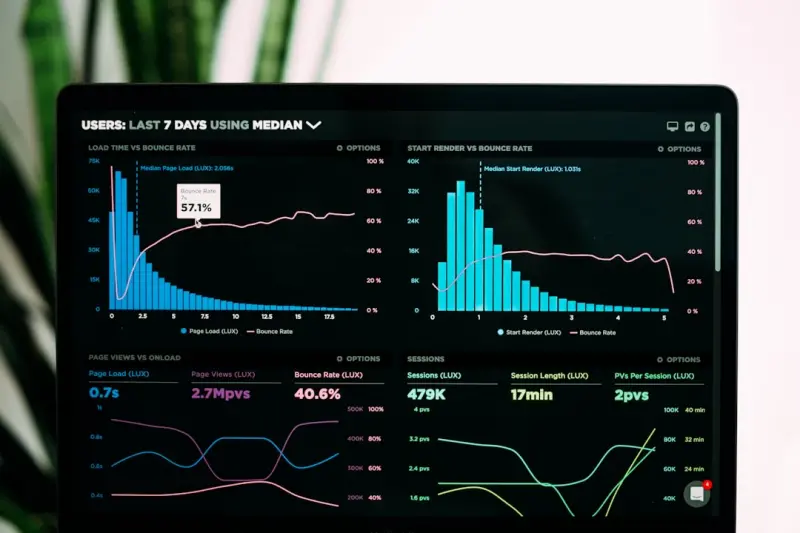
Your Personal Longevity Dashboard: Turning Data into Decades
A personal longevity dashboard transforms everyday health metrics into a clear, actionable roadmap for extending healthy lifespan. Discover how to gather data, ...Read More

The Unspoken Truth About Mental Health in Modern Society
Mental health is a critical issue that affects us all. Learn about the current state of mental health in modern society and how we can work towards creating a m...Read More

Reclaiming Rest: A Fresh Look at Insomnia
A comprehensive guide that reveals how lighting, digital habits, nutrition, movement, and mindfulness intertwine to combat insomnia, offering a practical 7‑da...Read More

Holistic Nutrition: Transforming Everyday Eating into Vibrant Health
Explore a holistic nutrition strategy that blends gut health, micronutrients, mindful eating, and personalized diet tweaks to boost energy, balance blood sugar,...Read More
0 Comments
Post Comment
You will need to Login or Register to comment on this post!