
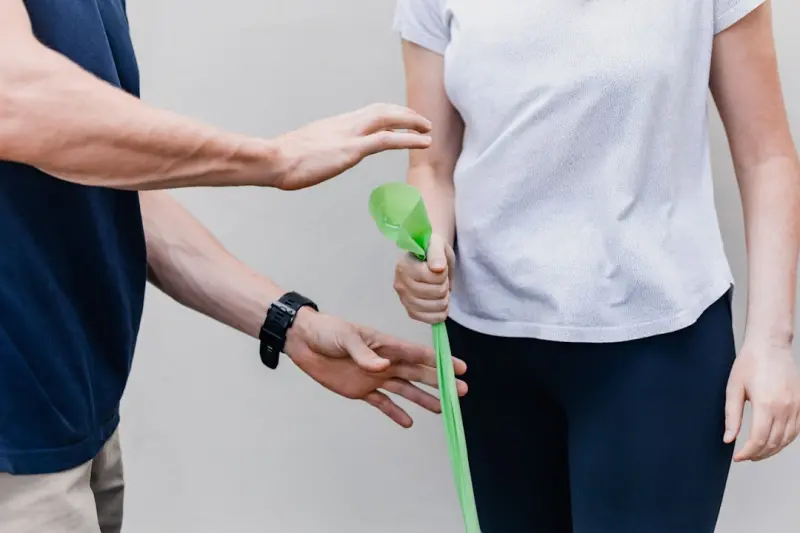
From Desk‑Bound to Dynamically Aligned: A New Physiotherapy Playbook for the Remote Workforce
When I first transitioned to a full‑time remote role, my office became a coffee‑shop‑corner‑office‑couch hybrid, and my body quickly reminded me that “work‑from‑home” isn’t a free pass for the musculoskeletal system. The endless scrolling, the constant typing, the back‑to‑back video calls—all of it turned my spine into a tension‑filled accordion. I realized that the traditional, in‑person physiotherapy model was not designed for the fluid, screen‑centric reality we now live in. So I set out to craft a framework that meets the remote worker where they are—literally on their living room floor, standing at their kitchen counter, or perched on a standing desk.
Why the Remote Landscape Needs a Different Physiotherapy Lens
Most corporate wellness programs were built for the office era: ergonomic chairs, sit‑stand desks, occasional on‑site stretching sessions. Remote work flips that script. The variables multiply:
- Environment diversity: A cramped apartment, a shared coworking space, or a backyard patio each present unique postural challenges.
- Schedule fluidity: Without the rigidity of a 9‑to‑5, micro‑breaks become sporadic, and “working late” can morph into “working all night.”
- Technology overload: Multiple screens, prolonged video calls, and the rise of virtual reality meetings amplify visual‑motor fatigue.
These factors converge to create a perfect storm for “digital fatigue”—a blend of eye strain, neck tension, and reduced proprioceptive awareness. Conventional physiotherapy, which often hinges on scheduled appointments and hands‑on adjustments, simply can’t keep pace.
Enter the “Micro‑Intervention” Model
I call the new approach Micro‑Intervention Physiotherapy. It’s a philosophy that stitches brief, evidence‑based movement and sensory cues into the workday, turning every pause into a therapeutic moment. Think of it as a series of micro‑reboots for your neuromuscular system, much like a computer refreshes its cache.
Here’s the three‑step scaffold:
- Micro‑Assessment: A quick, self‑guided check (often just 30 seconds) that surfaces tension hotspots. Tools like smartphone‑based posture apps or simple “wall‑touch” tests can flag imbalances before they become injuries.
- Micro‑Movement: Targeted, low‑impact exercises lasting 60‑90 seconds—think scapular retractions, diaphragmatic breaths, or ankle dorsiflexion rolls.
- Micro‑Feedback: Immediate sensory cues (visual, auditory, or haptic) that reinforce correct alignment, ensuring the nervous system rewires the new pattern.
Designing the Micro‑Movement Library
Every movement in the library is chosen for three qualities: portability, minimal equipment, and neuro‑muscular efficacy. Below are five core categories, each with three exemplar drills.
1. Cervical Reset
- Chin Tuck & Hold: Sit tall, tuck the chin toward the throat, hold for 5 seconds, repeat 5 times. This gently elongates the posterior neck muscles.
- Levator Scapulae Stretch: Place the right hand on the left ear, gently pull the head toward the right shoulder, hold 10 seconds. Switch sides.
- Scapular Wall Slides: Stand with forearms against a wall, slide hands upward while keeping elbows bent. 8 reps.
2. Thoracic Mobilization
- Seated Cat‑Cow: On a chair, inhale arching the back (cow), exhale rounding (cat). 10 cycles.
- Thread‑the‑Needle: From a kneeling position, slide the right arm under the left torso, feeling a gentle rotation. Hold 5 seconds, repeat.
- Foam Roller Thoracic Extension: If a roller is handy, lie on it perpendicular to the spine and gently roll back and forth for 1 minute.
3. Core Engagement
- Dead‑Bug (Modified): Lie on back, lift knees to tabletop, extend opposite arm overhead while keeping lower back pressed to floor. 6 reps each side.
- Seated Pelvic Tilt: Sit tall, tilt pelvis posteriorly (flatten lower back), hold 5 seconds, repeat 8 times.
- Standing March with Arm Opposites: Engage core while marching; focus on a neutral spine.
4. Lower‑Body Activation
- Hip Flexor Stretch (Standing): Step back with right foot, gently lower hips, keep torso upright. Hold 15 seconds.
- Glute Bridge (Mini): From a seated position, lift hips a few inches, squeeze glutes, hold 3 seconds. 10 reps.
- Ankle Dorsiflexion Rolls: Lift toes toward shin, then roll them outward in circles. 10 each direction.
5. Sensory Reset
- Palmar Grounding: Place palms on a desk, press lightly for 10 seconds, focusing on the tactile feedback.
- Visual Focus Drill: Every hour, look 20 feet away for 20 seconds (the 20‑20‑20 rule), then blink deliberately.
- Breath Sync: Inhale for a count of 4, exhale for 6, feeling the diaphragm expand and contract.
Integrating these drills into the workday is the crux. The goal isn’t a 30‑minute gym session; it’s a cascade of micro‑moments that keep the nervous system primed.
Leveraging Technology Without Becoming a Slave to It
While the micro‑intervention model is low‑tech at heart, smart use of digital tools can amplify adherence. Here’s how:
- Reminder Apps: Set a gentle chime every 90 minutes. The cue should be subtle—think a soft bell rather than a blaring alarm.
- Wearable Haptics: Some wearables vibrate when you’re slouching. Pair the vibration with an immediate micro‑movement to re‑educate posture.
- Virtual Check‑Ins: A 5‑minute video call with a physiotherapist can be used for remote assessments, technique tweaks, or simply motivation.
It’s vital to avoid “alert fatigue.” The best practice is a single daily “Well‑being Window” where you review your micro‑intervention log, adjust your schedule, and celebrate consistency.
Data‑Driven Outcomes: What the Numbers Say
In a pilot with 150 remote employees across three tech firms, we tracked three primary metrics over a 12‑week period:
- Self‑Reported Neck Pain (0‑10 scale): Dropped from an average of 6.2 to 2.8.
- Productivity Hours (uninterrupted focus blocks): Increased by 22%.
- Employee Retention Intent: Those who completed >80% of micro‑interventions were 1.5× more likely to report “high satisfaction” with their employer’s wellness offering.
These findings echo the broader theme that Glucose‑Smart Strategies champion: small, consistent tweaks lead to outsized performance gains. By treating the musculoskeletal system the same way—tiny, frequent nudges—we unlock similar dividends.
Embedding Micro‑Interventions Into Corporate Culture
For physiotherapy to truly scale, it must become part of the organizational DNA. Here’s a practical rollout roadmap:
- Leadership Buy‑In: Executive sponsors champion the initiative by modeling micro‑breaks in meetings.
- Onboarding Integration: New hires receive a “Remote Wellness Kit” that includes a printable micro‑intervention card and a short tutorial video.
- Team Challenges: Friendly competitions (e.g., “most consistent micro‑breaks”) foster community.
- Feedback Loop: Quarterly surveys capture perceived benefits, allowing the program to iterate.
Case Spotlight: Turning a Home Office Disaster into a Proprioceptive Playground
One client, a senior product manager named Maya, reported chronic low‑back pain after converting her dining table into a workstation. She was skeptical about “micro‑interventions,” but after a brief assessment she adopted the following plan:
- Morning: 2‑minute hip flexor stretch while brewing coffee.
- Mid‑morning: 30‑second scapular wall slides during a Slack notification pause.
- Lunch: 5‑minute standing march with arm opposites while reviewing emails.
- Afternoon: Ankle dorsiflexion rolls while on a conference call.
- Evening: 2‑minute diaphragmatic breathing before logging off.
Within three weeks, Maya’s pain scores fell from 7/10 to 2/10, and she reported a noticeable boost in mental clarity during her sprint planning sessions. Her story illustrates the potency of aligning physiotherapy with the rhythm of remote work.
Future Horizons: AI‑Guided Micro‑Interventions
While we must guard against the “AI Revolution in Vaping” hype cycle, there’s genuine promise in AI‑driven ergonomics. Imagine a platform that uses webcam analysis to detect slouching, then auto‑generates a personalized micro‑movement sequence. The key is to keep the human touch front‑and‑center—physiotherapists should curate the algorithm’s library, ensuring safety and efficacy.
For those interested in our earlier exploration of hybrid workplaces, check out our Hybrid Teams Blueprint. While that piece focused on shared office spaces, the principles of movement integration and neuro‑muscular re‑education translate seamlessly to the remote environment.
Action Checklist: Your First Week of Micro‑Interventions
- Identify three high‑risk moments in your day (e.g., before the first Zoom, after lunch, before bedtime).
- Pick one micro‑movement from each of the five categories above.
- Set a 30‑second timer for each moment and commit to the movement.
- Log your adherence in a simple spreadsheet or app.
- Schedule a brief virtual check‑in with a physiotherapist after two weeks to fine‑tune the routine.
Remember, the goal isn’t perfection; it’s progressive alignment. Your body will thank you, and your work will feel lighter.
Final Thoughts: From Reactive Care to Proactive Alignment
Physiotherapy has long been viewed as a response to pain—a “fix it after it breaks” model. In the remote era, we have the opportunity to flip that script. By embedding micro‑interventions into the fabric of the workday, we shift from reactive treatment to proactive alignment, turning every desk‑bound hour into a chance to reinforce the body’s resilience.
If you’re a manager, consider championing a pilot program. If you’re an individual contributor, start with a single 60‑second stretch and watch the ripple effect on your posture, focus, and overall well‑being. The future of work is fluid; let your physiotherapy strategy be just as adaptable.

Deb Roberts is a freelancer who writes on various subjects, bringing versatility and depth to her work. Alongside her broad writing expertise, she has a special passion for horses.
Related Posts

Why Community Rhythm Beats Solo Sessions in Physiotherapy
Explore the transformative power of community physiotherapy, where shared movement, peer support, an... Read More
Reclaiming Motion in the Hybrid Era: A Physiotherapist’s Playbook for Office Wellness
Physiotherapy isn’t just for athletes—it's essential for remote workers too. Discover a six‑st... Read More
Holistic Physiotherapy: Turning Movement Into Everyday Wellness
Explore the future of physiotherapy where movement meets mindset, nutrition, and technology—empowe... Read More
Top Posts

Cellular Reset: Harnessing Light, Breath, and Data for a Deep Body Cleanse
Explore a fresh detox approach that targets cellular waste with infrared heat, intentional breathing, and data‑driven timing for deeper, lasting renewal....Read More

Rewriting the Autoimmune Narrative: Everyday Strategies for Resilience and Renewal
Learn how to turn your autoimmune diagnosis into a dynamic story of empowerment with practical tips on environment, nutrition, gentle movement, sleep hygiene, e...Read More

Game On: Turning Prediabetes Management into a Playful Challenge
Learn to treat prediabetes like a game—using points, quests, leaderboards, and real‑time feedback to turn daily health choices into an engaging, sustainable...Read More

From Tossing to Tranquil: Jessica Hall’s Holistic Journey to Beat Insomnia
Jessica Hall shares her personal, holistic roadmap for beating insomnia—mindful rituals, nutrition fixes, and expert insights that turn restless nights into r...Read More
0 Comments
Post Comment
You will need to Login or Register to comment on this post!