
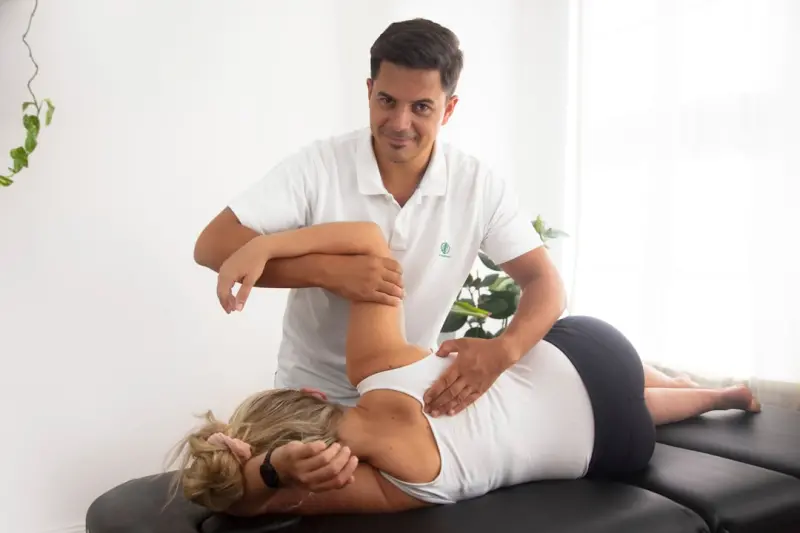
Why Physiotherapy Matters in a Hybrid World
When the office became a living room and the conference room turned into a kitchen table, I watched my colleagues—friends, partners, and clients—struggle with aches that no one had ever mentioned before. The shift to hybrid work didn’t just change the way we schedule meetings; it rewired how our bodies move (or don’t move) all day. As a physiotherapist who spends her days coaxing stubborn muscles back into cooperation, I’ve come to see the hybrid model as a physiotherapy opportunity rather than a disaster.
For many, the line between “work” and “home” has blurred, and with it, the natural cues that once prompted us to stand, stretch, and reset. The result? A surge in neck tension, lower‑back pain, and the dreaded “post‑Zoom slump.” But this isn’t a problem that has to be solved with a one‑size‑fits‑all ergonomic checklist. It’s a chance to re‑imagine how we embed movement, recovery, and resilience into the very fabric of our work culture.
Micro‑Movements: The New Currency of Office Health
Think of micro‑movements as the micro‑habits that keep our musculoskeletal system humming. Just as a data‑driven weight‑loss plan can transform a busy professional’s health, a series of intentional, bite‑sized movement breaks can turn a sedentary day into a series of mini‑rehabilitation sessions.
Here’s a quick starter kit I’ve been sharing with my hybrid teams:
- Desk‑to‑Wall Lunges (30 seconds each side): Stand, place one foot against a wall, and gently slide into a lunge. Feel the stretch in the hip flexors—those sneaky culprits behind lower‑back pain.
- Neck Release Rolls (10 reps): Slowly roll your head in a full circle, then reverse direction. This releases the tension built from staring at a screen for hours.
- Shoulder Blade Squeezes (15 reps): Pinch the shoulder blades together, hold for three seconds, and release. It re‑engages the rhomboids and traps that often go dormant while typing.
- Seated Cat‑Cow (1 minute): While seated, arch your back and look up (cow), then round your spine and tuck the chin (cat). This keeps spinal mobility fluid.
These moves take less than a minute each and can be slotted into any calendar invite without breaking workflow. The key is consistency—just as a data‑driven approach to nutrition relies on daily logging, micro‑movements thrive when logged, measured, and celebrated.
Tele‑Physio: Bridging the Distance Gap
One of the biggest myths about remote work is that you lose access to professional support. In reality, tele‑physio has exploded, offering real‑time assessments via video, personalized exercise prescriptions, and even AI‑powered form checks.
During a recent virtual session, I used a simple smartphone camera to assess a client’s squat depth. By guiding them through a few cues, I identified a subtle valgus knee pattern that would have otherwise gone unnoticed. The client then received a custom set of glute‑activation drills that they could do between meetings. Within two weeks, their discomfort vanished, and they reported a boost in confidence during video calls.
Integrating tele‑physio into corporate wellness programs isn’t just a nice‑to‑have; it’s a strategic advantage. It reduces the “wait‑and‑see” mentality, cuts down on sick days, and builds a culture where employees feel seen—even when they’re on opposite sides of a screen.
Data‑Driven Recovery: From Wearables to Real‑World Relief
If you’ve ever marveled at how companies turn glucose levels into a KPI (Steady Glucose, Steadier Performance), you’ll appreciate the next frontier: using wearable data to inform physiotherapy interventions.
Modern wearables can track:
- Heart‑rate variability (HRV) – a window into autonomic stress.
- Posture metrics – many devices now vibrate when you slouch.
- Activity bursts – how often you stand, walk, or sit.
When combined with physiotherapy expertise, this data becomes a feedback loop. For example, a spike in HRV may signal over‑training or inadequate recovery, prompting a targeted foam‑rolling routine. Persistent slouch alerts can trigger a quick “posture reset” video call with a therapist who walks the employee through shoulder blade activation.
The power of this approach lies in its personalization. No longer do we rely on generic stretch posters; we deliver precision movement therapy based on each person’s lived data.
Building a Culture of Movement
Culture isn’t built by policy alone—it’s nurtured through stories, rituals, and visible leadership. Here’s how I’ve helped companies embed movement into their DNA:
- Movement Champions: Identify enthusiastic employees who model micro‑movements, host quick “stretch sprints,” and share their progress on internal channels.
- Scheduled “Active Breaks”: Replace the traditional coffee break with a five‑minute guided mobility session. Even a short video from a physiotherapist can keep the habit top‑of‑mind.
- Gamified Challenges: Use point systems for completed movement logs, offering small rewards (like ergonomic accessories) for milestones.
- Leadership Participation: When executives join the movement, it sends a powerful message that health isn’t a peripheral perk—it’s central to performance.
These tactics turn movement from a “nice‑to‑have” into a shared language of resilience.
Practical Tools for Teams
Below are resources you can deploy today, no matter the size of your organization:
- Movement Library: A curated playlist of 2‑minute videos covering neck rolls, desk lunges, and hip flexor stretches. Host it on your intranet for on‑demand access.
- Ergonomic Quick‑Check Templates: Simple checklists that employees can fill out in five minutes, prompting them to adjust chair height, screen level, and keyboard angle.
- Wearable Integration Guides: Step‑by‑step instructions for syncing popular devices with your wellness platform, enabling real‑time alerts and personalized suggestions.
- Tele‑Physio Referral Pathway: A streamlined process where employees can book a virtual session with a licensed physiotherapist in under 48 hours.
These tools create a seamless experience, ensuring that movement and recovery are as easy to access as the latest software update.
Case Study: From Desk‑Bound Fatigue to Functional Freedom
Let me share a story that illustrates the power of a holistic physiotherapy approach. A mid‑size tech firm approached me after noticing a spike in employee‑reported back pain during their quarterly wellness survey. Their initial response was to send out an ergonomic guide—a classic, but insufficient, solution.
We implemented a three‑phase program:
- Assessment & Data Capture: Employees completed a short movement questionnaire and synced their wearables for posture data.
- Micro‑Movement Integration: Daily 1‑minute movement prompts were added to their calendar, tailored to each individual’s pain hotspots.
- Tele‑Physio Follow‑Up: Employees with persistent discomfort received virtual consultations, resulting in personalized corrective exercise plans.
Six weeks later, the company reported a 40% reduction in self‑reported back pain, a 22% increase in productivity scores, and an unexpected boost in morale. The success was not just in the numbers but in the stories of people who finally felt comfortable standing up from their desks without a wince.
This transformation mirrors the principles found in other wellness domains. Just as Digital Detox Rituals help employees reclaim sleep, physiotherapy helps them reclaim movement.
Looking Ahead: The Future of Physiotherapy in the Workplace
We’re standing at a crossroads where technology, data, and human-centered design converge. The next wave of workplace health will likely feature:
- AI‑Guided Movement Coaching: Real‑time form correction via computer vision, ensuring exercises are performed safely.
- Integrated Health Dashboards: Combining ergonomic scores, wearable metrics, and physiotherapy outcomes into a single, actionable view for managers.
- Hybrid‑First Rehab Programs: Structured plans that blend in‑office manual therapy with remote guided exercise, offering flexibility without sacrificing efficacy.
By embracing these trends now, leaders can position their organizations as pioneers of a healthier, more resilient workforce. The message is clear: physiotherapy isn’t a reactionary service for injuries—it’s a proactive strategy that fuels performance, creativity, and long‑term employee satisfaction.
Take the First Step Today
If you’re ready to turn the hybrid work model into a catalyst for musculoskeletal health, start small. Choose one micro‑movement to champion, schedule a pilot tele‑physio session, and invite your leadership team to join the next “active break.” The ripple effect will be felt across your organization, turning everyday desks into platforms for functional freedom.

Nikki McDonald is a freelancer based in Waterloo. She brings her skills and expertise to various projects, balancing her professional work with a personal life that includes her husband, Stewart.
Related Posts
Desk‑Bound No More: Crafting a Self‑Guided Physiotherapy Routine for Remote Professionals
Discover a four‑pillar framework—Awareness, Activation, Alignment, and Adaptation—that lets re... Read More
Gamified Physiotherapy: Turning Rehab into Playful Progress
Traditional physiotherapy exercises often suffer from low adherence and boredom. This post explores ... Read More
Your Desk as a Physiotherapy Hub: Turning Everyday Work into Movement‑Based Healing
Learn to convert your office chair into a low‑intensity physiotherapy station using movement micro... Read More
Top Posts
Decoding Autoimmune Signals for Everyday Control
A practical guide that turns autoimmune flare‑ups from unpredictable crises into manageable patterns through symptom tracking, tiny lifestyle tweaks, and leve...Read More
Rethink Your Glucose: A Data‑First Path to Stable Blood Sugar
A practical guide that turns continuous glucose data into actionable daily habits, leveraging micro‑movement, personalized nutrition analytics, and community ...Read More

Embracing Healthy Aging: A Holistic Approach to a Vibrant Life
Healthy aging is a journey, not a destination. Learn how to navigate the challenges of aging with a holistic approach, incorporating nutrition, gut health, stre...Read More

When Stories Meet Science: A New Lens on Women’s Health
Discover how storytelling, playful movement, gut‑friendly nutrition, and wearable tech can reshape women’s health, turning everyday moments into powerful al...Read More
0 Comments
Post Comment
You will need to Login or Register to comment on this post!