
Why Blood Sugar Stability Is the Unsung Hero of Workplace Performance
When I first stepped into the world of corporate wellness, the conversation always swirled around energy drinks, coffee breaks, and the occasional salad bar. I quickly realized that a deeper, quieter player was dictating our focus, creativity, and even our ability to collaborate: blood sugar. Not the flashy, “low‑carb” hype you see on Instagram, but the subtle, day‑to‑day fluctuations that can turn a high‑performing team into a jittery, foggy mess.
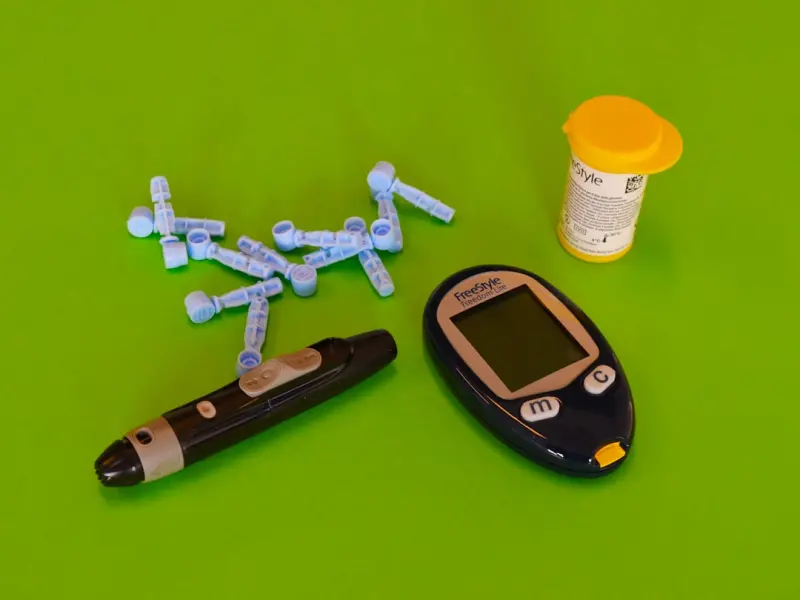
My own wake‑up call came on a Tuesday morning when I was presenting a critical pitch. Halfway through, my brain went from laser‑sharp to a sluggish, sand‑filled hourglass. I blamed the lack of sleep, then the meeting length, until I finally checked my glucose monitor (yes, I wear one on my wrist now). The numbers were hovering at 70 mg/dL – the low‑end of normal. That dip was the silent saboteur of my confidence.
Since that day, I’ve been obsessively mapping the hidden levers that keep blood sugar steady, especially in high‑pressure office environments. Below is my playbook for turning blood sugar from a hidden risk into a reliable asset for you and your team.
The Science in Plain English: What Really Moves Glucose?
At its core, blood sugar is the fuel that powers every cell in our bodies. It’s primarily regulated by two hormones:
- Insulin – the “gatekeeper” that tells cells to absorb glucose from the bloodstream.
- Glucagon – the “release valve” that signals the liver to dump stored glucose when levels dip.
But the story doesn’t end there. Stress hormones like cortisol and adrenaline can override these mechanisms, causing spikes (the classic “rush” after a stressful deadline) or crashes (the dreaded “afternoon slump”). Add in the impact of sleep, hydration, and even the office lighting, and you have a complex orchestra that can go out of tune in minutes.
Three Workplace Stressors That Hijack Glucose
While diet is the obvious lever, I’ve identified three non‑nutritional stressors that repeatedly destabilize blood sugar in office settings:
- Constant Digital Noise – Notifications, instant messaging, and the “always‑on” culture trigger the fight‑or‑flight response, flooding the body with cortisol.
- Inconsistent Meal Timing – Meetings that run over lunch, back‑to‑back calls, and “quick snacks” lead to erratic glucose peaks and troughs.
- Environmental Glitches – Poor lighting, uncomfortable temperature, and lack of movement reduce insulin sensitivity over time.
Addressing these three can dramatically improve glucose stability without demanding a complete diet overhaul.
Micro‑Reset Rituals: The 5‑Minute Breath‑Break
One of the simplest, most under‑utilized tools is intentional breathing. A five‑minute breath‑break can lower cortisol by up to 30% within minutes, allowing insulin to do its job more efficiently.
Here’s my go‑to routine, which I practice twice a day – once before the morning rush and once after lunch:
- Step 1: Grounding – Sit upright, feet flat, eyes closed. Inhale through the nose for 4 counts, hold for 2, exhale through the mouth for 6.
- Step 2: Box Breathing – 4‑4‑4‑4 pattern for two minutes. This rhythm syncs heart rate variability, a key marker of stress resilience.
- Step 3: Visualization – Imagine a steady stream of glucose flowing smoothly through your veins. Pair this with a gentle mantra like “steady and strong.”
Do this before a high‑stakes meeting or when you feel the post‑lunch dip creeping in. The physiological shift is immediate, and your team will notice the calmer, more focused presence you bring to the table.
Strategic Snack Architecture: Build a Glucose‑Friendly Buffer
Snacking isn’t the enemy – it’s the timing and composition that matter. I call this the Snack Architecture model:
- Protein First – Aim for 10‑15 g of high‑quality protein (Greek yogurt, boiled eggs, or a handful of nuts). Protein triggers a modest insulin response that smooths glucose spikes.
- Fiber Companion – Pair protein with soluble fiber (berries, chia seeds, or a small apple). Fiber slows carbohydrate absorption, extending the energy release.
- Healthy Fat Finish – Add a spoonful of almond butter or avocado. Fat further delays glucose entry into the bloodstream, creating a plateau rather than a peak.
My favorite office snack combo is a Greek‑yogurt parfait layered with mixed berries, a drizzle of chia seed jam, and a sprinkle of walnuts. It’s portable, satisfies cravings, and keeps glucose in the 90‑110 mg/dL sweet spot for up to three hours.
Leveraging Seasonal Food Cycles for Glucose Consistency
Seasonal foods aren’t just trendy – they align with our bodies’ natural metabolic rhythms. When we eat what’s in season, we’re working with the environment that shaped our ancestors’ insulin responses. For a deeper dive into how seasonal cycling can boost overall resilience, check out Cultivating a Resilient Gut Through Seasonal Food Cycling. The same principles translate to steadier blood sugar, especially when you pair seasonal produce with the snack architecture above.
Designing Your Workspace for Glucose Harmony
Physical environment is a silent driver of metabolic health. Here are three design tweaks that have shown measurable improvements in glucose stability:
- Natural Light Zones – Position workstations near windows or use daylight‑simulating lamps. Light exposure helps regulate circadian rhythms, which in turn optimize insulin sensitivity.
- Movement Micro‑Stations – Install standing desk converters, balance boards, or even a simple “stretch corner.” A 5‑minute walk every two hours can increase GLUT‑4 transporter activity, helping muscles take up glucose more efficiently.
- Hydration Hubs – Place filtered water stations strategically. Dehydration can masquerade as low blood sugar, prompting unnecessary snacking.
These changes don’t require a full office remodel. Small, intentional adjustments can create a “glucose‑friendly” ecosystem that supports sustained performance.
Data‑Driven Personalization: The Power of Continuous Glucose Monitors (CGMs)
While I’m not advocating a medical device for everyone, many high‑performing professionals now wear CGMs to gain real‑time insights. The data can reveal hidden patterns:
- Identifying “Silent Peaks” – A post‑coffee spike that crashes an hour later.
- Spotting Stress‑Induced Dips – A dip that coincides with a heated negotiation.
- Optimizing Meal Timing – Aligning lunch with the body’s natural insulin response window.
If you’re curious, start with a 14‑day trial and keep a simple log: note the activity, stress level, and glucose trend. Over time, you’ll see patterns that inform smarter choices without the guesswork.
Integrating Glucose Awareness into Team Culture
Creating a culture that respects glucose stability doesn’t mean policing food choices – it’s about fostering awareness and supportive habits.
- Education Sessions – Host a monthly “Metabolism Minute” where a nutritionist explains a quick tip (e.g., why a 20‑minute walk after lunch matters).
- Shared Snack Boards – Rotate a “Glucose‑Friendly Snack” board in the kitchen, featuring protein‑fiber‑fat combos and seasonal fruit ideas.
- Flexible Scheduling – Encourage employees to schedule “focus blocks” when their personal glucose levels are optimal (often mid‑morning). This aligns with the concept of energy equity discussed in Rewriting Your Blood‑Sugar Narrative, but we’ll take it a step further by making it a team‑level practice.
Future‑Proofing Your Career With Glucose Intelligence
In a rapidly evolving work landscape, the ability to sustain high cognitive performance is a competitive advantage. By mastering glucose management, you’re essentially future‑proofing your career. Think of it as a strategic investment: just as you would upskill in data analytics or leadership, you’re now upskilling your metabolic literacy.
If you want a broader view on building long‑term career resilience, I recommend exploring The Longevity Playbook. The same principles of adaptability and proactive health management apply directly to glucose stability.
Action Plan: 7 Days to a More Stable Glucose Profile
Ready to test this out? Here’s a practical 7‑day challenge that integrates the strategies above:
- Day 1 – Baseline Check: If you have a CGM or can borrow one, record your glucose for 24 hours. Note meal times, stress events, and energy levels.
- Day 2 – Breath‑Break Integration: Add two 5‑minute breath‑breaks (morning & post‑lunch). Log any change in perceived stress.
- Day 3 – Snack Architecture: Replace your usual vending‑machine snack with the protein‑fiber‑fat combo. Track hunger and focus.
- Day 4 – Light & Movement: Position your desk near a window and schedule a 5‑minute stretch every two hours.
- Day 5 – Hydration Hub: Keep a water bottle at your desk and aim for 2 L. Note any cravings that subside.
- Day 6 – Seasonal Meal: Prepare a lunch using in‑season vegetables (e.g., roasted root veg in winter) paired with lean protein.
- Day 7 – Review & Adjust: Compare your glucose data (if available) and subjective notes. Identify the top three actions that gave the biggest stability boost.
Most people see a noticeable reduction in mid‑afternoon crashes and a clearer mind during high‑stakes meetings after this short experiment.
Wrapping It Up: From Hidden Saboteur to Strategic Asset
Blood sugar isn’t just a medical metric; it’s a performance indicator that can be nurtured like any other workplace KPI. By addressing digital stress, timing meals strategically, optimizing the physical environment, and embedding micro‑habits such as breath‑breaks, you can transform glucose from a hidden saboteur into a strategic asset for yourself and your organization.
Remember, the goal isn’t perfection – it’s consistency. Small, sustainable tweaks compound over weeks and months, delivering a workforce that’s not only more productive but also healthier, more resilient, and ready to tackle whatever challenges lie ahead.
Take the first step today. Your brain, your team, and your bottom line will thank you.

Becky Putman is an Ottawa-based freelance writer and marketing professional with a passion for storytelling, animals, and community involvement. She enjoys creating engaging content that informs, inspires, and connects with readers.
Related Posts

Breathwork and Rhythm: A Fresh Path to Balanced Blood Sugar
Learn a simple, sustainable approach to blood sugar management using breathwork, rhythmic movement, ... Read More

Cold Showers & Breathwork: A New Frontier for Blood Sugar Management
Explore a practical daily protocol that combines cold showers and structured breathing to improve in... Read More
Building a Workplace Ecosystem for Stable Blood Sugar
Discover a holistic framework that blends wearable data, nutrient architecture, micro‑movements, c... Read More
Top Posts

Flavor Architecture: Nutrition That Trains Your Brain
Discover the concept of flavor architecture—using color, texture, and aroma to design meals that not only nourish the body but also train the brain for sharpe...Read More

When the Office Thermostat Betrays Your Liver: Climate‑Driven Strategies for Cellular Wellness
Explore the hidden impact of ambient temperature on liver health and get actionable strategies—like thermal breaks, smart thermostats, and hydration tweaks—...Read More
Rethinking Blood Pressure: How Micro‑Movements and Real‑Time Data Are Changing the Game
A fresh approach to blood pressure management combines micro‑movements, wearable biofeedback, and neuro‑fitness, turning everyday actions into powerful tool...Read More

The Nighttime Reset: Playful Experiments to Transform Insomnia
Treat insomnia as a sandbox for experiments. Track key variables, try low‑effort tweaks like light filters, temperature drops, and micro‑rituals, then itera...Read More
0 Comments
Post Comment
You will need to Login or Register to comment on this post!