

Re‑imagining Physiotherapy in a Holistic World
I’ve spent years watching patients walk through clinic doors with pain, frustration, and a sense that traditional stretches alone weren’t enough; today, that narrative is shifting dramatically. Physiotherapy is no longer a siloed discipline but a gateway to whole‑body wellness, where movement intertwines with nutrition, mindset, and lifestyle. The modern therapist listens not just to the knee or back, but to the story behind the symptom, recognizing that chronic tension often stems from stress, sleep debt, or even gut imbalance. By embracing this broader lens, we empower patients to become active architects of their recovery, turning every session into a collaborative journey toward sustainable health.
The Power of Movement as Medicine
When I first introduced the concept of “exercise as celebration” to a client who dreaded workouts, the transformation was palpable; they began to view each rep not as a chore but as a joyful affirmation of what their body could achieve. This shift mirrors the insights from exercise as celebration, where the emotional framing of activity can unlock neurochemical rewards that enhance adherence. By integrating rhythmic breathing, music, and purpose‑driven goals, we convert ordinary physiotherapy drills into uplifting experiences that boost dopamine, reduce perceived effort, and foster long‑term habit formation. The result is a client who not only recovers faster but also carries that enthusiasm into daily life, turning sidewalks into studios and grocery aisles into opportunities for functional movement.
Personalized Assessments: The Blueprint for Success
Every assessment I conduct now feels like drafting a personalized blueprint, where I map not just the musculoskeletal deficits but also lifestyle patterns, dietary habits, and stress triggers. This comprehensive snapshot allows me to design interventions that address root causes, such as poor posture stemming from prolonged screen time or inflammation linked to a gut‑friendly diet. By collaborating with nutritionists and mental‑health coaches, we create a multidisciplinary support network that mirrors the interconnectedness highlighted in many holistic health journeys. The outcome is a treatment plan that evolves with the client, adapting to new challenges and celebrating incremental victories, ensuring that progress feels both measurable and meaningful.
Technology’s Role in Modern Physiotherapy
Telehealth platforms and wearable sensors have become indispensable tools, offering real‑time feedback and expanding access beyond the clinic walls. I recently integrated a motion‑capture app that flags compensatory patterns during home exercises, allowing me to intervene before bad habits solidify. This digital augmentation aligns with the cutting‑edge insights from holistic trends shaping physiotherapy, where data‑driven insights enhance the therapist’s intuition. The blend of human empathy and technology creates a feedback loop that accelerates healing, while also empowering patients to take ownership of their progress through visual dashboards and gamified milestones.
Empowering Patients Through Education and Self‑Care
Education is the cornerstone of lasting change; I spend as much time teaching the “why” behind each movement as I do demonstrating the “how.” When clients understand the neurophysiological pathways that link breath, posture, and pain, they become proactive problem solvers rather than passive recipients. Simple self‑care rituals—like diaphragmatic breathing before stretching or a brief mindfulness pause after a session—embed resilience into their daily routine. This empowerment mirrors the broader holistic philosophy that health is a continuous, self‑directed practice, not a finite series of appointments, and it cultivates a sense of agency that fuels long‑term adherence.
Special Populations: Tailoring Holistic Care
Women, seniors, and athletes each present unique physiological and psychosocial considerations, demanding customized strategies that honor their distinct needs. For example, integrating holistic strategies for women—such as hormone‑balanced nutrition and pelvic floor awareness—can dramatically improve outcomes for female clients dealing with post‑partum or menopause‑related musculoskeletal changes. Similarly, senior patients benefit from low‑impact functional training paired with balance‑enhancing exercises that reduce fall risk while promoting independence. By recognizing these nuances, we create inclusive, respectful programs that celebrate each individual’s life stage and goals.
Looking Ahead: Community and Collaborative Growth
The future of physiotherapy lies in community‑driven ecosystems where therapists, coaches, and patients co‑create health narratives. Peer‑support groups, virtual workshops, and community challenges foster a sense of belonging that amplifies motivation and accountability. As we continue to break down silos, we’ll see more integrated health hubs where physiotherapy sits alongside nutrition counseling, mental‑wellness services, and movement‑based education. This collaborative model not only enhances clinical outcomes but also democratizes access to high‑quality care, ensuring that every individual—regardless of geography or socioeconomic status—can tap into the transformative power of holistic physiotherapy.
Join the Movement: Your Journey Starts Now
If you’re reading this and feeling a spark of curiosity, I invite you to explore how a holistic physiotherapy approach can rewrite your health story. Reach out for a complimentary movement assessment, dive into the resources linked throughout this post, and consider joining a local wellness circle where shared experiences become catalysts for growth. Remember, every step—no matter how small—propels you toward a stronger, more vibrant version of yourself, and together we can turn the ordinary act of moving into an extraordinary celebration of life.

Sarah Gray is a proud Canadian who calls Brampton home, where she lives with her husband, Paul. A passionate home cook and gifted storyteller, Sarah loves creating delicious recipes and sharing stories inspired by everyday life, family, and cherished experiences. When she isn't experimenting in the kitchen, she's busy crafting engaging content that reflects her warmth, creativity, and love of connection. Above all, Sarah treasures time spent with her grandchildren, embracing every opportunity to create lasting memories with the people she loves most.
Related Posts
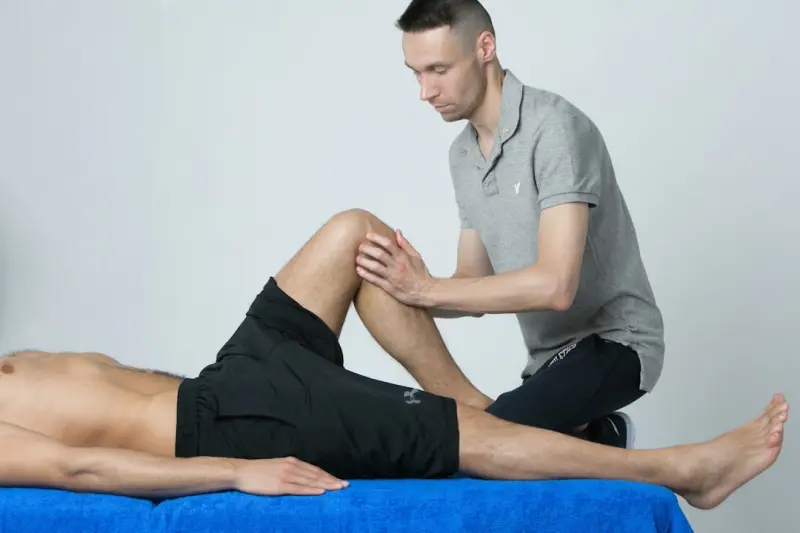
Reimagining Recovery: How Your Home Can Become a Physiotherapy Ally
Learn how to transform your living space into a therapeutic ally with movement-friendly design, wear... Read More

When Movement Becomes a Narrative: Reframing Physiotherapy for Modern Lives
Physiotherapy isn’t just stretches and exercises; it’s a story. By integrating narrative techniq... Read More
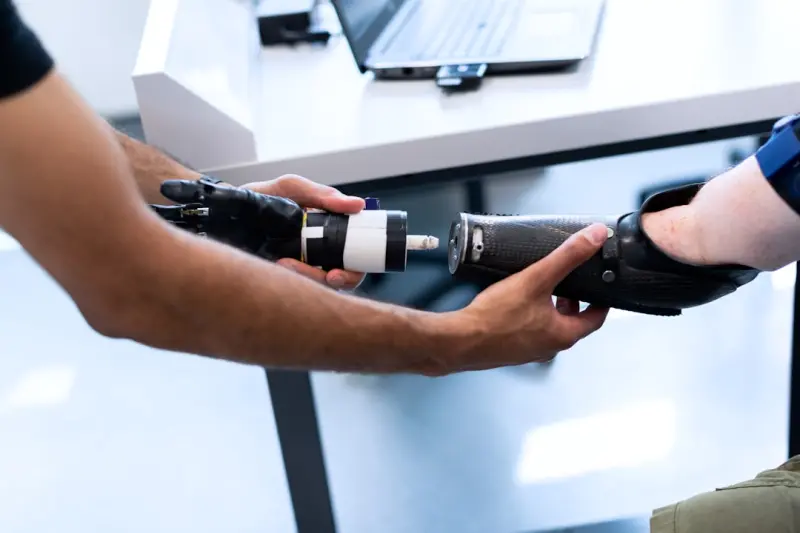
Immersive Tech Meets Hands‑On Healing: Redefining Physiotherapy
Immersive technologies are reshaping physiotherapy, turning routine exercises into interactive, data... Read More
Top Posts
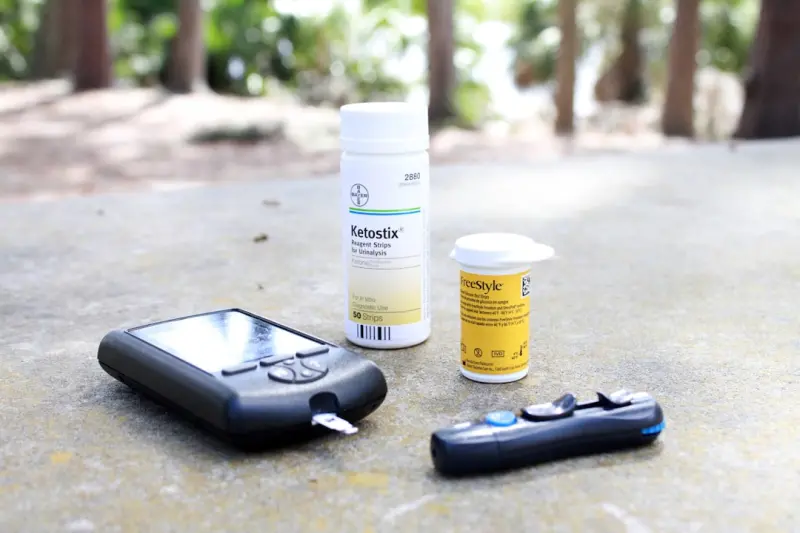
Turning Data Into Glycemic Gold: Build a Personal Dashboard for Blood Sugar Mastery
A practical guide to designing a real‑time blood‑sugar dashboard that integrates CGM data, activity, stress, and nutrition, turning raw numbers into actiona...Read More

Sleep Terrors Decoded: Why Your Nightmares Might Be a Secret Superpower
A deep dive into the mysterious world of sleep terrors, uncovering their hidden messages and offering actionable steps to turn night‑time fear into daytime st...Read More

Manage Blood Pressure Like a Pro: Craig Brett’s Holistic Playbook
Craig Brett shares a holistic, science‑backed roadmap for mastering blood pressure, blending diet, movement, stress relief, and whole‑self wellness....Read More

Beyond Medication: Lifestyle Hacks to Tame Your Blood Pressure
Explore a holistic, data‑driven approach to managing blood pressure with simple breathwork, micro‑movements, nutrition tweaks, and recovery strategies that ...Read More
0 Comments
Post Comment
You will need to Login or Register to comment on this post!