

Living with an autoimmune condition feels a bit like being the only person at a party who’s allergic to the confetti. Everyone else seems to be dancing, while you’re constantly scanning the room for hidden triggers, adjusting your posture, your diet, your thoughts, and even the way you breathe. I’m Deb Roberts, and after years of navigating the invisible maze of autoimmune flare‑ups, I’ve learned that the journey isn’t just about managing symptoms—it’s about reclaiming agency, building resilience, and discovering unexpected allies in the most ordinary corners of life.
Why the Word “Autoimmune” Is Both a Diagnosis and a Narrative
When a doctor says, “You have an autoimmune disease,” the phrase lands like a label on a blank canvas. It tells you what’s happening inside—your immune system has turned from protector to rogue agent—but it says almost nothing about the person you are, the life you want, or the strategies that can actually shift the tide. That gap is where narrative medicine steps in. By framing your condition as part of a larger story, you stop seeing it as a static verdict and start seeing it as a dynamic plot you can influence.
Stories matter because they shape perception. If you constantly hear “autoimmune disease = chronic pain,” you begin to expect pain, and the brain’s predictive coding amplifies it. Conversely, weaving a story that emphasizes moments of control—like a day when a specific food didn’t cause a flare—creates mental pathways that can actually dampen the immune over‑reaction. It’s not mystical; it’s neuro‑immunology in action.
Environmental Micro‑Ecology: The Quiet Architect of Flare‑Ups
Most of us think of “environment” as the air we breathe or the city we live in, but there’s an entire universe of microscopic life living on our skin, in our homes, and, most importantly, in our gut. Recent research suggests that a less diverse indoor microbiome can subtly nudge the immune system toward aggression. Think of your home as a garden; the richer the soil, the healthier the plants.
Simple, low‑tech interventions can make a massive difference:
- Introduce natural textiles. Swap synthetic carpets for wool or hemp rugs. These fibers host a broader array of benign microbes.
- Ventilate wisely. Open windows for 10‑15 minutes each morning to let fresh outdoor air mingle with indoor microbes, creating a balanced microbial cloud.
- Houseplants as bio‑filters. Certain species, like spider plants and peace lilies, not only improve air quality but also release volatile organic compounds that support a diverse indoor microbiome.
When you start treating your living space as an ecosystem rather than a sterile box, you give your immune system the subtle cues it needs to stay calm.
Food as Dialogue, Not Dictation
Most dietary advice for autoimmune conditions comes wrapped in absolutes: “Eliminate gluten,” “Go low‑FODMAP,” “Avoid nightshades.” While these guidelines can be life‑saving for some, they often feel like a culinary prison for others. The key is to turn food into a conversation rather than a command.
Here’s a three‑step framework I use with my clients:
- Baseline Mapping. Keep a simple notebook for two weeks. Write down everything you eat, the time of day, and any symptoms that follow. Look for patterns, not isolated incidents.
- Targeted Re‑introduction. Choose one food group you suspect might be problematic and re‑introduce it in a controlled way—say, a small portion once a week—while tracking reactions.
- Iterative Adjustment. If symptoms spike, pause and consider not just the food but the context: stress level, sleep quality, medication timing. Often the same food is tolerated differently depending on those variables.
This method respects your body’s intelligence and avoids the “one‑size‑fits‑all” trap that many popular diet plans fall into.
Movement as a Gentle Re‑Education of the Immune System
When I first learned about my autoimmune condition, the instinctive reaction was to protect my joints by staying still. That, however, only fed the “use it or lose it” principle in the opposite direction—muscles atrophied, joints stiffened, and inflammation surged. The solution isn’t high‑intensity interval training; it’s purposeful, low‑impact movement that signals to the immune system, “We’re safe, we’re in control.”
Consider incorporating these practices:
- Micro‑mobility breaks. Set a timer every hour to stand, stretch, and roll your shoulders for a minute. These tiny bursts keep circulation flowing without taxing the body.
- Grounded flow. Yoga or tai chi sessions that emphasize breath‑linked movement help regulate the autonomic nervous system, shifting it from a sympathetic (fight‑or‑flight) state to a parasympathetic (rest‑and‑digest) mode.
- Resistance with resistance bands. Light bands allow you to maintain muscle tone without the joint compression that heavy weights can cause.
The goal isn’t to become a marathoner overnight but to teach the immune system that activity, when done mindfully, is a sign of health, not a threat.
Sleep: The Unseen Negotiator Between Brain and Immunity
If you’ve ever felt a flare after a night of restless tossing, you already know that sleep isn’t just a luxury—it’s a negotiation table where the brain and immune system settle their scores. During deep REM and slow‑wave sleep, the body releases cytokines that help modulate inflammation. Disrupt that process, and the immune system can go rogue.
Here are three evidence‑based habits that have helped my own sleep architecture:
- Consistent wind‑down ritual. Dim the lights, turn off screens at least 30 minutes before bed, and engage in a calming activity—reading, gentle stretching, or a short gratitude journal.
- Temperature control. Keep the bedroom cool (around 65°F/18.5°C). A slight drop in core temperature signals the body it’s time to enter deep sleep.
- Limit caffeine after noon. Even small amounts can linger in the system and interfere with the natural cortisol rhythm, making it harder to transition into restorative sleep.
When you prioritize these habits, you give your immune system a reliable cue that it can stand down for the night, reducing the likelihood of morning flare‑ups.
Emotional Resilience: Training the Mind to Calm the Body
Emotion and immunity are wired together through the vagus nerve, the body’s main “talk back” pathway. Chronic stress, anxiety, and even unresolved grief can keep the vagus nerve in a low‑tone state, perpetuating inflammation. Building emotional resilience isn’t about suppressing feelings—it’s about creating a mental space where you can observe them without triggering a physiological alarm.
My personal go‑to practices include:
- Micro‑mindfulness. A five‑minute pause mid‑day to notice your breath and body sensations. This simple act resets the sympathetic nervous system.
- Journaling with intent. Rather than a stream‑of‑consciousness, I ask myself three questions: “What am I feeling right now? What might be the root of this feeling? How can I respond with kindness?”
- Creative expression. Whether it’s doodling, knitting, or playing a simple melody, the act of creating redirects neural pathways away from rumination and toward flow.
These tools may seem modest, but over weeks and months they accumulate, strengthening the vagal tone and providing a buffer against the immune system’s over‑reaction.
Community as a Therapeutic Modality
Isolation is a silent accelerator of autoimmune symptoms. When you’re the only one who understands the daily calculus of medication timing, diet, and fatigue, the mental load can become overwhelming. Connecting with others who share similar challenges creates a feedback loop of empathy, practical tips, and emotional validation.
Consider these avenues for building community:
- Online forums with moderated discussion. Look for spaces where members share data‑driven experiences rather than anecdotal hype.
- Local meet‑ups or support groups. Face‑to‑face interaction often deepens the sense of belonging and provides a platform for sharing tangible resources, like local dietitians familiar with autoimmune protocols.
- Peer‑led workshops. Many organizations now offer workshops on topics such as stress‑reduction techniques, gentle movement, or cooking for inflammation control, all led by people living the condition themselves.
When you feel seen and heard, the stress hormone cascade eases, and your immune system receives a clear “all is well” signal.
Integrating Technology Without Becoming a Data Slave
Wearables, symptom‑tracking apps, and AI‑driven health platforms can be powerful allies—but only when they serve your narrative, not the other way around. I’ve experimented with a few tools that strike a balance between insight and overwhelm:
- Simple symptom diaries. A basic spreadsheet with columns for sleep, diet, stress level, and flare severity can reveal trends without drowning you in charts.
- Smart sleep trackers. Devices that focus on heart‑rate variability (HRV) give you a quick snapshot of autonomic balance, a useful proxy for inflammation risk.
- AI‑enhanced nutrition apps. Some platforms now suggest meals based on your logged symptoms, but always cross‑reference with a qualified nutritionist.
Remember: technology is a tool, not a master. Use it to inform your decisions, not dictate them.
Bridging the Gut‑Brain‑Immune Axis: A Practical Experiment
One of the most promising frontiers in autoimmune research is the gut‑brain‑immune axis. The idea is simple: the microbes in your intestines produce metabolites that travel to the brain and influence immune signaling. While the science is still evolving, there’s enough evidence to suggest that nurturing a diverse gut flora can help temper autoimmune flare‑ups.
Here’s a modest experiment you can try for four weeks:
- Introduce fermented foods. Start with a tablespoon of unsweetened kefir, a small scoop of sauerkraut, or a serving of kimchi each day.
- Increase fiber variety. Rotate between legumes, oats, berries, and leafy greens to feed a broader range of gut bacteria.
- Mindful chewing. Chew each bite 20‑30 times; this mechanical digestion starts the breakdown process early, aiding microbial fermentation downstream.
- Track outcomes. Use the simple symptom diary to note any changes in energy, joint pain, or digestive comfort.
Many people report a subtle but measurable reduction in flare frequency after just a month of consistent practice. It’s not a cure, but it’s a proactive step that aligns with the body’s natural wisdom.
When All Else Fails, Give Permission to Rest
In a culture that glorifies hustle, admitting that you need to pause can feel like defeat. Yet, for autoimmune patients, rest is a strategic weapon. It’s not about “giving up” on activity; it’s about honoring the body’s signal that it needs a recharge.
Consider designating one “reset day” per week—a day with minimal obligations, gentle movement, nourishing foods, and ample sleep. Use this time to review your symptom journal, adjust your upcoming week’s plan, and engage in soothing activities like reading or nature walks.
When you give yourself permission to rest, you reset the internal alarm system that often misfires in autoimmune conditions. The result is a clearer mind, a calmer immune response, and a stronger foundation for the days you do choose to be active.
Putting It All Together: A Blueprint for Sustainable Autoimmune Management
Below is a concise, actionable roadmap that synthesizes the themes discussed:
- Storytelling. Write a personal narrative that frames your condition as a dynamic journey, not a static label.
- Environmental stewardship. Cultivate a micro‑ecologically rich home with natural textiles, plants, and ventilation.
- Food dialogue. Implement baseline mapping, targeted re‑introduction, and iterative adjustment to find your personalized diet.
- Gentle movement. Embrace micro‑mobility, grounded flow, and light resistance training.
- Sleep hygiene. Establish a wind‑down ritual, control bedroom temperature, and limit caffeine.
- Emotional tools. Practice micro‑mindfulness, intentional journaling, and creative expression.
- Community connection. Join supportive groups, attend peer‑led workshops, and share experiences.
- Tech balance. Use simple symptom diaries, HRV sleep trackers, and vetted nutrition apps.
- Gut‑brain‑immune experiment. Incorporate fermented foods, varied fiber, mindful chewing, and track outcomes.
- Rest reset. Schedule a weekly reset day for recovery and reflection.
Each piece of this puzzle respects the complexity of autoimmune disease while offering tangible steps you can take today. The journey is not linear, and setbacks are inevitable. But with a narrative that empowers you, an environment that nurtures, and a community that supports, you can shift the conversation from “I’m battling my immune system” to “I’m collaborating with it.”
Remember, the power to influence your autoimmune experience lies not in a single miracle cure but in the cumulative impact of small, intentional choices made day after day. I invite you to start with one of the practices above, observe the shift, and then add another. Over time, those choices become habits, habits become lifestyle, and lifestyle becomes a resilient, thriving you.
If you’re curious about how your gut might be playing a role, check out gut as a creative playground for deeper insights. And for those looking to understand the hormonal underpinnings of stress and inflammation, the guide on balancing cortisol and thyroid hormones offers a solid foundation.

Deb Roberts is a freelancer who writes on various subjects, bringing versatility and depth to her work. Alongside her broad writing expertise, she has a special passion for horses.
Related Posts

Beyond Medication: How Lifestyle Architecture Empowers Autoimmune Resilience
A deep dive into “lifestyle architecture” – a data‑driven, habit‑focused framework that le... Read More
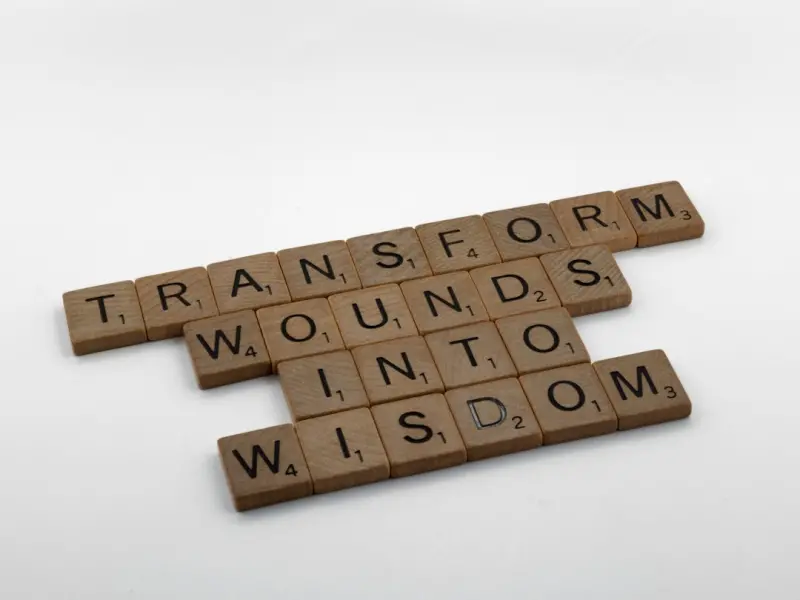
Transforming Autoimmune Challenges into Strategic Advantages
This article reveals a fresh, data‑driven approach to managing autoimmune disease, showing how per... Read More

Seasonal Climate Hacks: Redefining Autoimmune Care One Weather Pattern at a Time
Explore practical, season‑focused strategies—like climate monitoring, sunlight scheduling, and s... Read More
Top Posts

The Unexpected Power of Everyday Storytelling for Mental Wellness
Discover how weaving stories into everyday life can strengthen mental health, enhance resilience, and create deeper connections, all without a single therapy se...Read More

The Hidden Conversation: Leveraging the Gut–Brain Axis for Corporate Performance
The gut–brain connection is a measurable performance lever. This post explains how micro‑optimizations, data‑driven feedback, and emerging microbiome tech...Read More

Unlocking the Night: Turning Insomnia Into a Personal Insight Engine
Insomnia isn’t just a problem to fix; it’s a signal about your mind, body, and surroundings. Discover a three‑layered approach that transforms restless ni...Read More

The Unwritten Roadmap: Navigating Career Momentum While Expecting
A practical guide for expectant professionals to sustain career growth, manage workplace dynamics, and prepare for the transition into parenthood without sacrif...Read More
0 Comments
Post Comment
You will need to Login or Register to comment on this post!