

The Silent Saboteur: Stress and Prediabetes
When I first heard the term “prediabetes,” I imagined a quiet, clinical warning—something you’d spot on a lab report and then set aside until the next doctor’s visit. In reality, it’s a living, breathing condition that thrives on the invisible forces we push into our daily lives. Among those forces, chronic stress is the most insidious, quietly nudging our blood sugar higher, eroding insulin sensitivity, and setting the stage for a full‑blown diabetes diagnosis.
Why Stress Matters More Than You Think
Stress isn’t just a mental state; it’s a hormonal cascade. When you encounter a threat—real or imagined—your hypothalamus signals the pituitary gland, which then releases adrenocorticotropic hormone (ACTH). ACTH tells the adrenal glands to flood your bloodstream with cortisol and adrenaline. These hormones are fantastic for short bursts of action, but when they linger, they become metabolic saboteurs.
Cortisol’s double‑edged sword: it raises blood glucose to fuel the “fight‑or‑flight” response, suppresses the immune system, and, crucially for us, impairs the ability of insulin to shepherd glucose into cells. Over time, this constant push‑and‑pull leaves the pancreas working overtime, eventually wearing it out.
Connecting the Dots: Stress, Sleep, and Glucose
If you’ve ever pulled an all‑night deadline, you know the trade‑off: a surge of adrenaline, a jittery focus, and a looming sense of exhaustion. That same adrenaline spikes your blood sugar, while the cortisol spike that follows keeps it elevated even after you finally sit down. The result? Your body starts treating glucose like a permanent emergency fuel, refusing to store it efficiently.
And sleep? It’s the silent partner in this drama. Poor sleep amplifies cortisol production, and elevated cortisol makes falling asleep even harder—a vicious feedback loop. Breathwork & Autonomic Balance can help break this cycle by stimulating the parasympathetic nervous system, which naturally reduces cortisol levels and promotes restorative sleep.
Stress‑Induced Eating: The Hidden Calorie Trap
When stress hits, many of us gravitate toward comfort foods—sweet, salty, high‑carb options that give a fleeting dopamine boost. This isn’t a lack of willpower; it’s biology. Cortisol spikes hunger hormones like ghrelin and blunts satiety signals from leptin. The result is an increased appetite for quick, energy‑dense foods that raise blood glucose sharply.
Instead of fighting the urge, I’ve found it far more effective to re‑engineer the environment:
- Protein‑first meals: Starting a meal with a lean protein source (eggs, fish, tofu) slows gastric emptying and steadies glucose.
- Fiber‑rich snacks: A handful of nuts or sliced veggies with hummus can satisfy cravings without the sugar surge.
- Mindful pauses: Before reaching for that chocolate bar, pause for 30 seconds, take a deep breath, and ask yourself if you’re truly hungry or just reacting to stress.
Practical Stress‑Reduction Strategies for the Knowledge Worker
In the modern workplace, we’re constantly juggling emails, video calls, and endless to‑do lists. Here are three evidence‑based tactics that fit seamlessly into a busy schedule.
1. Micro‑Breaks with Purpose
Research shows that short, intentional breaks can lower cortisol levels and improve focus. Set a timer for every 90 minutes—stand, stretch, and take three deep breaths. Even a minute of diaphragmatic breathing can shift the autonomic balance toward calm.
2. Structured “Digital Sunset”
Screen exposure suppresses melatonin, which in turn disrupts sleep and spikes cortisol. Adopt a Screen Sabbatical at least one hour before bedtime. Use that time for a low‑light activity—reading a physical book, journaling, or gentle yoga.
3. Move the Body, Move the Mood
While you might already be aware of the benefits of regular cardio, the key is consistency, not intensity. A 20‑minute brisk walk after lunch not only burns a modest amount of glucose but also releases endorphins that counteract cortisol.
Nutrition Tweaks That Complement Stress Management
Food is the fuel for both our brain and our stress response. By choosing wisely, you can blunt cortisol’s impact on blood sugar.
Focus on Magnesium
Magnesium acts as a natural relaxant, supporting the nervous system and reducing cortisol. Include leafy greens, pumpkin seeds, and black beans in your meals.
Prioritize Low‑Glycemic Index (GI) Carbs
Low‑GI carbs cause a slower rise in blood glucose, preventing the post‑meal spikes that can worsen insulin resistance. Think quinoa, steel‑cut oats, and sweet potatoes.
Seasonal Food Swaps for Better Balance
Eating seasonally isn’t just a culinary trend—it aligns your body with nature’s rhythms, supporting hormone regulation. For example, swapping summer strawberries for autumn apples reduces sugar load while delivering fiber and antioxidants. Check out Seasonal Food Swaps for a deeper dive on how to transition your pantry.
Integrating Stress Management Into a Prediabetes Action Plan
Most prediabetes programs focus heavily on diet and exercise, which are undeniably vital. Yet, without addressing the stress component, you’re missing a crucial lever.
- Assess Your Stress Baseline: Use a simple questionnaire—rate your stress level (1‑10) each morning and note any triggers.
- Set Micro‑Goals: Choose one stress‑reduction technique (breathwork, digital sunset, micro‑break) and commit to it for two weeks.
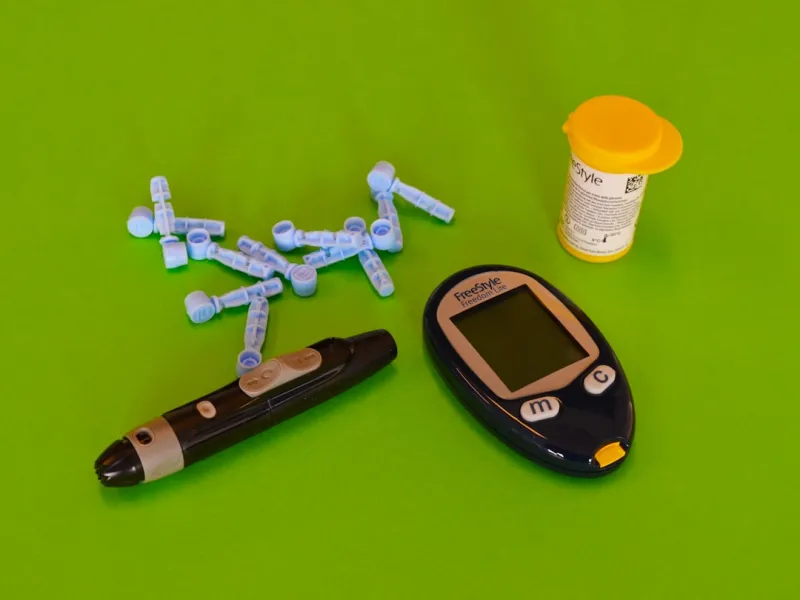
- Track Glucose Response: If you have a continuous glucose monitor (CGM) or regularly test fasting glucose, note how your readings shift as you incorporate stress‑reduction habits.
- Iterate: After two weeks, evaluate which strategies most effectively lowered both your stress score and glucose levels, then double down on those.
When Stress Meets the Desk Warrior
For those who spend hours at a computer, the synergy between blood pressure and glucose regulation is worth noting. Elevated stress raises both systolic pressure and cortisol, creating a double‑hit on cardiovascular health. The Desk‑Warrior’s Guide to Keeping Blood Pressure Low offers actionable tips—like adjusting your chair height and incorporating desk‑side stretches—that also help mitigate cortisol spikes by reducing physical tension.
Beyond the Individual: Workplace Culture as a Buffer
Stress isn’t just an individual problem; it’s often baked into organizational expectations. Companies can foster a healthier environment by:
- Encouraging regular breaks and providing quiet zones.
- Offering mindfulness or yoga sessions during lunch.
- Normalizing flexible work hours to reduce commute stress.
When the culture shifts, employees experience lower baseline cortisol, which translates to better glucose control across the board.
Closing Thoughts: Stress as the First Line of Defense
If you’ve been battling prediabetes, you’ve likely already adopted healthier eating habits and added movement to your routine. The missing piece is often a systematic approach to stress management. By recognizing cortisol as a true metabolic antagonist, you empower yourself to intervene before your pancreas gets overworked.
Remember, the goal isn’t to eliminate stress—an impossible feat—but to cultivate resilience. When you can navigate life’s pressures with a calm nervous system, you give your cells the breathing room they need to respond to insulin effectively. In turn, your blood sugar stabilizes, and the window of prediabetes can close, making way for a healthier, more vibrant future.

Sarah Gray is a proud Canadian who calls Brampton home, where she lives with her husband, Paul. A passionate home cook and gifted storyteller, Sarah loves creating delicious recipes and sharing stories inspired by everyday life, family, and cherished experiences. When she isn't experimenting in the kitchen, she's busy crafting engaging content that reflects her warmth, creativity, and love of connection. Above all, Sarah treasures time spent with her grandchildren, embracing every opportunity to create lasting memories with the people she loves most.
Related Posts

How Seasonal Food Swaps Can Quietly Rewire Prediabetes
A practical guide to using seasonal produce, mindful cooking, and community support to stabilize blo... Read More
Turning Prediabetes Around: A Holistic Journey to Balance
A candid, holistic guide from personal experience on reversing prediabetes through mindful eating, b... Read More

Unlocking the Gut: How Microbiome Mastery Can Turn Prediabetes Around
Discover how a diverse gut microbiome can improve insulin sensitivity and reverse prediabetes. Learn... Read More
Top Posts

Syncing Your Body Clock: A Rhythm‑Based Blueprint for Longevity
Learn to extend healthspan by syncing daily habits—nutrition, light exposure, movement, and social interaction—to your body’s natural clock....Read More

When Physiotherapy Meets the Remote Workspace: A New Playbook for Sustainable Movement
Remote work often leads to hidden musculoskeletal strain. This post offers a practical physiotherapy‑based playbook—micro‑movements, recovery rituals, tec...Read More

Hormonal Health at Work: Strategies Women Can Use Today
A comprehensive guide shows how understanding menstrual cycles, perimenopause, and conditions like PCOS can inform flexible policies, tech tools, and a culture ...Read More

Mindful Movement: The Fitness Trend That Merges Sweat With Serenity
Explore the rise of mindful movement, a fitness trend that fuses breath work, balanced workouts, and holistic nutrition to transform your exercise routine into ...Read More
0 Comments
Post Comment
You will need to Login or Register to comment on this post!