
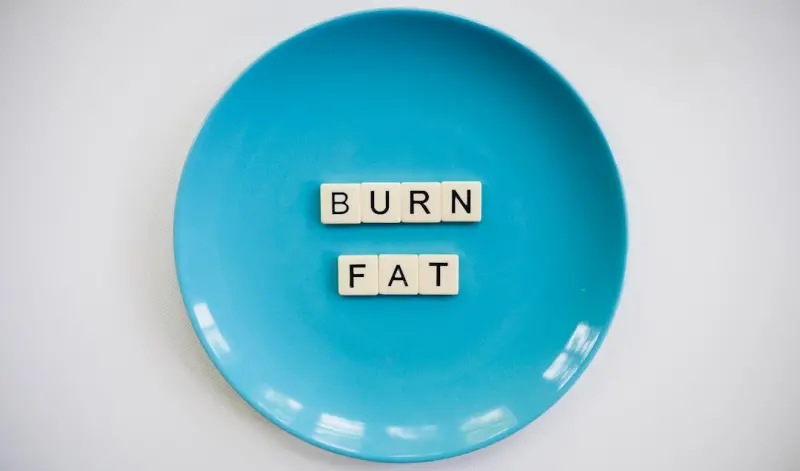
When I first stepped onto the scale after a decade of “trying,” I expected a simple number that would either validate or crush my resolve. Instead, I got a reminder that weight loss isn’t a linear arithmetic problem—it’s an evolving conversation between body, mind, and the world we inhabit. In this post, I’m sharing the play‑first, data‑informed, community‑driven roadmap that turned my frustration into fascination, and that can help anyone rewrite the script on shedding pounds.
1. Dismantling the Scale Myth
We’ve all been told that the scale is the ultimate truth‑meter. Yet the truth is, weight is a proxy, not a purpose. It reflects water balance, glycogen stores, gut content, and even hormonal fluctuations—all of which can swing wildly from day to day. When you chase the needle instead of the feeling, you end up in a roller‑coaster of hope and disappointment.
Instead of obsessing over a single digit, I began asking: How do I feel after a meal?Do I move with ease?Is my energy steady throughout the day? These qualitative cues became my primary compass, and the scale turned into a friendly sidekick that offered occasional check‑ins, not daily verdicts.
2. Micro‑Habit Architecture: Building Weight Loss Brick by Brick
Think of habit formation as constructing a building. You wouldn’t start with the roof; you lay the foundation, then erect walls, then add the finishing touches. The same principle applies to weight loss. Small, repeatable actions—what I call micro‑habits—stack up into massive, lasting change.
- Morning Hydration Cue: Place a glass of water beside your alarm. Drink it before you even think about the snooze button. This jump‑starts metabolism and reduces the urge to snack before breakfast.
- Two‑Minute Movement Burst: Set a timer for two minutes every hour. Stand, stretch, or do a quick set of body‑weight squats. The cumulative effect of these micro‑movements burns calories and combats the sedentary slump.
- Plate Visual Hack: Use a slightly smaller plate for dinner. The visual illusion of a fuller plate tricks your brain into feeling satisfied with fewer calories.
When you pair these micro‑habits with a reliable tracking system, you gain a clear view of what’s working and where the gaps lie.
3. Let Data Be Your Ally, Not Your Judge
One of the biggest shifts in my journey was moving from “guesswork” to “data‑driven insight.” I built a simple personal health dashboard that aggregates sleep, steps, hydration, and mood scores alongside my weight trend. This holistic picture let me see patterns—like how a night of poor sleep consistently led to higher cravings the next day.
Want a starter kit for your own dashboard? Check out this guide on personal health dashboards. Even if you’re not a data nerd, the basic principle is the same: capture a few key metrics, review them weekly, and let the numbers inform—rather than dictate—your next move.
4. Heat, Cold, and Metabolic Magic
Beyond movement, temperature exposure offers a surprisingly potent lever for boosting metabolism. The science behind “thermal detox” shows that short bursts of heat (think sauna sessions) and cold (cold showers or ice baths) can activate brown fat, a calorie‑burning tissue that’s dormant in many adults.
My experiment was simple: three 10‑minute sauna sessions per week paired with a 2‑minute cold splash at the end. The result? A modest uptick in resting metabolic rate, plus a noticeable reduction in post‑workout soreness. If you’re curious, dive deeper into the mechanics of this approach by reading heat and cold strategies. Remember to start slow, listen to your body, and consult a professional if you have cardiovascular concerns.
5. Community as a Catalyst
Weight loss is rarely a solo sport. The social environment shapes our food choices, activity levels, and self‑talk. I joined a small, accountability‑focused group that met twice weekly for a “movement mash‑up”—a 30‑minute session where members brought a favorite activity, from dancing to kettlebell swings, and everyone participated.
This collective play turned exercise from a chore into a celebration. The group also shared meal prep ideas, swapped grocery store hacks, and celebrated non‑scale victories (like fitting into a favorite pair of jeans). The sense of belonging amplified my motivation and kept me honest on the days I wanted to skip.
6. Leverage Your Insurance for Weight‑Loss Support
Many people overlook the resources baked into their health insurance plans. Some policies cover nutrition counseling, gym memberships, or even weight‑management programs. I called my insurer’s wellness line and discovered that I could attend a dietitian‑led program at no extra cost. That professional guidance helped me fine‑tune macronutrient ratios without feeling deprived.
If you’re unsure where to start, explore the options described in leveraging insurance benefits. A quick call could unlock a suite of tools that make your weight‑loss journey smoother and more affordable.
7. Pleasure‑First Nutrition
Deprivation is a recipe for rebellion. Instead of stripping away foods you love, I learned to re‑engineer them. For example, swapping regular pasta for spiralized zucchini reduces carb load while preserving the joy of twirling noodles. Adding spices like smoked paprika or fresh herbs elevates flavor without extra calories.
The goal is to curate a plate that feels abundant, not empty. When meals are satisfying, you’re less likely to reach for “snack‑time rescues.” This philosophy aligns with the concept of “nutrient density meets sensory richness,” a sweet spot where health and happiness intersect.
8. Crafting a Personal Narrative
Stories shape identity. When I rewrote my personal narrative from “I’m fighting my body” to “I’m partnering with my body,” everything shifted. I began journaling weekly, noting not just weight changes but moments of strength—like conquering a hill on a bike ride or discovering a new plant‑based recipe that delighted my palate.
These narrative snapshots serve as evidence that you’re evolving, independent of the scale. Over time, they build a mental archive of success that you can draw upon during plateaus or setbacks.
9. The 30‑Day Playful Blueprint
Ready to try this approach? Here’s a starter plan that weaves together the pillars above:
- Day 1‑7: Establish three micro‑habits (water by alarm, two‑minute movement bursts, plate visual hack). Log them in a simple spreadsheet.
- Day 8‑14: Add a weekly sauna session and a cold splash. Track perceived energy levels.
- Day 15‑21: Join or create a 30‑minute movement mash‑up with friends. Celebrate the first non‑scale win.
- Day 22‑30: Schedule a free nutrition counseling call through your insurance. Integrate one pleasure‑first recipe each week.
At the end of the month, review your dashboard. Celebrate the habits that stuck, the temperature tricks that boosted your mood, and the community moments that sparked joy. Then, iterate—add new micro‑habits, try a different movement style, or explore another thermal technique. The process is never finished, and that’s the beauty of it.
Weight loss, when reframed as a playful, data‑informed, socially supported adventure, stops feeling like a punishment and becomes a lifelong partnership with your own vitality. I invite you to experiment, observe, and most importantly, enjoy the journey. Your future self will thank you—for the confidence, the health, and the stories you’ll have to tell.

Brandy Miller is a dynamic freelance writer based in the vibrant city of Cambridge, Ontario. With a passion for storytelling that knows no bounds, she crafts compelling narratives that captivate and inspire. Brandy’s love for writing shines through in her versatile work, whether she’s penning thought-provoking articles or engaging content that resonates with readers. Her unique perspective and friendly tone make her a sought-after voice in the writing community. When she’s not weaving words together, you can find her exploring the beautiful landscapes of Ontario, always seeking new adventures and inspiration for her next piece. Brandy is not just a writer; she’s a creative force, making her mark one word at a time.
Related Posts
Habit Stacking for Sustainable Weight Loss: How Tiny Shifts Create Big Results
Learn how pairing new, tiny health actions with existing daily routines can create lasting weight lo... Read More
Redefining Weight Loss: Identity, Micro‑Shifts, and Storytelling for Sustainable Change
A new weight‑loss roadmap uses identity, micro‑movements, and narrative journaling to create sus... Read More

From Frustration to Freedom: My Holistic Path to Sustainable Weight Loss
A personal, holistic guide to weight loss that moves beyond diets, focusing on gut health, joyful mo... Read More
Top Posts

Managing Blood Pressure through a Holistic Approach
Learn how a holistic approach can help you manage blood pressure naturally. Explore the benefits of nutrition, stress management, and exercise in lowering level...Read More

Rewriting the Inner Story: Narrative Shifts for Modern Mental Resilience
Discover how reframing your inner story can reduce stress, boost resilience, and improve well‑being at work and home by using simple narrative‑shifting prac...Read More

When Words Heal: Journaling Strategies for Autoimmune Balance
Journaling transforms vague symptoms into actionable data, helping autoimmune patients identify triggers, communicate with clinicians, and foster emotional resi...Read More

When Food Becomes Medicine: Community Cooking as a Game‑Changer for Prediabetes
A fresh approach to prediabetes: learn how gathering friends for creative, spice‑rich meals builds social support, reduces stress hormones, and creates lastin...Read More
0 Comments
Post Comment
You will need to Login or Register to comment on this post!