
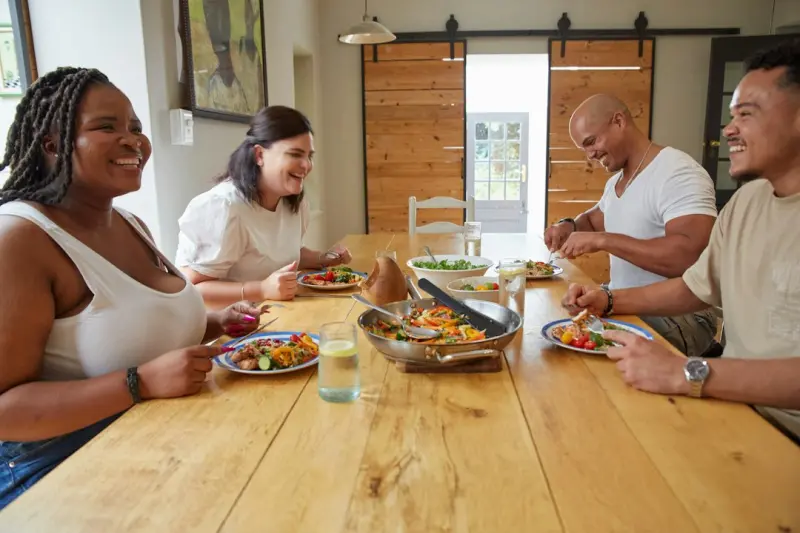
Why Eating Together Is the Secret Weapon You’ve Overlooked
When I first learned that I was on the prediabetes spectrum, the usual checklist appeared on my screen: count carbs, log workouts, watch the weight scale. It felt like a solo mission, a personal battle against numbers. What I didn’t expect was how profoundly human connection could rewrite that narrative. The simple act of sharing a meal—planning it, preparing it, savoring it—has turned out to be a potent, under‑the‑radar strategy for nudging blood sugar back into the safe zone.
The biology behind communal meals
Science tells us that stress hormones like cortisol can spike glucose levels. When we eat alone, especially while scrolling on a phone, the brain’s “fight‑or‑flight” alarm stays lit longer, keeping cortisol high. In contrast, a relaxed, socially rich environment triggers the release of oxytocin, the “bonding hormone.” Oxytocin not only reduces stress but also improves insulin sensitivity, allowing cells to pull glucose from the bloodstream more efficiently.
Beyond hormones, shared meals tend to be more balanced. A group setting naturally encourages variety: someone brings a protein, another a fiber‑rich vegetable, a third a healthy fat. This diversity slows digestion, blunts post‑meal glucose spikes, and keeps energy steady throughout the afternoon.
From solo plate to community kitchen: starting small
Creating a food‑focused community doesn’t require a fancy culinary school or a commercial kitchen. Here’s how you can get started with what you already have:
- Pick a purpose. Is your group aimed at learning new recipes, swapping grocery hacks, or simply enjoying conversation?
- Set a regular cadence. Weekly or bi‑weekly meet‑ups work best for habit formation.
- Rotate hosts. Sharing the kitchen space and responsibilities keeps the burden light and the vibe fresh.
- Invite expertise. If someone is a dietitian, a chef, or a biofeedback enthusiast, let them lead a short talk. Knowledge sharing fuels motivation.
Tech tools that amplify the community effect
While the heart of this approach is face‑to‑face interaction, digital tools can supercharge its impact. A simple shared spreadsheet can track who brings what, ensuring each meal hits the ideal macronutrient balance. More sophisticated apps let you log blood‑glucose readings in real time and instantly see how different recipes affect your numbers.
For those who love wearables, the Unlocking Stress Resilience: How Biofeedback Wearables Are Changing Health post highlighted how real‑time feedback can calm the nervous system. Pair that with glucose monitors, and you’ll notice patterns: a relaxed dinner with friends often leads to a smoother glucose curve the next morning.
Mindful movement: the gentle exercise that fits into communal meals
Before the first bite, a five‑minute stroll or a light stretch session can prime your muscles to absorb glucose more readily. This doesn’t have to be a formal workout; think of it as a transition ritual that signals to your body: “We’re about to nourish, not stress.” When you combine this with the oxytocin boost from social eating, the result is a double‑layered defense against prediabetes.
Even better, make the movement a group activity. A quick “kitchen dance” while chopping veggies, or a shared yoga pose before plating, turns exercise into a bonding experience rather than a chore.
Real‑world success: stories from the front line
Case Study 1 – The Greenhouse Guild: A cohort of 12 office colleagues formed a “garden‑to‑table” club. They grew leafy greens, beans, and herbs in a rooftop garden, rotating cooking duties each week. After three months, average fasting glucose dropped from 106 mg/dL to 94 mg/dL, and participants reported higher energy and lower stress.
Case Study 2 – The Neighborhood Potluck Project: In a suburban cul‑de‑sac, families organized monthly potlucks centered on low‑glycemic dishes. Using a shared online log, they tracked how each meal affected participants’ glucose readings. Over six months, the group’s collective average A1C fell from 5.8% to 5.4%, moving many members out of the prediabetes range.
Both examples echo a common thread: shared intention and accountability amplify the physiological benefits of good nutrition.
Practical steps you can implement today
- Audit your current meals. Identify which ones you eat alone and note the macronutrient breakdown.
- Reach out. Invite a neighbor, coworker, or family member to join a cooking session. Start with a simple recipe like a quinoa‑vegetable bowl.
- Integrate technology. Sync a continuous glucose monitor (CGM) with a shared dashboard so the group can see how different foods affect glucose in real time.
- Schedule a movement break. Before the meal, lead a five‑minute stretch or walk.
- Reflect. After eating, spend a few minutes discussing how everyone felt—energy levels, satiety, mood. This reinforces mindfulness and helps fine‑tune future meals.
Linking back to broader health strategies
While communal meals are a powerful lever, they work best when paired with other evidence‑based tactics. The Steady Energy: A Practical Blueprint for Day‑Long Blood Sugar Balance guide provides a solid framework for nutrient timing and portion control throughout the day. Pairing that blueprint with the social boost from shared meals creates a holistic approach that addresses both the metabolic and emotional dimensions of prediabetes.
Additionally, for readers who are curious about the workplace angle, the earlier article on office environments Why Your Office Might Be the Hidden Key to Reversing Prediabetes offers insights on how to bring community meals into a corporate setting. Think lunchtime potlucks, shared recipe swaps, or a “healthy snack corner” stocked by rotating contributors.
Overcoming common obstacles
Time constraints. Start with micro‑gatherings—10‑minute snack swaps or a “one‑pot” dinner that requires minimal prep.
Food preferences. Use a “build‑your‑own” format where each person can customize a base (e.g., brown rice, lettuce) with a variety of toppings, ensuring everyone gets something they love.
Financial concerns. Buying in bulk for a group reduces costs per person. Plus, the shared nature of the meals often leads to less waste.
The long‑term vision: a culture of shared health
If you picture a future where neighborhoods host weekly “glucose‑friendly” festivals, where schools teach kids the joy of cooking together, and where employers see communal meals as a core wellness perk, you’ll see the ripple effect of this simple habit. It’s not just about lowering a number on a lab report; it’s about building resilient, connected communities that naturally gravitate toward healthier choices.
Prediabetes doesn’t have to be a solitary sentence on a medical chart. By turning meals into moments of connection, you rewrite the story—one forkful, one laugh, and one shared step at a time.

Sarah Gray is a proud Canadian who calls Brampton home, where she lives with her husband, Paul. A passionate home cook and gifted storyteller, Sarah loves creating delicious recipes and sharing stories inspired by everyday life, family, and cherished experiences. When she isn't experimenting in the kitchen, she's busy crafting engaging content that reflects her warmth, creativity, and love of connection. Above all, Sarah treasures time spent with her grandchildren, embracing every opportunity to create lasting memories with the people she loves most.
Related Posts

Micro‑Momentum: Tiny Wins to Defeat Prediabetes
Discover a practical, science‑backed framework of micro‑habits—quick movement bursts, smart sn... Read More
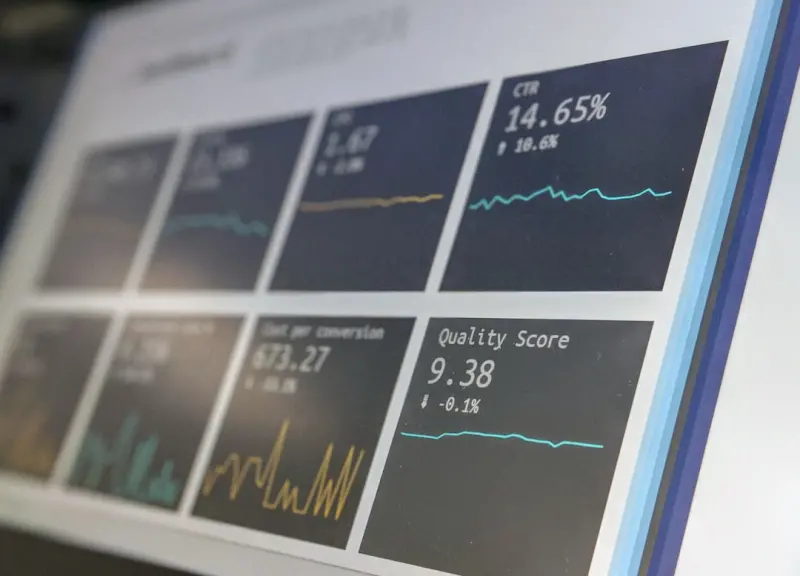
Predictive Analytics: Reframing Prediabetes as a Power Move
A data‑centric look at prediabetes shows how real‑time glucose tracking, targeted micro‑adjust... Read More

Turning Prediabetes into a Catalyst for Whole‑Body Wellness
A personal, holistic guide shows how to turn a prediabetes warning into a roadmap for lasting health... Read More
Top Posts

Unlocking the Power of Food Synergy: How Smart Pairings Boost Your Nutrition
Learn how pairing the right foods—like iron with vitamin C or fats with fat‑soluble vitamins—can dramatically improve nutrient absorption and overall he...Read More

Rewilding Rehabilitation: How Outdoor Play Revitalizes Physiotherapy
Physiotherapist Jessica Hall explores the untapped power of outdoor, play‑focused rehabilitation, blending science, community, and nature to accelerate healin...Read More
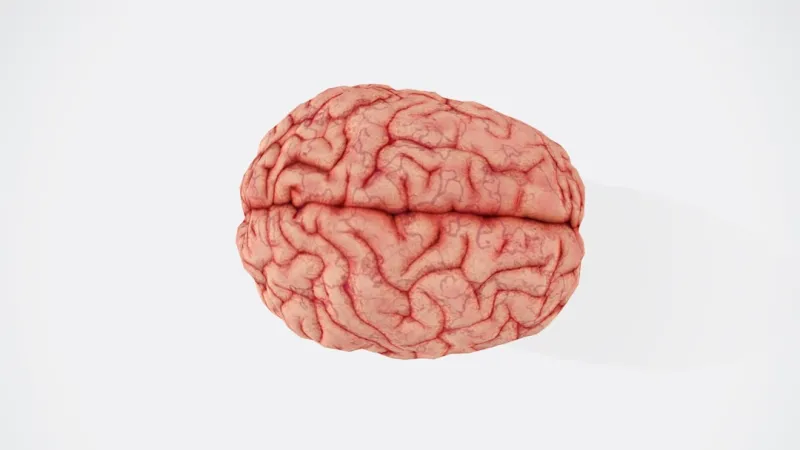
The Gut-Brain Connection: Unlocking the Secrets to Optimal Gut Health
The gut-brain connection is a critical aspect of our overall health and wellbeing. Learn how to support optimal gut health through a holistic approach....Read More
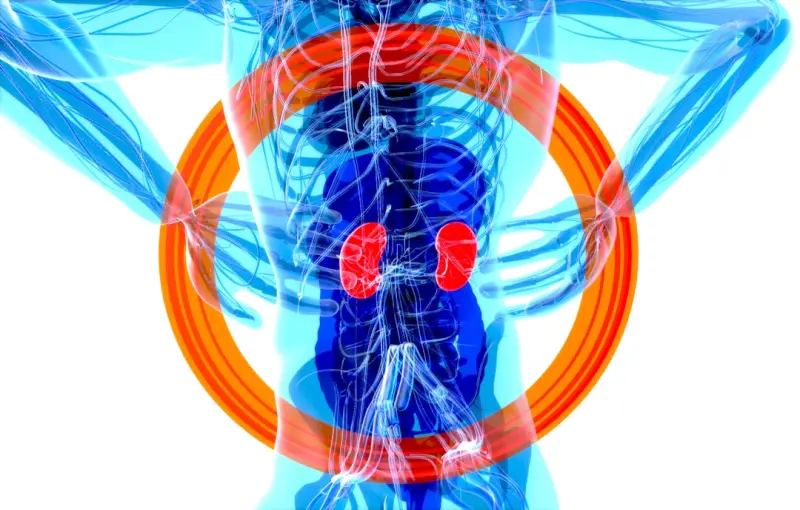
The Hidden Power of Lymphatic Flow: A Fresh Take on Body Detox
Explore why the lymphatic system is the unsung hero of detox, and learn practical movement, breathing, nutrition, and environmental habits to keep it flowing fo...Read More
0 Comments
Post Comment
You will need to Login or Register to comment on this post!