
Listening to the Body’s Whisper
Living with an autoimmune condition feels like trying to decode a secret language that your own body has chosen to speak in riddles; each flare‑up, fatigue wave, or joint ache is a word in a sentence you’re still learning to read. When I first received my diagnosis, I imagined a clinical checklist, but the reality was far messier—a constantly shifting script of symptoms that never seemed to follow a predictable plot. Over time I realized that the only way to make sense of this chaos was to become both the translator and the author of my own health story, treating every symptom as a clue rather than a curse.
Storytelling as a Diagnostic Tool
Journaling turned out to be the most powerful microscope I could afford; by committing daily observations to paper, patterns emerged that were invisible in the moment, revealing triggers, rhythms, and even emotional undercurrents that preceded a flare. I began each entry with a simple prompt—“What did my body feel like today?”—and followed with details about food, stress, sleep, and mood, allowing me to map connections that traditional lab tests missed. This narrative approach aligns surprisingly well with modern tech‑savvy tracking methods, turning qualitative notes into data points that can be visualized, shared, and refined.
What surprised me most was how the act of writing slowed the nervous system, giving my brain a moment to step back and observe rather than react. The written word became a mirror, reflecting not just physical sensations but also the emotional narratives that often fuel autoimmune inflammation. By revisiting past entries, I could see that a week of heightened anxiety frequently preceded a skin rash, prompting me to prioritize stress‑reduction techniques before the next episode.
Creative Outlets That Translate Pain
When words felt insufficient, I turned to colors, melodies, and movement, discovering that creative expression can transcribe the ineffable language of inflammation into tangible forms. Sketching my joint stiffness as jagged lines or painting the dull ache of chronic fatigue as muted gradients gave my body a visual vocabulary that doctors rarely see. Music, too, became a conduit; drumming gently on a tabletop mimicked the throbbing pulse of an inflamed organ, allowing me to externalize the sensation and, paradoxically, lessen its grip.
These artistic practices dovetail with a broader personal health blueprint mindset, where self‑care is not a checklist but a living, evolving canvas. By allocating specific times each week for drawing, songwriting, or gentle yoga, I created ritual spaces where my immune system’s messages could be heard without judgment, transforming panic into curiosity and, eventually, empowerment.
Building a Narrative Community
Sharing my story with others who navigate similar invisible battles turned solitary struggle into collective insight; a small support group met weekly, each member bringing a page from their journal, a sketch, or a song that captured their latest experience. Listening to a fellow participant describe a sudden brain fog as “a foggy morning in a city I can’t find my way out of” resonated deeply, prompting me to re‑examine my own metaphors and expand my symptom lexicon.
The community’s feedback loop became a living encyclopedia of triggers and coping strategies, where one person’s breakthrough with a breathing exercise could inspire another’s next journal entry. This shared narrative repository not only normalizes the emotional turbulence of autoimmune disease but also creates a safety net of practical ideas, reinforcing the notion that we are co‑authors of a larger, resilient story.
Practical Steps to Start Your Narrative Journey
To begin, set aside a dedicated notebook or digital document and commit to a brief, daily entry; the key is consistency, not length. Start with three prompts: “Physical sensations,” “Emotional state,” and “External factors.” Over the weeks, review entries for recurring themes—perhaps a certain food, a stressful meeting, or a lack of sunlight—and note any correlation with symptom spikes. This systematic approach turns anecdotal observations into actionable intelligence.
Next, integrate a creative outlet that feels enjoyable rather than burdensome; whether it’s doodling, crafting a playlist, or moving to gentle stretches, the goal is to give your body an alternative language for expression. Finally, seek out a community—online forums, local meet‑ups, or a trusted friend—where you can share excerpts of your narrative and receive diverse perspectives. By weaving together journaling, art, and collective storytelling, you transform an unpredictable autoimmune landscape into a map you can navigate with confidence.

Becky Putman is an Ottawa-based freelance writer and marketing professional with a passion for storytelling, animals, and community involvement. She enjoys creating engaging content that informs, inspires, and connects with readers.
Related Posts
Creative Flow as Immunity: Harnessing Art and Music to Calm Autoimmune Flames
Discover how integrating art, music, and storytelling into daily routines can modulate the immune sy... Read More
Strategic Resilience: Turning Autoimmune Disease Into a Growth Engine
Learn to reframe autoimmune disease as a catalyst for personal growth by using data‑driven trackin... Read More
Rethinking Your Clock: How Sleep Patterns Influence Autoimmune Health
This post explores the powerful link between circadian rhythms and autoimmune disease, offering prac... Read More
Top Posts

Quiet Corners: Crafting Everyday Calm for Newborns
Learn how to create a sensory-friendly space, use rhythmic cues, and incorporate gentle breathing to help your newborn develop a balanced nervous system and las...Read More
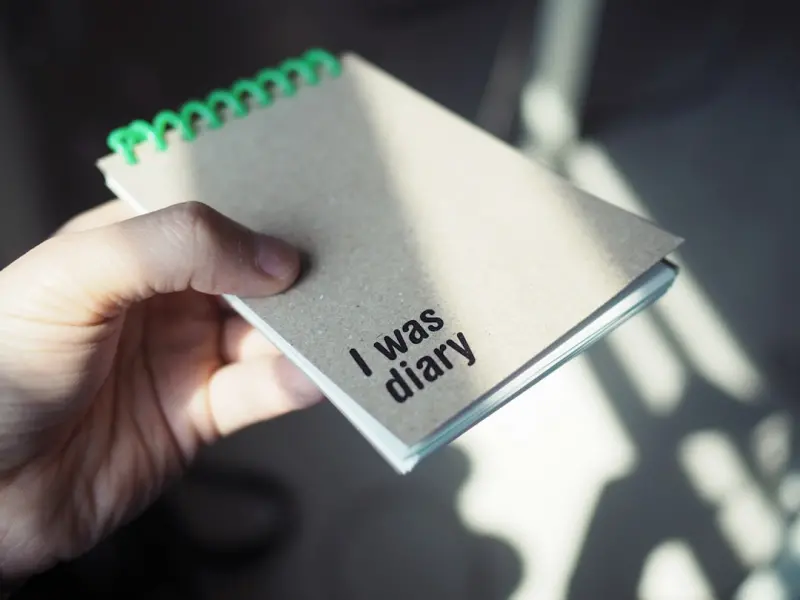
Micro‑Journaling: A Tiny Habit with Big Mental‑Health Payoff
Learn the power of micro‑journaling: a simple, 60‑second habit that rewires your brain, reduces stress, and fuels lasting mental‑health growth....Read More
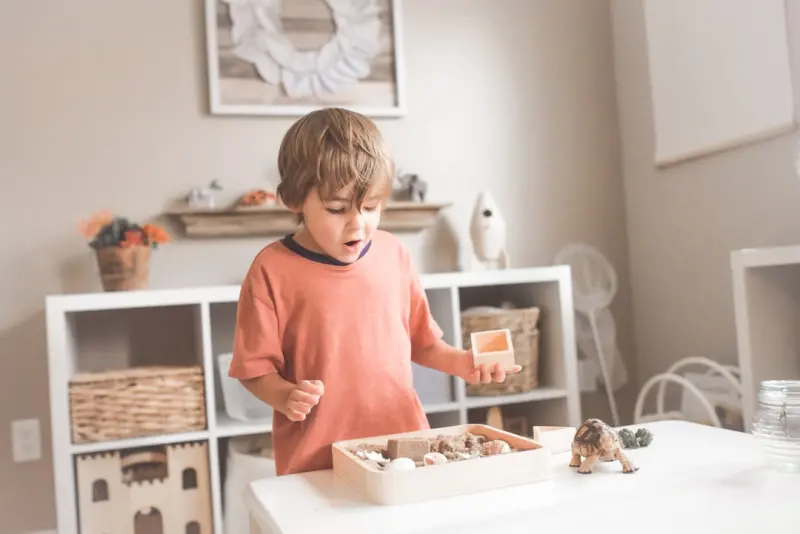
Rewiring Your Brain with Everyday Sensory Play
Explore practical, low‑effort sensory practices—soundscapes, tactile kits, visual color pops—and learn how to turn daily moments into brain‑boosting opp...Read More
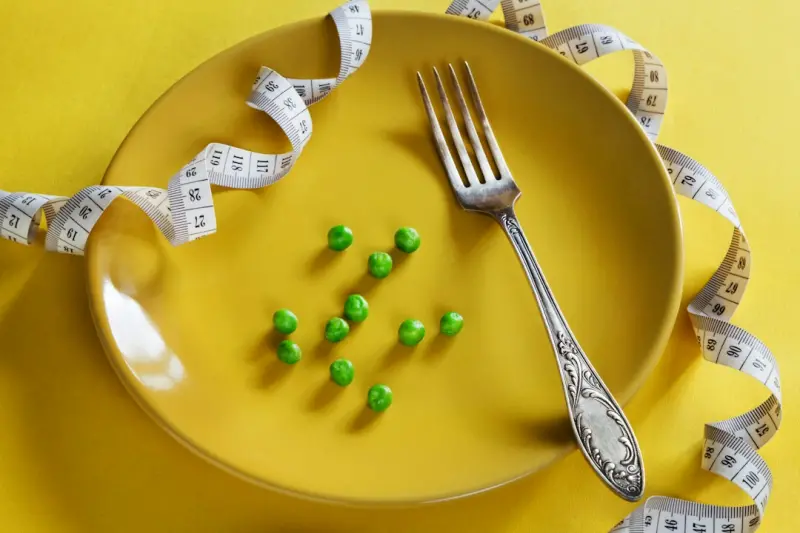
When the Plate Becomes a Battlefield: Navigating Eating Disorders in a Remote World
A deep dive into the subtle ways remote work fuels disordered eating, offering actionable strategies, community alternatives, and personal insights to foster he...Read More
0 Comments
Post Comment
You will need to Login or Register to comment on this post!