

When I first started treating my kitchen like a science lab, I expected messy experiments and a few burnt casseroles. What I didn’t anticipate was the ripple effect on my waistline, energy levels, and overall relationship with food. This isn’t a quick‑fix diet, nor is it a relentless calorie‑counting regime. It’s a mindset shift: seeing weight loss as a series of playful, curiosity‑driven experiments rather than a punitive chore.
Why Playful Experimentation Beats Traditional Dieting
Traditional weight‑loss programs often feel like a lecture hall—someone else is telling you what to do, and you’re left with a list of do‑and‑don’t rules that clash with the realities of daily life. The problem isn’t the information; it’s the emotional tone. When the approach feels punitive, the brain’s reward system kicks in, and you end up sabotaging the very goals you set.
Playful experimentation flips the script. Instead of “You must avoid X,” you ask, “What happens if I swap X for Y?” This subtle language change reduces resistance and invites your brain to treat each meal as a hypothesis to be tested. The result? A higher likelihood of sticking with the change because you’re motivated by curiosity, not fear.
Step 1: Map Your Food Landscape
Begin by treating your pantry and fridge as a topographic map. Sketch out the categories of foods you keep most often: grains, proteins, fats, and snacks. Identify the “high‑traffic zones”—the items you reach for without thinking.
- Grains: white rice, pasta, quick‑cook oats.
- Proteins: pre‑cooked chicken strips, canned tuna, protein powders.
- Fats: butter, oil sprays, nuts.
- Snacks: chips, cookies, sugary granola bars.
Once you have a visual, you can experiment with rearranging these zones. For instance, move the whole‑grain options to eye level and push the refined carbs to a higher shelf. The physical act of repositioning becomes an experiment in accessibility, and you’ll likely notice a shift in what you grab first.
Step 2: Introduce One Variable at a Time
Scientific rigor doesn’t require a lab coat—just consistency. Pick one element to tweak each week. It could be:
- Replacing white rice with quinoa.
- Adding a vegetable first on the plate, then the protein.
- Swapping a sugary coffee beverage for iced herbal tea.
Track how you feel, not just the scale. Note energy spikes, satiety levels, and mood. This qualitative data is powerful; it teaches you which variables genuinely support your goals and which are merely “nice‑to‑have” tweaks.
Step 3: Leverage Seasonal Produce
Seasonality isn’t just a culinary fad—it’s a metabolic advantage. Fresh, in‑season produce tends to be more nutrient‑dense, which can help balance blood sugar and reduce cravings. I discovered a seasonal gut health guide that illuminated how certain vegetables feed beneficial gut bacteria, indirectly influencing weight regulation.
When you align your experiments with the seasons, you also inject variety into your diet, keeping the novelty factor high. This reduces the boredom that often leads to “cheat days.”
Step 4: Make the Plate a Canvas
Think of each meal as an art project. Color, texture, and composition aren’t just aesthetic choices; they’re functional. A vibrant plate with contrasting colors (greens, reds, purples) signals fullness to the brain faster than a monochrome bowl of carbs.
Try these simple visual tricks:
- Use a large, shallow plate to make portions appear bigger.
- Arrange vegetables in a spiral around the protein.
- Garnish with fresh herbs or citrus zest for an aromatic boost.
When you approach food as an artistic endeavor, you naturally slow down, savor each bite, and give your body time to register satiety signals.
Step 5: Integrate Micro‑Movement Breaks
Weight loss isn’t solely about what you eat; it’s also about how you move. However, the idea of “exercise” can feel intimidating. Instead, embed micro‑movement breaks into your daily routine.
Every time you finish a cup of tea, stand up and do a 30‑second stretch. When you wait for water to boil, do a set of calf raises. These tiny bursts accumulate, increasing daily caloric expenditure without the mental barrier of a formal workout.
Step 6: Prioritize Liver-Friendly Choices
The liver is a silent workhorse in metabolism, detoxifying the blood and regulating fat storage. Small, consistent habits can protect its function. I found a helpful article on simple liver-friendly habits, which reminded me that hydration, limiting processed sugars, and adding bitter greens are easy wins.
In practice, this means swapping a sugary soda for sparkling water with a splash of grapefruit juice, or adding a handful of arugula to a sandwich. These tiny choices add up, supporting the liver’s ability to process fats efficiently.
Step 7: Celebrate Data, Not Scale
Metrics are essential, but the scale is a noisy signal. Focus on consistent data points that reflect true progress:
- How many days you feel energetic without a mid‑afternoon slump.
- Clothing fit—are your jeans looser?
- Sleep quality—are you waking up refreshed?
When you celebrate these victories, you reinforce the behavior loops that lead to sustainable weight loss.
Step 8: Build a Community of Curious Experimenters
Sharing your experiments with friends or online groups creates accountability and inspiration. Post a photo of your “plate canvas” or a short note about swapping rice for cauliflower rice. The feedback loop fuels motivation and provides new ideas for future tweaks.
Remember, the goal isn’t perfection; it’s a culture of continuous, playful improvement. When one experiment fails—maybe the cauliflower rice didn’t satisfy your cravings—that’s simply data, not a defeat.
Putting It All Together: A Sample 4‑Week Blueprint
Week 1 – Rearrange & Record
Reorganize pantry shelves, start a simple food journal, and note any changes in cravings.
Week 2 – Seasonal Swap
Introduce one new seasonal vegetable each day, pairing it with your protein source.
Week 3 – Plate Artistry
Focus on color contrast and portion presentation; aim for at least three colors per meal.
Week 4 – Micro‑Movement & Liver Boost
Add three 30‑second movement breaks daily and incorporate one bitter green (like dandelion greens) into two meals.
At the end of the month, review your journal. Which experiments led to higher energy? Which felt sustainable? Use those insights to refine the next set of hypotheses.
Why This Works for Creative Professionals
As someone who thrives on brainstorming and iterative design, I found that framing weight loss as a series of experiments resonated deeply. The creative mind loves novelty, pattern‑recognition, and feedback loops—all core components of this approach. By translating those strengths into the kitchen, you harness your innate problem‑solving skills for a healthier body.
Final Thoughts: Embrace the Lab Coat of Curiosity
Weight loss doesn’t have to be a battlefield of restrictions and guilt. When you treat each meal as an experiment, each movement as a data point, and each habit as a prototype, you unlock a sustainable path that feels less like a chore and more like a creative pursuit.
So, grab a notebook, roll up your sleeves, and start mixing, matching, and measuring. The most exciting discovery might not be a slimmer silhouette—it could be a renewed sense of agency over your body and life.

Deb Roberts is a freelancer who writes on various subjects, bringing versatility and depth to her work. Alongside her broad writing expertise, she has a special passion for horses.
Related Posts
Narrative Coaching for Sustainable Weight Loss
Learn to turn weight loss into a compelling story by combining narrative coaching, habit stacking, a... Read More
Playful Weight Loss: Turning Everyday Moments into a Sustainable Fitness Adventure
Learn to transform everyday activities into calorie‑burning opportunities, using playful habits, s... Read More

Micro‑Movements, Gamified Points, and Habit Stacking: A Fresh Blueprint for Sustainable Weight Loss
A practical guide that merges micro‑movements, gamified calorie deficits, and habit stacking to cr... Read More
Top Posts
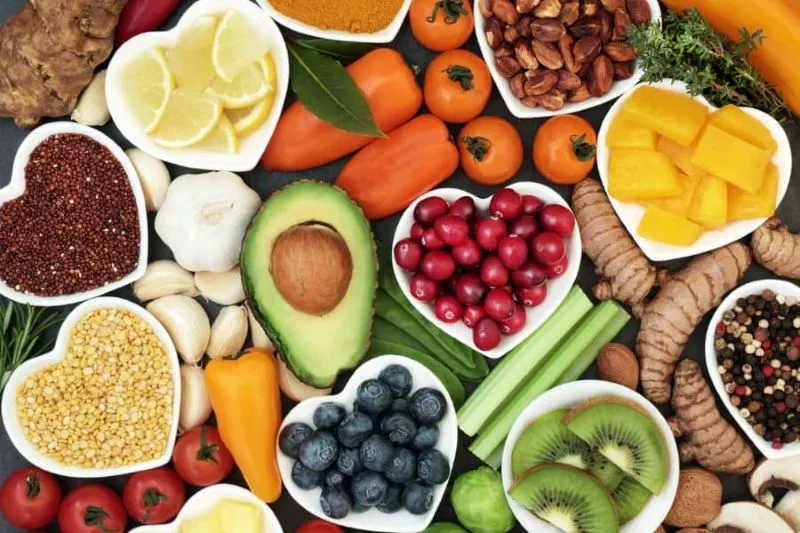
Best Fruits and Vegetables for a Healthy Heart
Discover the best fruits and vegetables to improve your cardiovascular health naturally. From antioxidant-rich berries to fiber-packed leafy greens, learn how t...Read More

The Mental Health Journey During Pregnancy: A Holistic Approach
Mental health during pregnancy is a critical aspect of overall wellbeing. Learn how to prioritize self-care, manage stress and anxiety, and adopt a holistic app...Read More
Vaping’s New Wave: Design, Community, and the Circular Future
Vaping is evolving from a stigmatized habit into a design‑driven, community‑focused, and environmentally conscious lifestyle. This post dives into the rise ...Read More

Eating Disorders: A Data‑Driven Path to Executive Resilience
Eating disorders silently undermine decision‑making and creativity in high‑performing leaders. This article outlines a data‑driven, tech‑enabled approac...Read More
0 Comments
Post Comment
You will need to Login or Register to comment on this post!