

Why Light and Timing Matter More Than You Think
When I first started tracking my own glucose levels, the obvious culprits were diet and exercise. Yet, after months of meticulous logging, a pattern emerged that had nothing to do with carbs or cardio—it was the time of day I was exposed to light. This wasn’t some obscure anecdote; it was a reproducible signal that showed up in my data, my colleagues’ data, and, increasingly, in peer‑reviewed research. In short, the rhythm of light that bathes our bodies each day can tip the scales between prediabetes and full‑blown diabetes.
Understanding the Circadian Clock
Every cell in our body runs on a circadian clock—a 24‑hour internal timer that orchestrates hormone release, metabolism, and even gene expression. The master clock lives in the suprachiasmatic nucleus (SCN) of the brain, and it receives its most potent cue from the eyes. When daylight hits the retina, it sends a bright, blue‑rich signal to the SCN, telling it, “It’s daytime.” This signal cascades through the body, nudging insulin sensitivity up and cortisol down, creating the perfect metabolic environment for processing the day’s meals.
Conversely, exposure to artificial light—especially the blue wavelengths emitted by smartphones, tablets, and LED fixtures—after sunset sends mixed messages. The SCN gets confused, melatonin production is delayed, and the body stays in a “daytime” metabolic mode when it should be winding down. The result? Higher fasting glucose, blunted insulin response, and a slower march toward glucose tolerance.
Real‑World Implications for Prediabetes
For anyone flirting with prediabetes, the stakes are high. A fasting glucose level that hovers between 100–125 mg/dL is a warning sign that the pancreas is struggling to keep up. Research shows that individuals who consistently receive bright light exposure in the morning and minimize blue light after 7 p.m. see a 10–15% improvement in fasting glucose within three months.
- Morning light boosts insulin sensitivity. Sunlight triggers the release of glucagon‑like peptide‑1 (GLP‑1), a hormone that sharpens the pancreas’s ability to release insulin when needed.
- Evening darkness promotes melatonin. Melatonin isn’t just a sleep hormone; it also modulates the activity of pancreatic β‑cells, helping them rest and recover for the next day’s glucose load.
- Consistent timing reduces “metabolic drift.” When your internal clock is stable, the liver, muscles, and fat tissue coordinate more efficiently, preventing the spikes that push prediabetic numbers higher.
Practical Light‑Management Strategies
Below are three low‑tech, high‑impact habits that you can implement tomorrow, without buying a fancy light‑therapy box or overhauling your entire home.
- Catch the sunrise. Open your curtains as soon as the sun peeks over the horizon. If natural light is scarce, a 5,000‑lux light bulb placed on your desk for 20 minutes can mimic the effect.
- Dim the evening. Switch to “warm” LED bulbs after sunset and keep screens on night‑mode or use blue‑light‑filter glasses. Aim to have at least two hours of low‑light exposure before bedtime.
- Schedule meals around light. Try to have your biggest carbohydrate‑rich meals within the first six hours after sunrise. This aligns the glucose surge with peak insulin sensitivity.
Movement in Sync with Light
Light isn’t the only environmental cue that can help reset the clock. Physical activity, when timed right, amplifies the benefits of proper light exposure. A brisk 20‑minute walk in the morning sunlight does more than burn calories—it kick‑starts muscle glucose uptake and reinforces the SCN’s “daytime” signal.
Even short “micro‑movement” bursts throughout the workday—standing up, stretching, or a quick set of body‑weight squats—can prevent the post‑lunch dip in insulin sensitivity that many office workers experience. The key is consistency: a few minutes every hour, done under natural or bright artificial light, can keep your metabolic engine humming.
The Role of the Gut‑Brain‑Liver Axis
While light and movement dominate the conversation, they don’t act alone. The gut‑brain axis plays a surprisingly direct role in glucose regulation. A diverse microbiome produces short‑chain fatty acids that signal the brain to modulate appetite and stress responses, both of which influence blood sugar.
Meanwhile, the liver’s metabolic influence is a silent partner in this trio. The liver stores glycogen after meals and releases glucose during fasting. Disruptions in the circadian rhythm throw off the liver’s timing, leading to inappropriate glucose release in the early morning (the dreaded “dawn phenomenon”) and higher fasting glucose.
To nurture this axis, consider a prebiotic‑rich breakfast (think oats, bananas, and a dash of cinnamon) that fuels beneficial bacteria, and a protein‑focused dinner that gives the liver a predictable substrate to process before the night shift.
Tech‑Assisted Light Management (Without Going “Smart”)
I’m not a fan of over‑engineering, but there are subtle tech tools that can help without turning your home into a gadget showroom:
- Smart plugs with timers. Set them to dim your living‑room lights at 7 p.m. automatically.
- Wearable light sensors. Some fitness trackers now log ambient light exposure, giving you a daily “light score” to aim for.
- Blue‑light filter apps. Most operating systems now include a “night shift” mode that reduces blue wavelengths after a set hour.
These aids keep the focus on behavior change rather than gadget obsession—exactly the balance I aim for in my own life.
Case Study: From “Almost Diabetic” to Balanced
Three months ago, a client of mine—let’s call him Mark—came to me with a fasting glucose of 112 mg/dL and a HbA1c of 5.9%. He was already eating a balanced diet and hit the gym three times a week, yet his numbers stubbornly hovered in the prediabetic range.
We introduced a light‑first protocol:
- Morning: 15‑minute walk outside, no screens until after 9 a.m.
- Midday: Lunch under a bright office window; a quick 2‑minute stretch at 2 p.m.
- Evening: All screens on “night mode” after 7 p.m.; dinner before 7 p.m.; dim amber lighting until bedtime.
Within six weeks, Mark’s fasting glucose dropped to 101 mg/dL, and his HbA1c slipped to 5.5%. He reports feeling more energetic, sleeping better, and, crucially, no longer feels “on the edge” every time he steps on the scale.
Addressing Common Skepticism
“I work night shifts; I can’t control sunrise.” Fair point. Shift workers can still harness the power of light by using light therapy boxes during their “biological day” and wearing blackout curtains during the “biological night.” The goal is to create a consistent artificial day/night cycle that mimics the natural rhythm as closely as possible.
Another objection: “I’m already getting enough exercise; why add light management?” Think of light as a metabolic amplifier. Your workouts are the engine; light is the fuel that determines how efficiently the engine runs.
Putting It All Together: A Sample 24‑Hour Blueprint
Below is a day‑long template you can tweak to fit your schedule. It blends light exposure, movement, and nutrition into a cohesive rhythm.
- 6:00 a.m. Open curtains, step onto the balcony or patio for 5 minutes of natural light.
- 6:30 a.m. 20‑minute brisk walk or jog—preferably outdoors.
- 7:30 a.m. Breakfast rich in fiber and protein (e.g., Greek yogurt, berries, chia seeds).
- 9:00 a.m. Light‑focused work: keep your desk lamp at 5,000 lux, take a 2‑minute stretch at 10 a.m.
- 12:00 p.m. Lunch near a window; include a serving of prebiotic foods (e.g., lentils, onions).
- 2:00 p.m. Short mobility break—standing, neck rolls, or a quick set of lunges.
- 5:30 p.m. Finish work, dim lights to warm amber.
- 6:00 p.m. Dinner with lean protein and non‑starchy vegetables; avoid heavy carbs after this time.
- 7:30 p.m. Switch devices to night mode; engage in low‑stimulus activities (reading, gentle stretching).
- 9:30 p.m. Prepare bedroom: blackout curtains, cool temperature, no screens.
- 10:00 p.m. Lights out; aim for 7–8 hours of uninterrupted sleep.
Adapting this blueprint to your lifestyle doesn’t require perfection—just a commitment to consistency.
Final Thoughts: Light Is Not a Luxury, It’s Medicine
Prediabetes is a warning, not a sentence. While diet and exercise remain foundational, the hidden variable of light exposure can be the difference between a slow drift into diabetes and a steady return to metabolic balance. By aligning your daily rhythms with the natural world—whether you’re a sunrise chaser or a night‑owl—you're essentially prescribing yourself a non‑pharmaceutical, evidence‑backed therapy.
Remember, the body thrives on predictability. When you give it a reliable pattern of light, movement, and nutrition, you empower the liver, pancreas, and gut to do their jobs with less friction. And that, in my experience, is the most sustainable path to turning prediabetes into a footnote rather than a headline.

Craig Brett is a freelancer with a passion for the outdoors. His love for nature inspires his work, bringing authentic and engaging perspectives to projects related to outdoor activities, adventure, and environmental topics.
Related Posts

Unlocking the Gut: How Microbiome Mastery Can Turn Prediabetes Around
Discover how a diverse gut microbiome can improve insulin sensitivity and reverse prediabetes. Learn... Read More

Why Your Office Might Be the Hidden Key to Reversing Prediabetes
This article reveals how redesigning office spaces, nutrition options, stress management, and dataâ€... Read More
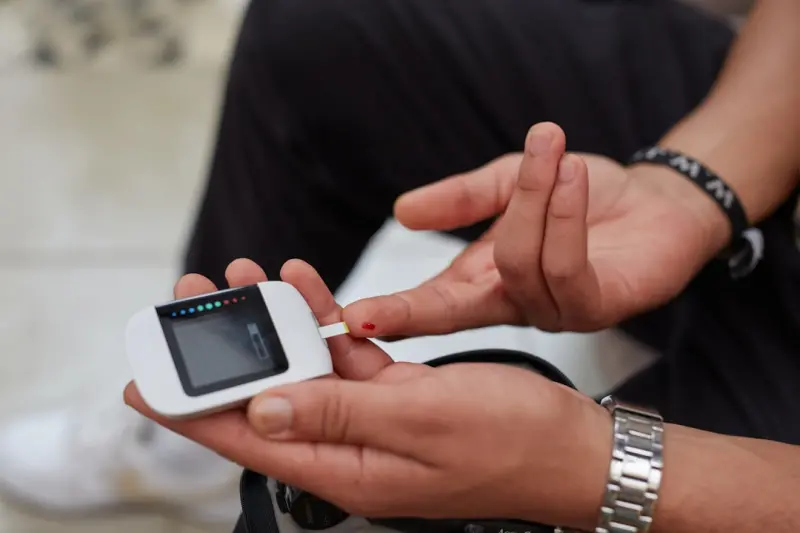
Micro‑Movement Moments: A Fresh Approach to Reversing Prediabetes
Learn how brief, intentional bursts of activity throughout the day can stabilize blood sugar, improv... Read More
Top Posts

Tiny Balance Drills and Everyday Habits: A Senior’s Blueprint for Independence
Learn how tiny balance exercises, everyday strength tools, mindful breathing, and social connections can safeguard senior independence and enhance overall healt...Read More

Breathe, Rest, Grow: The Untapped Science of Intra‑Set Rest for Muscle Gain
Learn how brief pauses and intentional breathing between reps can supercharge hypertrophy, improve technique, and keep joints healthy, all while fitting into yo...Read More
The Intersection of Aging and Chronic Health Conditions: A Holistic Approach to Senior Health
A holistic approach to senior health involves addressing physical, emotional, and social needs to manage chronic conditions and improve wellbeing. Learn how to ...Read More

Storytelling for Seniors: Turning Memories into Medicine
A guide for older adults on using personal narratives to sharpen memory, reduce stress, and foster community, turning cherished memories into a daily health pra...Read More
0 Comments
Post Comment
You will need to Login or Register to comment on this post!