
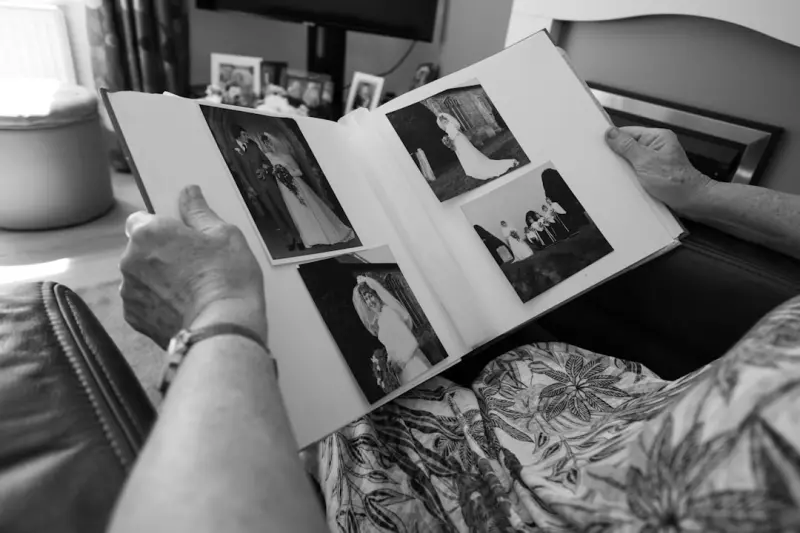
Why Stories Matter for the Aging Brain
When seniors sit down to recount a vivid childhood adventure or a beloved family tradition, they are doing more than sharing nostalgia; they are engaging neural pathways that protect against cognitive decline. Neuroplasticity does not shut down at retirement—it simply needs the right kind of stimulus, and the act of narrating personal history provides that stimulus in a uniquely multimodal fashion, combining language, emotion, and sensory recall. Research shows that regular storytelling can improve memory retrieval, bolster attention spans, and even lower stress hormones, creating a physiological environment where the brain can thrive well into the eighth decade and beyond.
Building a Storytelling Routine That Sticks
Start with a simple, time‑boxed ritual: set a 10‑minute slot after dinner, choose a comfortable chair, and let a single memory unfold without interruption. The key is consistency, not length; the brain learns to anticipate the mental workout and begins to allocate resources accordingly, much like a muscle that is gently exercised each day. Pair the verbal narration with a tactile cue—perhaps a smooth river stone or a cherished photograph—to anchor the memory in multiple sensory channels, amplifying the neural firing patterns that cement the experience. Over weeks, seniors often notice sharper recall of recent events, a feeling of mental lightness, and an unexpected boost in mood.
Leveraging Community to Amplify Benefits
Storytelling thrives in a social context, and turning a private habit into a communal activity multiplies its impact. Organize a weekly “Memory Circle” at the local senior center, where participants rotate the role of narrator, listener, and gentle facilitator, ensuring everyone gets a chance to both share and absorb. This shared space not only sharpens cognitive function but also combats loneliness, a hidden risk factor for many age‑related ailments. When listeners respond with curiosity—asking “What did the kitchen smell like?” or “How did you feel when…?”—they create a feedback loop that reinforces the storyteller’s confidence and deepens the collective memory bank.
Integrating Technology Without Losing the Human Touch
Modern devices can serve as powerful allies in preserving and sharing stories, but they must be introduced thoughtfully to avoid overwhelming seniors who may be wary of screens. Simple voice‑recording apps on tablets, paired with large‑print prompts, let elders capture their narratives verbatim, creating an archive that family members can revisit during holidays. When combined with the occasional video call to distant relatives, this digital bridge transforms isolated recollections into a living family chronicle, reinforcing intergenerational bonds. For those interested in expanding their digital comfort, the post Hidden Health‑Insurance Perks You’re Probably Missing offers a gentle introduction to navigating online resources safely.
Storytelling as a Gentle Form of Physical Exercise
While the activity is primarily mental, the posture and breathing patterns involved in clear narration provide subtle physical benefits. Sitting upright, inhaling deeply to project the voice, and gesturing with the hands engage core muscles, improve circulation, and enhance lung capacity—particularly valuable for seniors with mild respiratory constraints. Moreover, the rhythmic cadence of spoken language can act as a low‑impact cardio session, akin to the benefits described in Micro‑Progressive Hydration, where small, consistent actions lead to measurable health gains over time.
Creating Story Prompts That Spark Rich Narratives
- Describe a meal that defined a family celebration.
- Recall the first time you learned to ride a bicycle and the emotions that followed.
- Revisit a place where you felt truly at peace and detail the sounds you heard.
- Share a challenge you overcame and the lessons it taught you about resilience.
These prompts are deliberately open‑ended, inviting sensory detail and emotional depth, which are the ingredients that drive the brain’s encoding processes. By rotating through different themes each week, seniors avoid monotony and keep their storytelling muscles flexed, ensuring that the activity remains both enjoyable and neurologically stimulating.
Connecting Storytelling to Broader Health Strategies
When narrative practice is woven into a holistic wellness plan, its ripple effects can be profound. For instance, seniors who regularly share stories often report better sleep quality, as the mental unwinding replaces the intrusive thoughts that can keep the mind racing at night. Additionally, the emotional catharsis achieved through reminiscing can lower blood pressure, mirroring the benefits highlighted in Unlocking Hidden Levers for a Longer, Fuller Life. By positioning storytelling as a core pillar alongside nutrition and gentle movement, caregivers can craft a balanced regimen that addresses mind, body, and spirit.
Measuring Progress Without Obsessive Metrics
Unlike fitness tracking, the outcomes of storytelling are subtle and qualitative, but they can still be observed with mindful attention. Keep a simple journal beside the storytelling chair noting moments of increased clarity, reduced forgetfulness, or heightened enthusiasm during sessions. Over months, patterns emerge—perhaps a once‑vague recollection becomes vivid, or a shy participant begins to lead the circle confidently. These qualitative markers are powerful indicators that the brain is adapting positively, reinforcing the value of maintaining the practice even when measurable data is scarce.
Future Directions: Intergenerational Story Archives
Imagine a community library where seniors’ recorded stories are cataloged alongside school curricula, allowing children to learn history directly from those who lived it. Such an archive would serve as a cultural time capsule, preserving dialects, customs, and personal wisdom that might otherwise fade. Initiatives like this not only honor the elders’ contributions but also create a sense of purpose, which is a critical factor in sustaining mental health during later years. By championing these projects, seniors can transform their personal memories into collective heritage, ensuring that the therapeutic power of storytelling extends far beyond the individual.

Craig Brett is a freelancer with a passion for the outdoors. His love for nature inspires his work, bringing authentic and engaging perspectives to projects related to outdoor activities, adventure, and environmental topics.
Related Posts
The Importance of Mental Health in Seniors: A Holistic Approach
Mental health is critical for seniors' overall health. Learn about the challenges they face, such as... Read More

The Holistic Blueprint for Thriving Senior Health: Insights from William Roy
William Roy shares a holistic senior health guide, covering gut health, sleep, strength training, an... Read More
Tech-Enabled Trails: How Smart Outdoor Gear Is Redefining Senior Wellness
Smart outdoor gear transforms senior walks into safe, health‑tracking, and socially connected adve... Read More
Top Posts

How to Turn Health Insurance into a Holistic Wellness Ally
Learn to transform health insurance from a confusing necessity into a proactive, holistic wellness tool that supports preventive care, mental health, and smart ...Read More

Beyond the Cloud: Redefining Vaping Culture in the Remote Era
Vaping has quietly become the new coffee break for remote workers, weaving itself into digital routines, health tech, and sustainability conversations. This pos...Read More
Redefining Weight Loss: Identity, Micro‑Shifts, and Storytelling for Sustainable Change
A new weight‑loss roadmap uses identity, micro‑movements, and narrative journaling to create sustainable change beyond calorie counting....Read More
From Warning to Workshop: Redesigning Your Daily Routine to Reverse Prediabetes
The post reframes prediabetes as a design sprint, offering a step‑by‑step framework that uses data tracking, habit‑stacking, and community accountability ...Read More
0 Comments
Post Comment
You will need to Login or Register to comment on this post!