

Why Your Liver Is the Unsung Hero of Everyday Performance
When most people think about “organ health,” the liver rarely gets the spotlight. We hear more about heart health, gut health, or even brain health, while the liver quietly does its 24‑hour shift behind the scenes. I’ve spent the last decade coaching busy professionals to feel better, work smarter, and reclaim energy they didn’t know they’d lost. One pattern keeps popping up: the more my clients learn about the liver’s true role, the more they realize that a “healthy liver” isn’t just a medical footnote—it’s a performance upgrade.
In this post, I’m pulling back the curtain on the liver’s hidden superpowers, showing you how everyday choices (yes, even the coffee you sip at 9 am) influence this powerhouse, and offering practical, science‑backed steps you can start today. Whether you’re a project manager juggling deadlines, a creative entrepreneur chasing the next big idea, or simply someone who wants to feel less sluggish, the liver has a direct line to your productivity, mood, and long‑term vitality.
The Liver’s Triple‑Threat Function: Detox, Metabolism, and Storage
First, let’s demystify the three core jobs the liver performs every single day:
- Detoxification: The liver filters toxins—from alcohol and environmental pollutants to the by‑products of protein metabolism—transforming them into water‑soluble compounds that can be safely excreted.
- Metabolic Hub: It’s the command center for carbohydrate, fat, and protein metabolism. The liver decides whether glucose is stored as glycogen, released into the bloodstream, or converted into fat.
- Storage Facility: Vitamins (A, D, E, K) and minerals (iron, copper) find a safe vault in the liver, ready to be released when your body calls for them.
These tasks aren’t isolated; they intertwine with every other system. A sluggish detox pathway can leave you feeling foggy, a compromised metabolic balance can sabotage your weight goals, and depleted vitamin reserves can impair immunity. The liver truly is the body’s multitasking maestro.
How a Stressed Liver Manifests in Real Life
Imagine you’re in a high‑stakes client call, and halfway through you notice a sudden dip in focus, a metallic taste in your mouth, and an inexplicable craving for something sweet. Your brain is signaling that blood glucose is dipping, but the liver isn’t releasing glucose fast enough. This isn’t “just a caffeine crash.” It’s a symptom of a liver that’s overburdened.
Other common signs of a liver under stress include:
- Persistent bloating or a feeling of “fullness” after small meals.
- Unexplained fatigue that doesn’t improve after a good night’s sleep.
- Skin that looks dull, with occasional yellowish tints or spider‑like veins.
- Frequent headaches, especially after meals high in sugar or refined carbs.
If you recognize any of these patterns, it’s a cue to look beyond the usual suspects (like sleep or exercise) and ask, “What’s happening inside my liver?”
Gut‑Liver Axis: The Two‑Way Street You’ve Ignored
One of the most exciting research frontiers is the gut‑liver axis. The gut microbiome produces metabolites that travel straight to the liver via the portal vein. A balanced microbiome feeds the liver with short‑chain fatty acids (SCFAs) that support detox pathways. Conversely, a dysbiotic gut floods the liver with inflammatory compounds, nudging it toward fatty liver disease.
So, your daily probiotic habit—or lack thereof—doesn’t just affect digestion. It directly influences how efficiently your liver can detoxify and metabolize nutrients. For a quick win, try introducing fermented foods like kimchi, sauerkraut, or kefir into your routine. A handful each day can shift the microbial balance enough to lighten the liver’s load.
Nutrition Hacks That Speak Directly to the Liver
Below are evidence‑based nutrition strategies that give the liver a clear upgrade. I’ve tried these myself during marathon weeks of client work, and the difference is noticeable.
1. Prioritize Bitter Foods
Bitter compounds stimulate bile flow, which is essential for fat digestion and toxin elimination. Think dandelion greens, arugula, grapefruit, and turmeric. A morning smoothie with a pinch of turmeric, a splash of grapefruit juice, and a handful of kale is a liver‑loving starter.
2. Embrace “Smart” Carbs
Complex carbohydrates that are high in fiber slow glucose release, easing the liver’s glycogen‑replenishment duty. Swap white rice for quinoa, barley, or lentils. Adding a spoonful of chia seeds boosts soluble fiber, which binds to toxins in the gut and prevents reabsorption.
3. Limit Fructose Overload
Excessive fructose—found in sugary drinks, candy, and even “natural” sweeteners like agave—forces the liver to convert it into fat. Over time, this can lead to non‑alcoholic fatty liver disease (NAFLD). Keep fruit servings moderate (one to two servings per day) and choose whole fruit over juice.
4. Harness the Power of Milk Thistle
Milk thistle (silymarin) is a herb with a long history of supporting liver cell regeneration. A standard dose of 150 mg twice daily has been shown to improve liver enzyme markers in several studies. If you’re skeptical, start with a low‑dose supplement and monitor how you feel.
5. Stay Hydrated—But Smartly
Water is the transport medium for all detox processes. Yet, not all fluids are equal. Green tea, rich in catechins, provides antioxidant support that eases the liver’s oxidative burden. Aim for two cups a day, and keep plain water as your primary hydration source.
The Liver‑Brain Connection: Why Mental Clarity Starts With Hepatic Health
Ever notice that after a weekend of indulgent eating, your mental fog returns faster than the weight you gained? That’s the liver‑brain axis in action. When the liver is busy processing excess fats and sugars, it diverts energy away from the brain’s neurotransmitter synthesis. This can impair focus, mood, and even creativity.
Research shows that supporting liver health can improve brain fitness micro‑movements—tiny physical shifts that boost cognitive resilience—by ensuring the brain receives a steady supply of glucose and essential micronutrients.
In practice, this means that a short, liver‑friendly lunch (think salmon, leafy greens, and quinoa) can set the stage for sharper afternoon meetings, while a heavy, processed‑food lunch can sabotage even the most disciplined mind.
Practical Daily Routine to Keep Your Liver in Top Shape
Below is a “liver‑first” day plan that blends nutrition, movement, and mindset. Feel free to tweak it to your schedule.
- Morning (6:30 am – 8:00 am)
- Start with a glass of warm water mixed with a squeeze of lemon—this kick‑starts bile production.
- Enjoy a bitter‑rich smoothie: kale, dandelion greens, a half‑banana, turmeric, and unsweetened almond milk.
- Take a 150 mg milk thistle supplement (optional) and a multivitamin with B‑complex for liver‑specific support.
- Mid‑Morning (10:00 am)
- Snack on a handful of raw almonds and a few slices of apple. The healthy fats and fiber keep glucose stable.
- Take a 5‑minute “breath‑reset”—inhale for 4 seconds, hold for 4, exhale for 6. This reduces cortisol, which otherwise burdens the liver.
- Lunch (12:30 pm)
- Plate a serving of wild‑caught salmon (rich in omega‑3s) with roasted Brussels sprouts, quinoa, and a drizzle of olive oil.
- Include a side of fermented vegetables—kimchi or sauerkraut—to feed the gut‑liver axis.
- Afternoon (3:00 pm)
- Drink a cup of green tea (no added sugar). The catechins support antioxidant pathways.
- If you feel a dip in focus, try a quick stable blood sugar strategy: a small protein bite (e.g., Greek yogurt) paired with a few berries.
- Evening (6:30 pm)
- Enjoy a light dinner of lentil soup, mixed greens, and a slice of whole‑grain toast.
- Avoid heavy, greasy foods after 8 pm; the liver’s nightly repair processes are most efficient when the digestive load is low.
- Night (9:30 pm)
- Unplug from screens, dim the lights, and sip herbal tea (chamomile or peppermint).
- Journal for five minutes about three things you’re grateful for—positive emotions lower stress hormones, indirectly easing liver workload.
Following this pattern for a week can produce noticeable changes: clearer mental focus, steadier energy, and a reduction in that post‑lunch slump.
When to Seek Professional Help
While lifestyle tweaks can dramatically improve liver function, certain situations call for medical evaluation:
- Persistent jaundice (yellowing of skin or eyes).
- Unexplained swelling in the abdomen or legs.
- Elevated liver enzymes on routine blood work (ALT, AST) without an obvious cause.
- Chronic fatigue that lasts more than three months despite lifestyle changes.
Early detection of conditions like NAFLD or hepatitis can prevent long‑term damage. If you notice any red flags, book a visit with a hepatologist or your primary care provider.
The Bottom Line: Your Liver Is a Strategic Asset
In the hustle culture that defines modern work life, we often look for quick hacks—energy drinks, caffeine spikes, or “focus” supplements—to keep us moving forward. Yet, the most sustainable, high‑impact lever is right inside us: the liver. By treating it as a strategic asset rather than a background organ, you unlock more stable energy, sharper cognition, and a resilient immune system.
Start small. Replace one sugary snack with a bitter green, add a fermented side dish, or sip green tea instead of soda. Track how your mood, focus, and energy shift over a few weeks. You’ll likely find that the real “productivity hack” you’ve been searching for lives in the quiet, diligent work of your liver.
Remember, a thriving liver isn’t just a health goal—it’s a performance upgrade that pays dividends in every area of your life.

Sarah Gray is a proud Canadian who calls Brampton home, where she lives with her husband, Paul. A passionate home cook and gifted storyteller, Sarah loves creating delicious recipes and sharing stories inspired by everyday life, family, and cherished experiences. When she isn't experimenting in the kitchen, she's busy crafting engaging content that reflects her warmth, creativity, and love of connection. Above all, Sarah treasures time spent with her grandchildren, embracing every opportunity to create lasting memories with the people she loves most.
Related Posts

Seasonal Strategies to Supercharge Your Liver’s Vitality
Learn practical, season‑specific nutrition and lifestyle tips that align your diet, movement, and ... Read More

Unlocking Liver Longevity: A Holistic Blueprint for Everyday Resilience
A practical, holistic guide reveals how seasonal eating, adaptive fasting, micro‑movements, and ti... Read More

When the Clock Ticks: Aligning Your Workday with Liver Rhythm
Learn how the liver’s internal clock interacts with today’s hybrid work patterns and get practic... Read More
Top Posts

The Soundtrack of New Life: How Early Auditory Experiences Shape Infant Health
A newborn’s ears are active participants in development. This article explains how prenatal and early postnatal sounds shape brain wiring, sleep, stress, and ...Read More
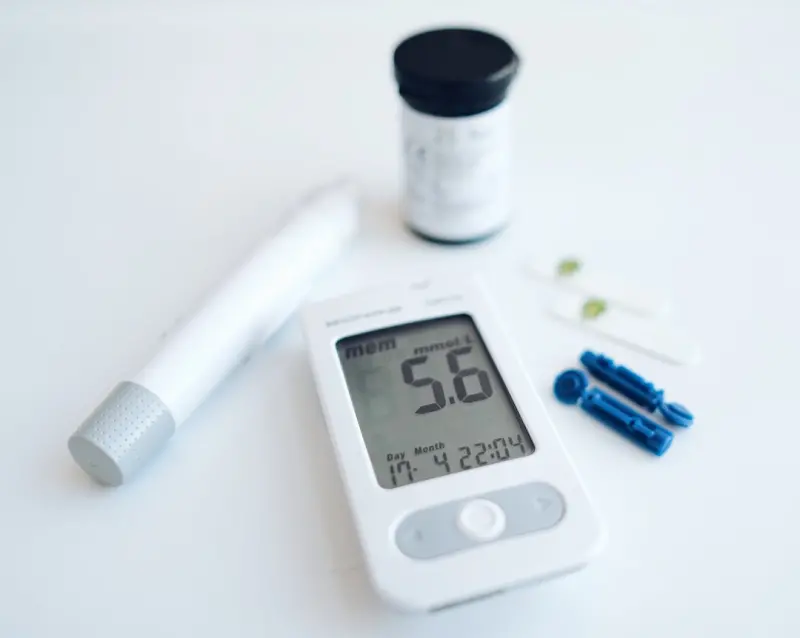
Turning Prediabetes Into a Competitive Edge: Small Wins for Big Metabolic Gains
Prediabetes can be a strategic health dashboard rather than a threat. Discover five actionable tactics—micro‑movement bursts, habit stacking, community stor...Read More

Cultivating Vitality: How Community Gardens Empower Senior Well‑Being
Community gardening offers seniors a powerful blend of exercise, cognitive stimulation, emotional resilience, and social connection. Learn the benefits, how to ...Read More

Untangling Sleep Terrors: A Personal Blueprint for Calm Nights
Becky Putman shares her journey through sleep terrors, offering actionable strategies—from breathing techniques and nutrition to creative reframing—to help ...Read More
0 Comments
Post Comment
You will need to Login or Register to comment on this post!