

The Intersection of Aging and Chronic Health Conditions: A Holistic Approach to Senior Health
As we age, our bodies undergo a range of changes that can impact our overall health and wellbeing. For seniors, managing chronic health conditions can be a significant challenge, and it's essential to adopt a holistic approach to address these issues. In this article, we'll explore the intersection of aging and chronic health conditions, and discuss how a holistic approach can help seniors maintain their health and independence. I've seen firsthand the impact that a comprehensive approach can have on senior health, and I'm excited to share my insights with you.
The Impact of Aging on Health
As we age, our bodies undergo a range of changes that can impact our health. Our metabolism slows down, our immune system weakens, and our bodies become more susceptible to chronic diseases. According to the World Health Organization (WHO), the majority of people over the age of 60 have at least one chronic health condition. These conditions can include diabetes, hypertension, heart disease, and dementia, among others. For instance, our previous article on the intersection of aging and chronic health conditions highlights the importance of addressing these issues through a holistic lens.
Chronic Health Conditions in Seniors
Chronic health conditions are a significant challenge for seniors, and can have a major impact on their quality of life. These conditions can cause a range of symptoms, from pain and discomfort to fatigue and cognitive impairment. In addition, chronic health conditions can also impact a senior's independence, making it difficult for them to perform daily tasks and maintain their social connections. A holistic approach to managing these conditions can help alleviate symptoms and improve overall health. For example, a balanced diet and regular exercise can help manage conditions like diabetes and hypertension.
A Holistic Approach to Senior Health
A holistic approach to senior health involves addressing the physical, emotional, and social needs of the individual. This approach recognizes that health is not just the absence of disease, but also the presence of physical, emotional, and social wellbeing. A holistic approach to senior health might include:
- Regular exercise and physical activity to maintain mobility and strength
- A balanced diet that meets the senior's nutritional needs
- Social connections and community engagement to maintain mental health
- Stress management and relaxation techniques to reduce anxiety and depression
- Access to healthcare services and support to manage chronic health conditions
The Importance of Nutrition
Nutrition plays a critical role in senior health, and a balanced diet is essential for maintaining physical and mental wellbeing. As we age, our nutritional needs change, and seniors may require more protein, calcium, and vitamin D to maintain their health. A holistic approach to nutrition might involve:
- Eating a balanced diet that includes plenty of fruits, vegetables, and whole grains
- Staying hydrated by drinking plenty of water and limiting sugary drinks
- Limiting processed and high-sugar foods that can exacerbate chronic health conditions
- Considering supplements, such as vitamin D and omega-3 fatty acids, to support overall health
The Role of Exercise
Exercise is another critical component of senior health, and regular physical activity can help maintain mobility, strength, and flexibility. Exercise can also help manage chronic health conditions, such as diabetes and hypertension, and reduce the risk of falls and injuries. A holistic approach to exercise might involve:
- Engaging in regular aerobic exercise, such as walking or swimming, to maintain cardiovascular health
- Incorporating strength training and flexibility exercises to maintain mobility and strength
- Finding activities that are enjoyable and social, such as group fitness classes or outdoor activities
Managing Stress and Anxiety
Stress and anxiety are common challenges for seniors, and can have a significant impact on their mental and physical health. A holistic approach to managing stress and anxiety might involve:
- Engaging in relaxation techniques, such as meditation or deep breathing
- Finding social connections and community engagement to reduce feelings of loneliness
- Getting enough sleep and maintaining a consistent sleep schedule
- Seeking support from healthcare professionals or mental health specialists
Access to Healthcare Services
Finally, access to healthcare services is critical for seniors, and a holistic approach to healthcare involves addressing the physical, emotional, and social needs of the individual. This might involve:
- Regular check-ups and screenings to monitor chronic health conditions
- Access to specialist care, such as cardiologists or endocrinologists, to manage complex conditions
- Coordination of care with other healthcare professionals, such as physical therapists or social workers
Conclusion
In conclusion, a holistic approach to senior health involves addressing the physical, emotional, and social needs of the individual. By adopting a comprehensive approach to health, seniors can maintain their independence, manage chronic health conditions, and improve their overall wellbeing. As we age, it's essential to prioritize our health and seek out healthcare services and support that address our unique needs.
Additional Resources
For more information on senior health and wellness, check out our previous articles on senior health. You can also explore the benefits of exercise for stress and anxiety management and the importance of nutrition for chronic health conditions.

Deb Roberts is a freelancer who writes on various subjects, bringing versatility and depth to her work. Alongside her broad writing expertise, she has a special passion for horses.
Related Posts

Holistic Paths to Senior Health and Vitality
Explore practical, holistic approaches to senior health, from mindful nutrition and gentle exercise ... Read More

The Unexpected Wellness Power of Digital Storytelling for Seniors
Digital storytelling blends memory recall, gentle motor activity, and social interaction, offering s... Read More
Tiny Trips, Big Benefits: A Senior’s Guide to Micro‑Adventures
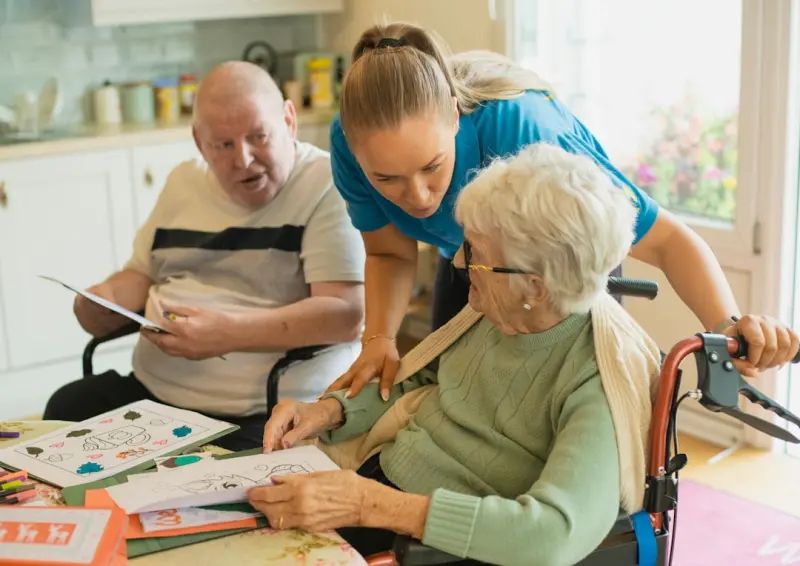
Micro‑adventures—short, low‑barrier outings close to home—offer seniors a powerful blend of ... Read More
Top Posts

The Real Cost of Vaping: Budgeting, Taxes, and Long‑Term Savings
Explore the hidden expenses, tax implications, and budgeting strategies of vaping. This guide helps you understand the true cost and decide if switching saves m...Read More
Physiotherapy Trends 2024: Tammy French’s Holistic Blueprint for Movement Mastery
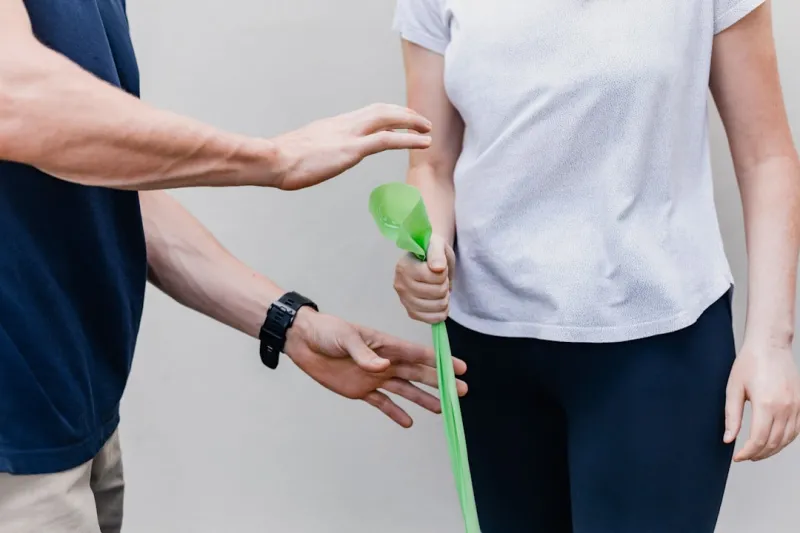
Tammy French shares a fresh, holistic take on physiotherapy, blending movement mastery, nutrition, and community to transform pain into thriving motion....Read More
Cultivating Cognitive Resilience Through Nature, Play, and Nutrition
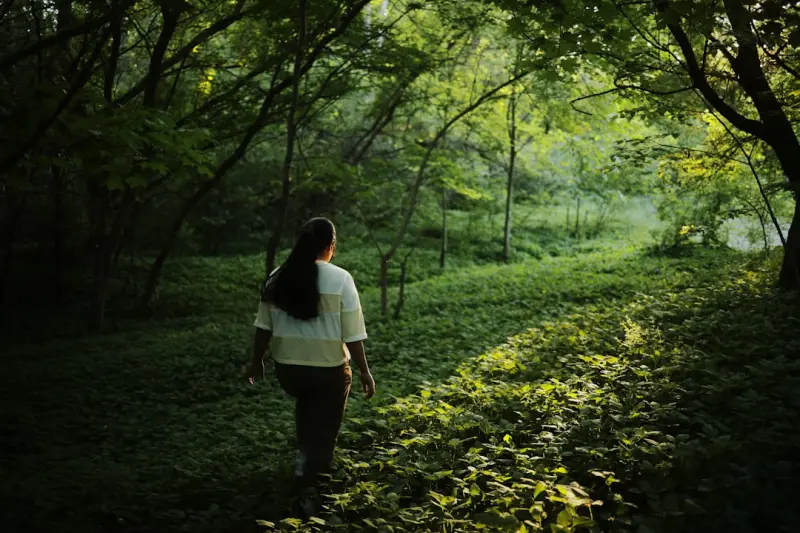
A practical guide that blends outdoor exposure, curiosity‑driven play, nutrient‑dense meals, strategic micro‑breaks, and social connection to strengthen b...Read More

Why Food, Sleep, and Data Are the New Triad for Autoimmune Management
Explore a fresh approach to autoimmune health by leveraging nutrition, sleep hygiene, and tech‑driven habit tracking for real, sustainable results....Read More
0 Comments
Post Comment
You will need to Login or Register to comment on this post!