

Prediabetes often feels like a silent alarm that only rings when the numbers on a lab report finally cross a threshold. Most of the public health conversation frames it as an individual battle—count your carbs, hit the gym, track your steps. While personal accountability is essential, there’s an under‑explored battlefield that can tip the scales dramatically: the workplace. From the layout of the break room to the cadence of meetings, the culture you help cultivate at work can either accelerate the march toward type 2 diabetes or serve as a catalyst for reversal.
The Hidden Metabolism of Office Hours
Think about a typical eight‑hour day. You sit at a desk, sip coffee, glance at a screen, and maybe squeeze in a lunch break that’s more “quick bite” than “nutrient reset.” This routine creates a metabolic environment ripe for insulin resistance:
- Prolonged sitting reduces muscle glucose uptake, forcing the pancreas to work harder.
- Irregular eating windows disrupt circadian rhythms that regulate hormone release, including insulin.
- Stress spikes trigger cortisol surges, which antagonize insulin’s effectiveness.
When these three factors combine, they form a perfect storm for prediabetes progression. The good news? Each element is malleable—and many can be reshaped by thoughtful workplace policies.
Designing Spaces That Move the Body
Research shows that even modest increases in daily movement can improve insulin sensitivity. Companies can embed activity into the physical environment without a full‑blown fitness mandate:
- Standing desks or height‑adjustable workstations encourage micro‑posture shifts.
- Staircase promotion—painting steps, adding motivational signage—makes the “take the elevator” default harder to justify.
- Walking meeting zones turn brainstorming sessions into low‑impact cardio.
When employees feel that movement is not only allowed but subtly encouraged, the cumulative effect can be substantial. A Steady Energy: A Practical Blueprint for Day‑Long Blood Sugar Balance guide demonstrates how these tiny shifts translate into steadier glucose curves over weeks.
Nutrition Architecture: Beyond the Cafeteria Menu
Food choices at work are often dictated by convenience, price, and habit. By rethinking the “food environment,” organizations can nudge employees toward glycemic‑friendly options:
- Strategic placement of fruit, nuts, and whole‑grain snacks at eye level in vending machines.
- Subsidized meal programs that partner with local farms to offer low‑glycemic lunches at reduced cost.
- Transparent labeling that highlights fiber content, added sugars, and net carbs.
When the default is a balanced plate rather than a sugary pastry, the subconscious decision‑making engine leans toward better blood‑sugar control. Moreover, offering cooking workshops during lunch breaks can turn nutrition education into a social activity, reinforcing learning through peer support.
The Stress Equation: Turning Pressure into Power
High‑intensity deadlines and constant email ping‑pong elevate cortisol, a hormone that antagonizes insulin. However, stress is not an inevitable casualty of modern work—it can be managed, measured, and mitigated. Emerging technologies are turning the tide:
- Biofeedback wearables that alert users to rising heart rate variability (HRV) and suggest breathing exercises.
- Mindfulness micro‑sessions built into calendar blocks, encouraging a five‑minute reset before critical meetings.
- Team‑level debriefs that focus on psychological safety, reducing the chronic anxiety that fuels cortisol.
Integrating these tools aligns with the insights from Unlocking Stress Resilience: How Biofeedback Wearables Are Changing Health, showing that when employees can see stress metrics in real time, they become more proactive about mitigation.
Data‑Driven Personalization at Scale
One-size-fits-all wellness programs often fall short because individual metabolic responses vary widely. Companies can leverage anonymized health data—such as aggregated step counts, sleep patterns, and even continuous glucose monitoring (CGM) trends—to tailor interventions:
- Segmented challenges (e.g., “low‑impact cardio week” for sedentary clusters, “fiber‑rich recipe swap” for high‑carb eaters).
- Predictive alerts that notify managers when a team’s average stress score spikes, prompting a wellness break.
- Feedback loops where employees receive monthly reports linking workplace habits to glucose trends, reinforcing causality.
When data demonstrates a clear connection between workplace behavior and metabolic health, engagement rises dramatically. Employees see the tangible impact of small changes, turning abstract advice into actionable insight.
Leadership Modeling: The Ripple Effect
Culture is a top‑down construct. Executives who publicly prioritize movement, balanced meals, and mental health set a precedent that ripples through the organization. Practical steps for leaders include:
- Scheduling walking stand‑ups instead of traditional sit‑down meetings.
- Sharing personal nutrition experiments—like swapping a morning doughnut for a protein‑rich bowl.
- Championing “no‑meeting” blocks to allow deep work and mental decompression.
These visible actions validate the company’s commitment, encouraging employees to adopt similar habits without feeling singled out or pressured.
Measuring Success: Beyond the Metric
Traditional wellness ROI focuses on reduced healthcare claims or absenteeism. While important, these lagging indicators miss the day‑to‑day impact on prediabetes. A more nuanced dashboard might include:
- Average daily steps per employee.
- Percentage of meals logged as low‑glycemic.
- Mean HRV score during work hours.
- Self‑reported energy levels and mood.
By tracking these leading indicators, organizations can iterate quickly, scaling interventions that demonstrate real metabolic benefits.
Case Study: A Mid‑Size Tech Firm’s Turnaround
Acme Solutions, a 400‑person software company, faced rising health insurance costs tied to prediabetes diagnoses. They launched a three‑phase program:
- Infrastructure: Installed standing desks, added stairwell art, and revamped the cafeteria with a “low‑glycemic” menu.
- Technology: Provided employees with HRV‑tracking wearables and optional CGM devices, integrating data into a secure wellness portal.
- Culture: Instituted “Movement Mondays,” hosted monthly cooking demos, and required leaders to lead by example.
Within twelve months, the average fasting glucose among participants dropped by 8 mg/dL, and the company reported a 15 % reduction in prediabetes‑related claims. Employee surveys also highlighted a 20 % boost in perceived energy and job satisfaction.
Implementing Your Own Workplace Prediabetes Playbook
Starting small can yield outsized results. Here’s a pragmatic rollout plan:
- Audit: Survey employees on movement habits, snack preferences, and stress triggers.
- Pilot: Choose one department to test standing desks, a weekly walking meeting, and a nutrition workshop.
- Iterate: Collect data (steps, HRV, self‑reports) and refine based on feedback.
- Scale: Expand successful tactics company‑wide, embedding them into onboarding and performance reviews.
Remember, the goal isn’t a one‑size‑fits‑all solution but a flexible ecosystem that empowers each employee to make metabolic‑friendly choices within the flow of their workday.
The Future: AI‑Powered Workplace Health
Artificial intelligence is poised to personalize workplace wellness at an unprecedented scale. Imagine an AI assistant that, based on your calendar, suggests a 5‑minute stretch before a back‑to‑back meeting, or recommends a low‑glycemic snack when it detects a prolonged fasting period. When combined with real‑time biometric data, these nudges become contextually relevant, increasing the likelihood of adherence.
Companies that invest in such predictive, adaptive systems will not only curb prediabetes rates but also position themselves as forward‑thinking employers—a competitive advantage in talent acquisition and retention.
Prediabetes doesn’t have to be a solitary fight. By reengineering the workplace—from desks to data, from snacks to stress‑management—organizations can transform a hidden health risk into a catalyst for collective well‑being. The office, once seen as a metabolic liability, can become the most powerful ally in reversing prediabetes.

Lifan Chen is a freelancer based in Toronto specializing in marketing. With expertise in crafting effective marketing strategies and campaigns, Lifan helps businesses grow their brand presence and reach target audiences. As a Toronto-based freelancer, Lifan combines local market insights with creative marketing skills to deliver tailored solutions for clients.
Related Posts
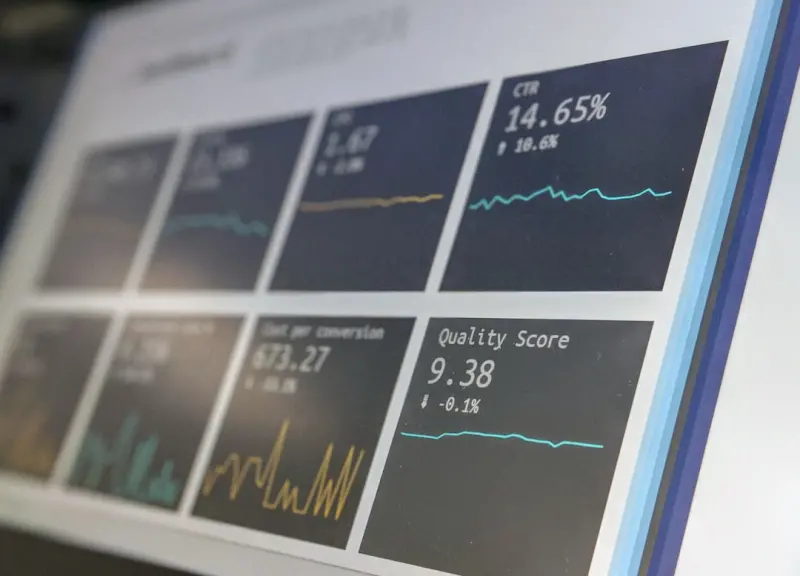
Predictive Analytics: Reframing Prediabetes as a Power Move
A data‑centric look at prediabetes shows how real‑time glucose tracking, targeted micro‑adjust... Read More
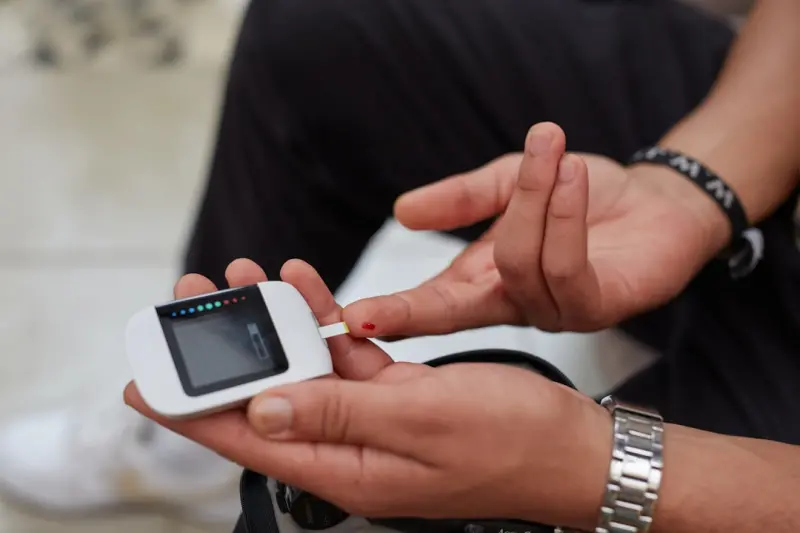
Micro‑Movement Moments: A Fresh Approach to Reversing Prediabetes
Learn how brief, intentional bursts of activity throughout the day can stabilize blood sugar, improv... Read More
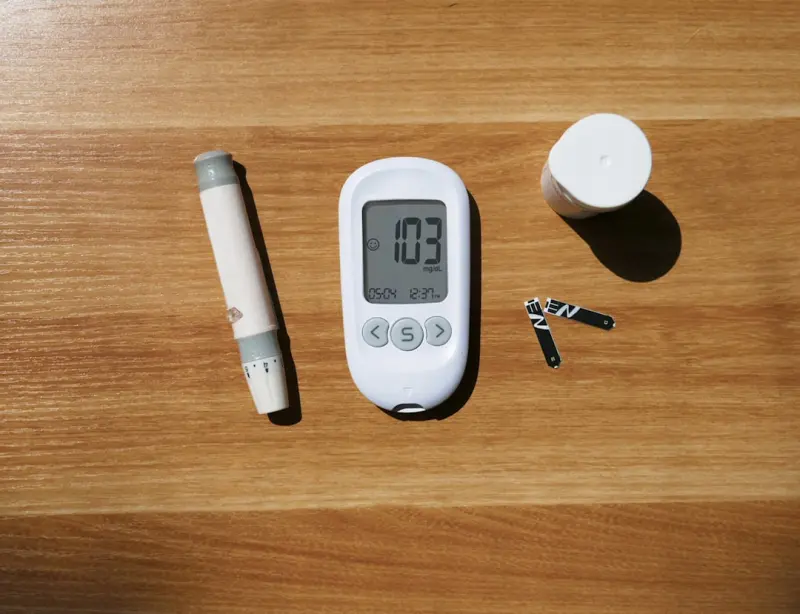
Living with Prediabetes: A Personal Journey from Stigma to Strength
A candid look at the emotional rollercoaster of prediabetes, offering practical tips to reshape soci... Read More
Top Posts

Navigating Sleep Terrors: A Practical Guide to Calm Nights
Sleep terrors can feel overwhelming, but understanding their triggers and applying practical habits can restore calm. This guide offers actionable tips for a pe...Read More

Glucose Guardians: Harnessing Everyday Moments to Stabilize Blood Sugar
A practical guide to everyday habits—like micro‑pauses, fiber‑rich foods, light exposure, and smart tech use—that help stabilize blood sugar without dra...Read More

Night‑Time Fear as a Hidden Performance Leak: A Data‑First Playbook for Leaders
A data‑driven guide reveals how executives can spot early signs of night‑time panic, apply brief daytime practices, and use tech feedback loops to restore m...Read More
Seasonal Body Detox: Aligning Your Cleanse with Nature’s Rhythm
Learn how to harness the power of spring greens, summer herbs, autumn roots, and winter broths for a gentle, effective body detox that respects your body’s na...Read More
0 Comments
Post Comment
You will need to Login or Register to comment on this post!