
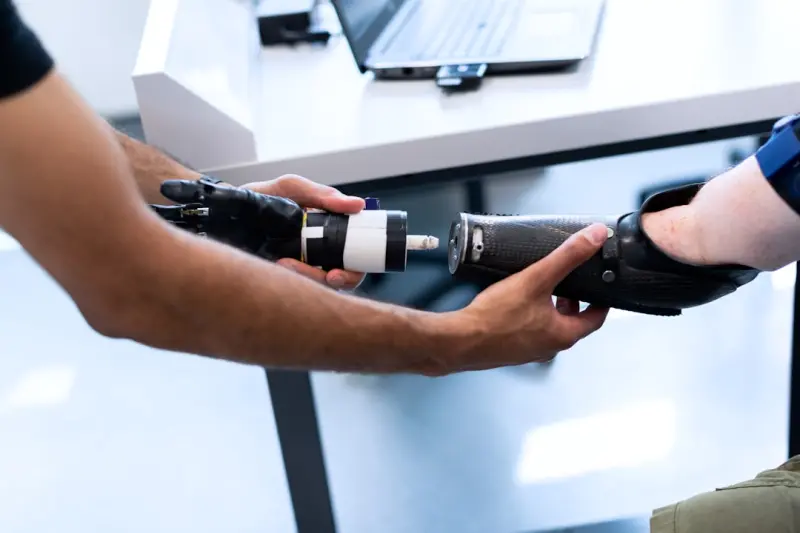
Immersive Tech Meets Hands‑On Healing: The New Frontier of Physiotherapy
When I first stepped into a virtual‑reality (VR) suite for a client recovering from a rotator‑cuff surgery, I expected a novelty gimmick. What I encountered was a transformative tool that let us visualize movement patterns in three dimensions, adjust resistance on the fly, and engage the patient’s brain in ways a traditional clinic room simply can’t.
Physiotherapy has always been a balance of art and science—manual techniques, prescribed exercises, and patient education. In the last few years, a wave of immersive technologies—VR, augmented reality (AR), and sensor‑rich wearables—has begun to tip that balance toward a data‑driven, experience‑focused practice. This shift isn’t about replacing the therapist’s hands; it’s about augmenting them with insights that were previously hidden in the “felt but not seen” realm of muscle activation and proprioception.
Why Immersive Tech Isn’t Just a Fancy Toy
Patients often struggle with adherence. A prescribed set of heel slides or bridges can feel monotonous after the third day, leading to drop‑off rates that hurt outcomes. Immersive environments turn these repetitive motions into purposeful quests. Imagine a patient with knee osteoarthritis navigating a serene mountain trail, where each step triggers real‑time feedback on knee valgus and weight‑bearing symmetry. The gamified element boosts motivation, while the underlying analytics ensure that every step is therapeutic, not just entertaining.
Beyond motivation, immersive tech provides a quantifiable baseline. Sensors embedded in headsets or handheld controllers capture joint angles, velocity, and muscle fatigue with millisecond precision. This data creates a dynamic “movement fingerprint” that therapists can compare across sessions, spotting subtle regressions or breakthroughs that would otherwise go unnoticed.
From Passive Observation to Active Collaboration
One of the most profound changes is the shift in the therapist‑patient relationship. In a conventional setting, the therapist observes, corrects, and records notes after the session. With immersive platforms, patients can see their own biomechanics in real time, represented by glowing pathways or color‑coded zones. This visual feedback empowers them to self‑correct, fostering a sense of ownership over their recovery.
For example, during a VR balance game, a client recovering from a concussion can see a heat map of their center‑of‑mass drift. When they over‑compensate, the map flashes red, prompting an immediate adjustment. The therapist, watching from a separate console, can intervene with a verbal cue, but the primary learning loop is now patient‑centric.
Integrating Immersive Sessions with Traditional Therapy
Immersive tech should complement, not replace, hands‑on techniques. A typical hybrid program might look like this:
- Assessment Phase: Use motion‑capture wearables to map baseline range of motion and identify compensatory patterns.
- Hands‑On Session: Apply manual therapy to address soft‑tissue restrictions while the therapist notes areas that need focused retraining.
- Immersive Training: Transition the patient to a VR module that targets those specific deficits, delivering precise repetitions with instant visual feedback.
- Progress Review: Compare sensor data from the VR session to the original baseline, adjusting the manual techniques and home‑exercise prescription accordingly.
This loop creates a continuous feedback system, ensuring that each hands‑on encounter is informed by objective data collected in the digital realm.
Case Study: Rehabilitating a Post‑Surgical Shoulder
John, a 42‑year‑old software engineer, suffered a full‑thickness supraspinatus tear and underwent arthroscopic repair. Traditional rehab stalled after six weeks; his pain scores plateaued, and he reported boredom with the repetitive rotator‑cuff exercises.
We introduced a VR module that simulated reaching for objects on a virtual kitchen counter, each task calibrated to his prescribed range of motion. The system recorded scapular tilt and humeral elevation angles, providing a real‑time overlay that highlighted any deviation from the target trajectory.
Within three weeks, John’s active shoulder flexion improved by 20°, and his pain score dropped from a 6/10 to a 2/10 during daily activities. Moreover, his compliance surged—he logged in for extra sessions on weekends because the experience felt more like a game than therapy.
Data Privacy and Ethical Considerations
With great data comes great responsibility. Immersive platforms collect granular biomechanical data, which can be considered health information under many privacy regulations. Therapists must ensure that the chosen technology complies with standards such as HIPAA or GDPR, depending on the jurisdiction.
Transparency is key: patients should receive clear consent forms outlining what data is captured, how it will be stored, and who has access. Additionally, therapists must be trained not only in the clinical application but also in the ethical stewardship of digital health data.
Choosing the Right Technology for Your Practice
Not all immersive solutions are created equal. Here are some criteria to evaluate:
- Hardware Compatibility: Does the system integrate with existing wearable sensors or EMG devices you already use?
- Clinical Content Library: Are there evidence‑based modules for the conditions you treat (e.g., low back pain, post‑stroke gait training)?
- Customization: Can you tailor the difficulty and visual feedback to individual patient needs?
- Ease of Use: Is the interface intuitive for both therapist and patient, minimizing setup time?
- Data Export: Does the platform allow you to export raw data for further analysis or integration with electronic health records?
Investing in a scalable solution will pay dividends as you expand the range of conditions you address, from sports injuries to chronic neurological disorders.
Bridging the Gap: The Role of Traditional Tech
Immersive tools are powerful, but they work best when combined with the broader ecosystem of health tech. For instance, everyday technology that monitors physiological signals can feed into the VR environment, adjusting difficulty based on heart rate variability or blood oxygen levels. This creates a truly adaptive rehab experience that responds not just to movement but to the body’s internal state.
Similarly, the principles outlined in movement as a brain‑body synergy reinforce the importance of neuroplasticity in recovery. Immersive platforms can harness this synergy by providing rich, multi‑sensory stimuli that encourage the brain to rewire pathways—an advantage that static exercises lack.
The Future: From Reactive to Proactive Rehabilitation
Imagine a world where a patient’s smartwatch detects a subtle decline in gait symmetry during a morning walk, triggers an automated recommendation for a 10‑minute VR balance session, and logs the outcome directly into the therapist’s dashboard. This proactive model shifts physiotherapy from a reactive, appointment‑based service to a continuous, preventative health strategy.
Such integration will likely be driven by advances in artificial intelligence, where algorithms predict risk of re‑injury based on longitudinal data. The therapist’s role will evolve into a curator of personalized digital experiences, ensuring that each recommendation aligns with the patient’s goals, preferences, and clinical realities.
Getting Started: A Practical Checklist
Ready to dip your toes into immersive physiotherapy? Here’s a quick starter kit:
- Identify a Pilot Population: Choose a condition with clear functional goals (e.g., post‑operative knee rehab).
- Select a Platform: Opt for a solution that offers a free trial or demo, allowing you to test usability.
- Train Your Team: Allocate time for therapists to become comfortable with both hardware and software.
- Establish Data Protocols: Draft consent forms and data management policies before enrolling patients.
- Measure Outcomes: Define success metrics (range of motion, pain scores, adherence rates) to evaluate efficacy.
- Iterate: Gather feedback from patients and refine the experience—perhaps by adding more realistic environments or adjusting feedback intensity.
Remember, the technology is a catalyst; the real engine is your clinical expertise and the therapeutic relationship you nurture.
Conclusion: Embrace the Blend of Science, Art, and Immersion
Physiotherapy is at an inflection point where tactile expertise meets cutting‑edge digital immersion. By thoughtfully integrating VR, AR, and sensor‑rich wearables, therapists can deliver more engaging, data‑driven, and personalized care. The future isn’t about abandoning the hands‑on approach; it’s about expanding the therapist’s toolkit to include immersive experiences that accelerate recovery, boost adherence, and empower patients to become active partners in their healing journey.

Kelly Reynolds is a dynamic freelance writer hailing from the picturesque landscapes of Alberta. A master of the written word, she juggles her passion for storytelling with the exhilarating chaos of being a mother to five spirited children. With an impressive portfolio that spans various genres, Kelly captivates readers through her engaging blog posts and thought-provoking articles.
Related Posts
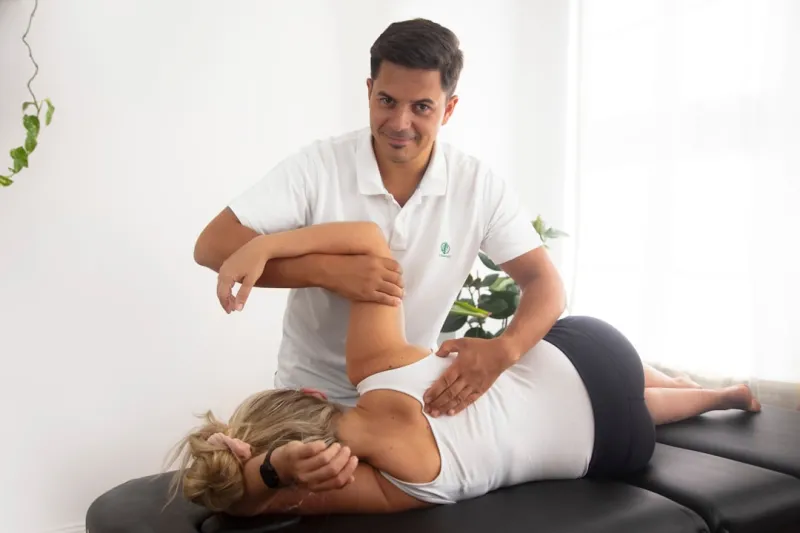
Holistic Physiotherapy: Healing the Body, Mind, and Lifestyle
Explore the power of holistic physiotherapy, where mindful movement, breath, nutrition, and lifestyl... Read More
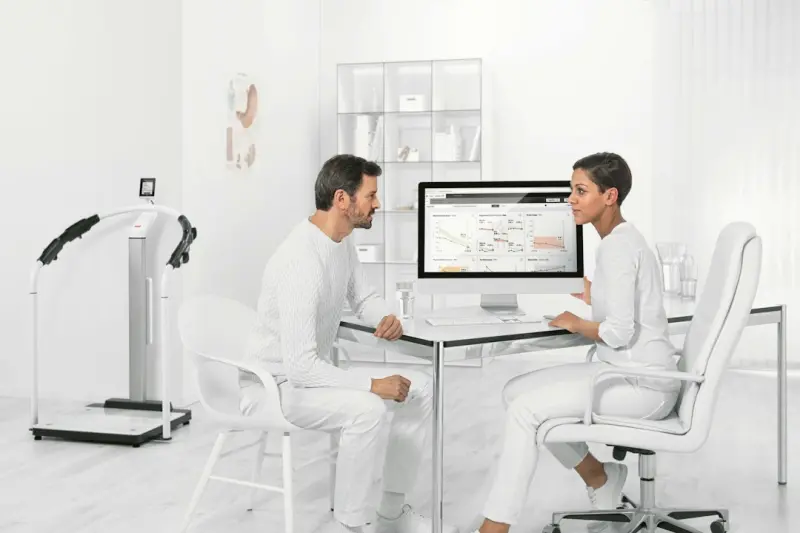
Beyond the Clinic: How AI and Motion Capture are Redefining Physiotherapy
The post examines how artificial intelligence, motion‑capture, virtual reality, and wearable senso... Read More
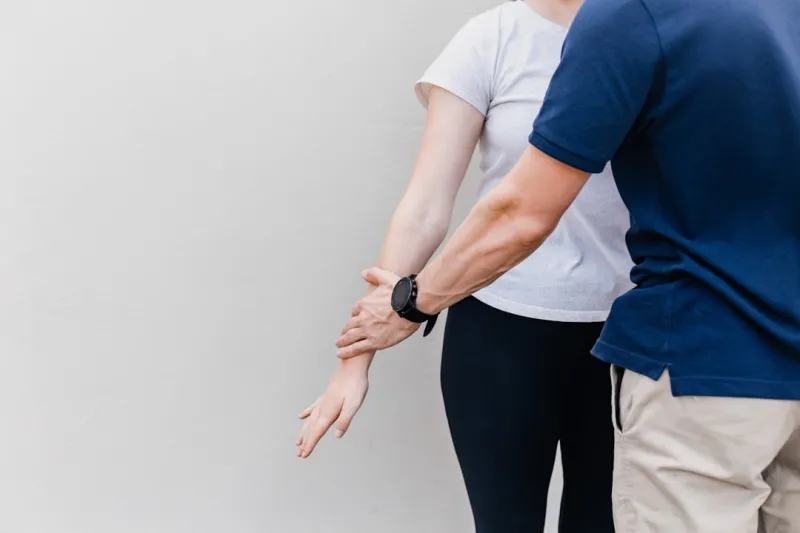
Physiotherapy’s Fresh Wave: Holistic Trends Shaping the Future
Explore the newest holistic trends in physiotherapy, from tele‑rehab to gut health integration, an... Read More
Top Posts

Nurturing Infant Health: Micro‑Habits, Touch, and Mindful Presence
Explore how micro‑habits, gentle touch, and mindful routines create a resilient foundation for infant health, offering practical tips for parents seeking natu...Read More

Rethinking Blood Pressure: Small Daily Levers for Big Calm
A fresh take on blood pressure management, focusing on tiny daily practices like intentional breathing, micro‑movements, nutrient layering, metabolic flexibil...Read More

Cold Exposure Therapy: How Ice Baths and Chill Showers Supercharge Your Health
Cold exposure, from brief ice‑water hand dips to full‑body ice baths, triggers powerful physiological responses that improve immunity, metabolic health, and...Read More

Why Baby Skin-to-Skin Time Is a Game-Changer for Long-Term Health
Skin-to-skin contact isn’t just a sweet moment; it’s a science‑backed practice that strengthens immunity, nurtures brain growth, and builds lasting parent...Read More
0 Comments
Post Comment
You will need to Login or Register to comment on this post!