

Why I’m Re‑Imagining Blood Pressure Management
When I first learned that my systolic number was flirting with the high‑normal range, I felt the same mix of dread and curiosity that many of us feel when a routine lab result nudges us out of the comfort zone. Instead of seeing it as a looming health crisis, I decided to treat it as a secret invitation—an invitation to explore the tiny, often‑overlooked habits that whisper to our arteries every hour of the day. This article isn’t a lecture on medication adherence or a repeat of the usual salt‑reduction checklist. It’s a field guide to the micro‑adjustments that, when practiced consistently, can turn a “borderline” number into a steady, relaxed rhythm.
Blood Pressure Isn’t Just a Number—It’s a Conversation
Think of your blood pressure as a dialogue between your heart, your blood vessels, and the environment you create around them. When stress spikes, the conversation gets loud; when you introduce calming cues, the tone softens. This perspective shifts the focus from “fixing” a static value to nurturing a dynamic, responsive system.
In my own practice, I started logging not just the readings, but the context around them: what I ate, how I moved, the ambient noise level, even the emotional hue of the day. Patterns emerged quickly—late‑night screen time, rushed meals, or a single tense meeting could nudge the numbers upward.
1. Breathwork: The Under‑Used Dial
Most of us hear about cardio and diet, but few appreciate how a few minutes of intentional breathing can dial down vascular resistance. The mechanism is simple: slow, diaphragmatic breaths stimulate the vagus nerve, which in turn prompts the heart to beat more slowly and the blood vessels to relax.
- Box breathing (4‑4‑4‑4): Inhale for four counts, hold for four, exhale for four, hold again for four. Repeat for 3–5 minutes before a stressful call.
- Coherent breathing (5‑6 breaths per minute): Aim for a gentle 5‑second inhale and a 5‑second exhale. This rhythm aligns heart‑rate variability (HRV) with your breathing, a proven predictor of lower blood pressure.
In my office, I placed a small reminder card on my monitor that reads, “Breathe in calm, exhale pressure.” It’s a tiny visual cue, but it has saved me from countless spikes during back‑to‑back meetings.
2. Micro‑Movements and Posture Hacks
We’ve all heard the advice to “stand up and stretch” after an hour at the desk. The reality is that even subtle posture shifts can influence the arterial pressure wave. Slouching compresses the thoracic cavity, making the heart work harder; a neutral spine opens the diaphragm, allowing deeper breaths and smoother circulation.
Here are three micro‑movement rituals I’ve adopted:
- Seated cat‑cow (30 seconds): While seated, arch your back and look up (cow), then round your spine and tuck the chin (cat). This mobilizes the thoracic spine and encourages diaphragmatic breathing.
- Desk‑side calf raises (10 reps): Stand behind your chair, lift onto your toes, hold for two seconds, and lower. Engaging the calf muscle pump aids venous return, easing pressure on the heart.
- Mid‑day posture reset (1 minute): Place a small foam roller or rolled towel behind your lower back, sit upright, and gently roll your shoulders back. This re‑aligns the rib cage for optimal lung expansion.
These movements are quick enough to slip into any calendar block, yet they create a cumulative effect that keeps the vascular system “loosened up” throughout the day.
3. Nutrition Beyond Salt: The Power of Nutrient Layering
While reducing sodium is a classic recommendation, the way we combine foods can be just as influential. Think of meals as a stack of “pressure‑modulating” layers—fiber, potassium, magnesium, and healthy fats—all working together to smooth the blood pressure curve.
For a practical illustration, check out the concept of nutrient layering. By pairing a potassium‑rich banana with a handful of almonds (magnesium) and a drizzle of olive oil (monounsaturated fats), you create a synergistic effect that supports vascular tone and reduces sodium absorption.
My go‑to breakfast now looks like this:
- Greek yogurt (protein, calcium)
- Mixed berries (antioxidants)
- Chia seeds (omega‑3s, fiber)
- Slice of whole‑grain toast topped with avocado (potassium, healthy fat)
This combo delivers a balanced release of glucose, steady electrolytes, and anti‑inflammatory compounds—each a subtle pressure‑balancing agent.
4. Metabolic Flexibility: Harnessing Adaptive Thermogenesis
One of the less talked about allies in blood pressure control is the body’s ability to toggle between fuel sources—a process called adaptive thermogenesis. When you train your metabolism to efficiently switch from glucose to fat, you reduce the sympathetic “fight‑or‑flight” signaling that can raise blood pressure.
Incorporating short, high‑intensity intervals (HIIT) or even brisk walks in cooler environments can stimulate this metabolic switch. The result? A calmer nervous system and less vasoconstriction.
If you’re curious about the science behind this, the article on adaptive thermogenesis breaks down how brief exposures to mild cold or metabolic challenges can rev up your “fat‑burning engine” without the need for lengthy gym sessions.
My routine: three 5‑minute “cold bursts” each week—either a cool shower after a workout or a walk outside when the temperature dips a few degrees. It’s a simple habit that feels like a secret weapon.
5. Gut Health: The Unexpected Blood Pressure Moderator
Emerging research suggests that a healthy gut microbiome can influence blood pressure by modulating inflammation and producing short‑chain fatty acids that help relax blood vessels. In other words, the microbes in your gut are quietly negotiating with your arteries.
To nurture this internal ecosystem, I focus on:
- Fermented foods (kimchi, kefir, sauerkraut) for probiotic diversity.
- Prebiotic fibers (onion, garlic, asparagus) that feed beneficial bacteria.
- Limiting ultra‑processed snacks that promote dysbiosis.
For a deeper dive into the gut‑brain‑vascular connection, the piece on gut health offers actionable insights for executives—though the principles apply to anyone looking to lower their numbers.
Since integrating a daily probiotic smoothie, I’ve noticed smoother mornings, fewer mid‑day cravings, and a modest but consistent dip in my systolic reading.
6. Digital Feedback Loops: Turning Data into Habits
We live in an age where a tiny cuff on your wrist can deliver real‑time blood pressure trends. Rather than treating these readings as isolated events, use them as immediate feedback for your lifestyle experiments.
Here’s my three‑step loop:
- Capture: Log your reading alongside contextual notes (stress level, food, activity).
- Analyze: At the end of each week, spot patterns—maybe your pressure spikes after a late‑night Netflix binge.
- Adjust: Implement a micro‑change (e.g., a 10‑minute walk before bedtime) and observe the next day’s impact.
The key is to keep the data “light” and non‑judgmental. When you treat the numbers as a friendly coach rather than an authoritarian judge, you’re more likely to experiment and stick with what works.
Putting It All Together: A 7‑Day Starter Blueprint
Ready to test the concepts? Here’s a gentle, week‑long plan that integrates the above strategies without overwhelming you.
| Day | Morning | Midday | Evening |
|---|---|---|---|
| 1 | Coherent breathing (5‑minute) | Seated cat‑cow (30 sec) + probiotic yogurt | Cold‑shower burst (2 min) |
| 2 | Nutri‑layered breakfast (berries, chia, avocado toast) | Walk briskly for 10 min in cooler air | Box breathing before bed |
| 3 | Quick HRV check (optional wearable) | Desk‑side calf raises (10 reps) + kimchi side | Fermented tea (kombucha) + posture reset |
| 4 | Coherent breathing | Mid‑day micro‑stretch (seated twists) | Cold‑shower burst |
| 5 | Nutri‑layered lunch (leafy greens, quinoa, nuts) | 10‑minute walk + probiotic smoothie | Box breathing + journal context notes |
| 6 | HRV check + gratitude note | Desk posture reset + prebiotic snack (apple) | Cold‑shower burst + light reading |
| 7 | Coherent breathing | Gentle yoga flow (focus on diaphragmatic breathing) | Reflect on trends, adjust next week’s plan |
After the week, review your logged readings. You’ll likely see a subtle yet measurable shift—not a miracle cure, but a clear trend toward calm.
Final Thoughts: Embrace the Micro‑Shift Mindset
Managing blood pressure doesn’t have to be a massive overhaul or a dreaded medical regimen. By treating your circulatory system as a conversation partner and employing micro‑shifts—breath, posture, nutrient layering, metabolic nudges, gut care, and data loops—you become the author of your own vascular story.
Remember, consistency beats intensity. The goal isn’t a single heroic effort, but a series of tiny, repeatable actions that, over weeks and months, rewrite the baseline of your blood pressure. If you’re curious about any of the deeper science behind these habits, dive into the linked articles; they’ll give you the evidence‑backed confidence to keep experimenting.
Here’s to a calmer pulse, a steadier rhythm, and the quiet confidence that comes from knowing you’ve built a resilient, responsive system—one breath, one bite, one step at a time.

Deb Roberts is a freelancer who writes on various subjects, bringing versatility and depth to her work. Alongside her broad writing expertise, she has a special passion for horses.
Related Posts

Dynamic Flow: A Moving Blueprint for Natural Blood Pressure Balance
Learn how rhythmic movement, breath‑synchronized exercises, and strategic nutrition can turn every... Read More

The Quiet Power of Everyday Rituals: A Fresh Take on Blood Pressure Management
A practical guide that transforms blood pressure care into a series of mindful, sensory‑rich ritua... Read More

Community Ways to Lower Blood Pressure
Discover how building a supportive community, leveraging micro‑habits, and incorporating playful c... Read More
Top Posts

Rethinking Liver Wellness in a Fast‑Paced World
Discover practical strategies to support liver health beyond detox trends, focusing on circadian rhythm, nutrient timing, toxin reduction, and low‑effort tech...Read More
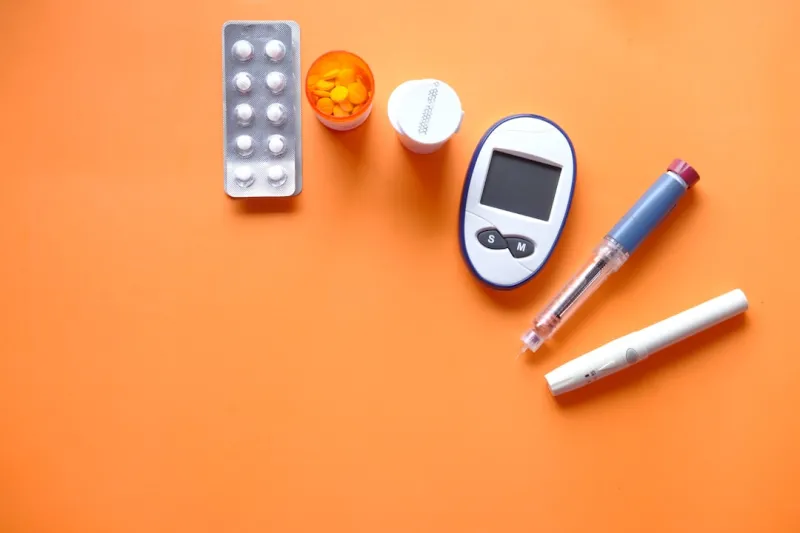
Managing Blood Sugar Levels: A Holistic Approach to Wellness
Learn how to manage blood sugar levels through a holistic approach, incorporating nutrition, physical activity, stress management, and mind-body therapies for o...Read More

Seasonal Food Swaps: A Fresh Path to Deep Body Detox
Learn how swapping foods with each season fuels liver enzymes, diversifies the gut microbiome, and creates a sustainable, low‑effort detox routine that fits s...Read More
Rethinking Blood Pressure: Small Daily Levers for Big Calm
A fresh take on blood pressure management, focusing on tiny daily practices like intentional breathing, micro‑movements, nutrient layering, metabolic flexibil...Read More
0 Comments
Post Comment
You will need to Login or Register to comment on this post!