
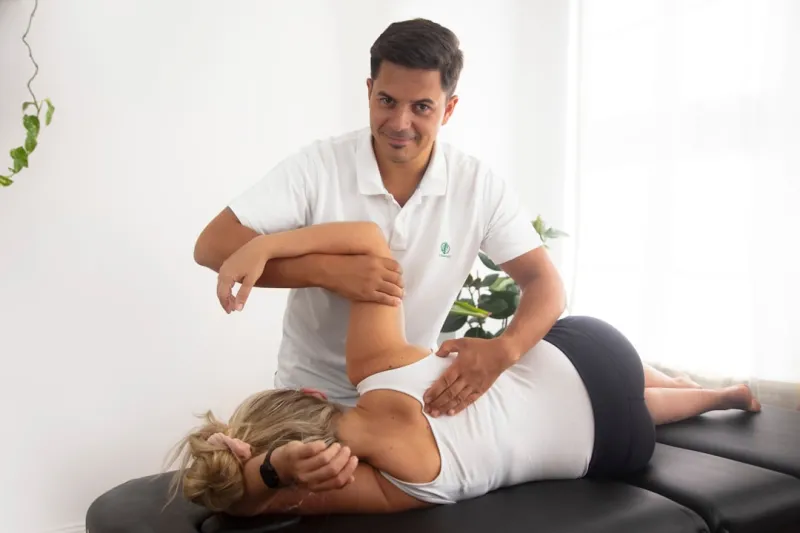
Why Holistic Physiotherapy Matters
When I first stepped into the clinic, I quickly realized that treating pain as an isolated symptom was like fixing a cracked window without addressing the storm outside, and that insight reshaped my entire practice; over the years I have watched patients who once felt trapped by chronic ache blossom into confident movers once we addressed the whole person—not just the muscle or joint in distress. Holistic physiotherapy means weaving together posture, breath, nutrition, and mindset into a seamless tapestry of recovery, and every thread matters because the body is a communication network that rarely sends a single‑note alarm. I now begin each session with a gentle conversation, asking about sleep, stress, and daily habits, because understanding the context of pain unlocks pathways that isolated stretches alone could never reach.
One of my most memorable cases involved a marathon‑training client whose knee pain persisted despite endless strengthening drills, and when we explored her fueling schedule, sleep patterns, and even her relationship with the mirror, a pattern emerged that linked over‑training, low iron, and self‑critical thoughts to the inflammation she experienced; by adjusting her diet, incorporating mindfulness breathing, and tweaking her training volume, her knee healed faster than any isolated protocol could promise. This story reinforced my belief that the body responds to the whole lifestyle, and it also taught me to listen deeply—sometimes the answer lies not in the joint but in the narrative the patient lives.
Tools of the Trade
Modern physiotherapy offers a dazzling array of gadgets, from motion‑capture cameras to wearable EMG sensors, yet I always pair technology with my hands‑on expertise, because a machine can tell you how far a joint moves, but only a skilled therapist can feel the subtle quality of tissue tension and guide a patient toward graceful movement; the synergy of data and touch creates a feedback loop that accelerates healing and empowers the client. In my clinic we use a blended approach: a quick gait analysis on a tablet informs the manual adjustments I make, and then we reinforce those adjustments with home exercises that incorporate mindful breathing and functional tasks, ensuring the nervous system rewires itself in a way that feels natural and sustainable.
Education is another cornerstone of my practice, and I often find that patients who understand the why behind each movement are far more likely to stick with their programs; I invite them to explore related resources such as the next wave of physiotherapy, where they can see how a holistic mindset is reshaping recovery across the industry. By demystifying the science and connecting it to everyday life—like explaining how proper diaphragmatic breathing can lower blood pressure—I help them become active partners in their health journey, not passive recipients of treatment.
Looking Ahead: A Holistic Future
As the field evolves, I see a growing emphasis on interdisciplinary collaboration, where physiotherapists, nutritionists, mental‑health professionals, and even financial counselors work side by side to remove barriers to wellness; navigating insurance can be a daunting maze, but resources like Navigating Health Insurance Through a Holistic Lens empower patients to claim the support they deserve without feeling overwhelmed. This integrated model not only reduces the risk of re‑injury but also addresses the socioeconomic factors that often dictate health outcomes, ensuring that recovery is equitable and comprehensive.
Looking forward, I am particularly excited about the role of lifestyle medicine in physiotherapy, especially how simple, evidence‑based habits can amplify the effects of manual work; for instance, adopting a balanced blood pressure regimen—as outlined in Balancing Blood Pressure: A Holistic Blueprint—can improve circulation, reduce edema, and enhance tissue healing, creating a virtuous cycle of recovery. When patients pair these systemic changes with targeted movement therapy, they experience a depth of vitality that transcends the clinic walls, turning rehabilitation into a lifelong celebration of health.
In the end, my mission remains clear: to guide each individual toward a state where their body, mind, and environment are in harmonious dialogue, allowing them to move beyond pain and into a space of empowered, joyful activity. If you’re ready to explore a physiotherapy experience that honors the whole you, I invite you to reach out, share your story, and embark on a journey where every step forward is backed by science, compassion, and a holistic vision of health.

Related Posts
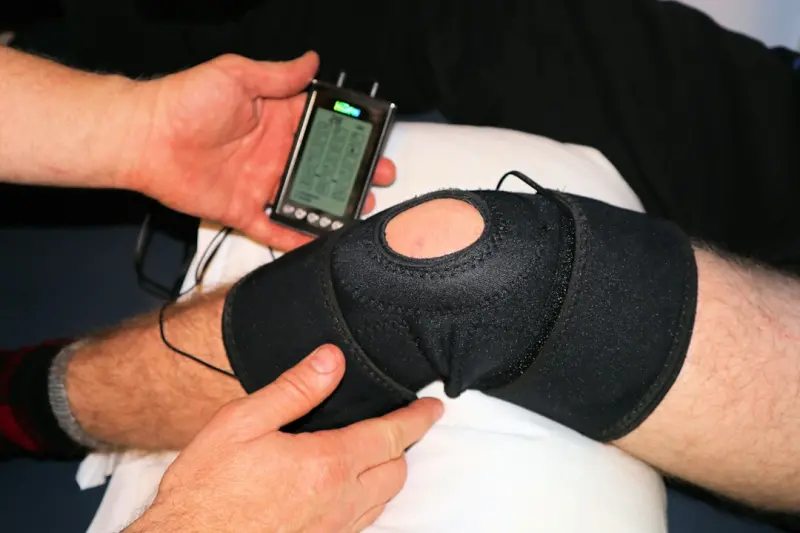
Wearable Tech Meets Physiotherapy: Crafting Data‑Driven Rehab Plans
Explore the rise of wearable technology in physiotherapy, from real‑time movement tracking to AIâ€... Read More

When Rehab Meets Gaming: Virtual Reality’s Transformative Role in Physiotherapy
Virtual reality is turning traditional physiotherapy on its head by providing immersive, data‑rich... Read More

Micro‑Interventions: A Physiotherapy Playbook for Remote Workers
Learn how brief, evidence‑based micro‑interventions can combat digital fatigue, improve posture,... Read More
Top Posts

Your Gut as the Compass: Steering Autoimmune Health with Microbial Insight
Jessica Hall shares a personal roadmap for using gut health to manage autoimmune disease, offering actionable tips, tracking methods, and lifestyle tweaks to cr...Read More
Microbial Reset: A Science‑Backed Path to Whole‑Body Detox
A fresh take on detox focuses on resetting the gut and skin microbiome through diverse foods, targeted fermentation, and mindful environmental hygiene, offering...Read More

The Hidden Power of Food Timing: Mastering Blood Sugar for Remote Teams
Discover why when you eat matters more than what you eat, with practical timing strategies, tech tips, and team rituals to keep blood sugar steady and performan...Read More
Recharging Empathy: Turning Compassion Fatigue into Sustainable Strength
Learn how to identify early signs of compassion fatigue and use micro‑replenishment, strategic boundaries, purpose alignment, neuro‑fitness, and gut‑brain...Read More
0 Comments
Post Comment
You will need to Login or Register to comment on this post!