
Why Early Sensory Foundations Matter
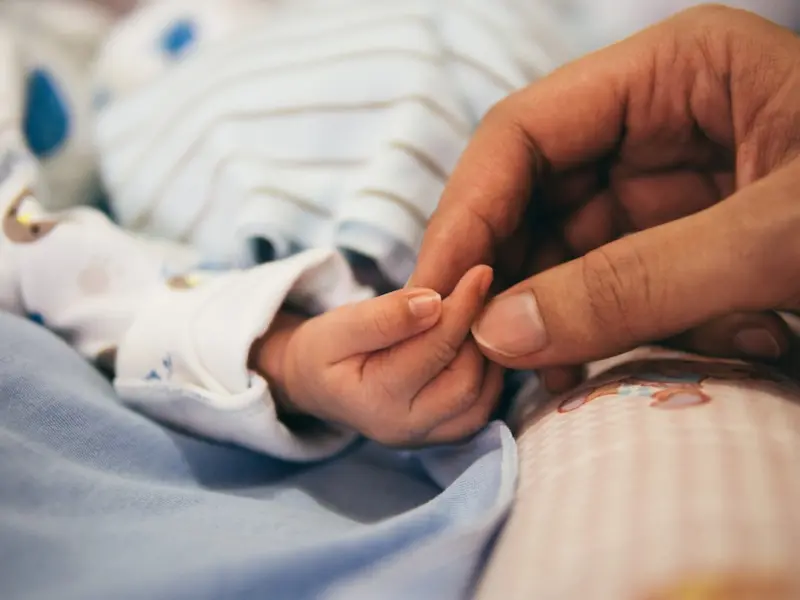
When I first cradled my newborn, I realized that every tiny gasp, flutter of an eyelid, or gentle grasp was a data point in a larger story about how the brain is wiring itself for the world ahead, and I began to view each moment as a chance to lay down resilient neural pathways that will serve the child for a lifetime. Research now shows that rich, varied sensory input during the first six months can accelerate synaptic pruning, enhance myelination, and even influence emotional regulation, meaning that the simple act of talking, humming, or offering a textured blanket is far more powerful than any high‑tech gadget on the market. That insight has reshaped my daily routine, prompting me to design micro‑moments of deliberate, low‑stress exposure that honor the infant’s natural rhythms while gently expanding their perceptual horizons.
Skin‑to‑Skin: The First Immunity Booster
One of the most profound discoveries on my parenting journey has been the immune‑boosting miracle of skin‑to‑skin contact, a practice that not only stabilizes a newborn’s temperature but also transfers beneficial microbes from the caregiver’s microbiome, seeding the infant’s own protective flora before the gut even begins to digest solid foods. When I hold my baby against my chest after a feeding, I watch the color of their cheeks improve, their heart rate settle, and their crying diminish, all signs that the body is receiving a dose of cortisol‑modulating hormones that calm inflammation and prime the newborn’s innate defenses. This simple, low‑tech habit is supported by dozens of pediatric studies, and I now treat it as a non‑negotiable ritual, especially during the first two weeks when the newborn’s immune system is still learning to recognize friend from foe.
The Gentle Art of Infant Massage
Beyond the obvious soothing effect, infant massage serves as a conduit for vagal stimulation, which in turn can lower heart rate, improve digestive flow, and enhance the release of oxytocin—a hormone that builds trust and emotional security between parent and child. I learned this technique from a neonatal therapist who emphasized slow, rhythmic strokes on the limbs, back, and abdomen, each lasting about ten seconds, and I have since incorporated it into our bedtime routine, noticing a marked reduction in colic episodes and a smoother transition to sleep. When paired with soft, age‑appropriate music, the tactile experience becomes a multisensory orchestra that reinforces neural integration, and the consistency of this practice has turned what once felt like a frantic scramble for calm into a predictable, nurturing anchor for my infant’s day.
Microbial Adventures: Safe Outdoor Exploration
For many new parents, the idea of exposing a baby to the outdoors before vaccinations are complete feels risky, yet controlled exposure to diverse environmental microbes can train the immune system to tolerate harmless organisms, reducing the likelihood of allergies and eczema later in life. I started with short, stroller‑bound walks in my backyard, allowing the infant to feel grass on their soles and hear the rustle of leaves, and I quickly progressed to supervised floor time on clean, natural surfaces like sand and smooth stones, always keeping an eye on hygiene but never fearing the unknown. These micro‑adventures have not only bolstered my child’s respiratory health but also sparked curiosity, as the bright colors of flowers and the gentle sway of trees become early lessons in visual tracking and proprioception, laying the groundwork for future motor development.
Feeding Rhythm and Micro‑Habits
While breastfeeding remains the gold standard for nutrition, the cadence of feedings and the subtle cues parents respond to can become micro‑habits that shape metabolic health far beyond the infant stage; for example, recognizing a baby’s early hunger signs and offering the breast before they become frantic can prevent over‑feeding and support a balanced insulin response. I integrated a simple log—just a notebook by the bedside—to note the time, duration, and infant’s demeanor during each session, a habit inspired by Micro‑Habits to Master Blood Sugar that has helped me stay attuned to patterns without becoming obsessive. This intentional approach has translated into steadier weight gain curves, fewer night wakings, and a calmer overall temperament, reinforcing the idea that small, consistent actions can have outsized effects on long‑term health.
Creating a Calming Sleep Environment
Sleep is the invisible scaffold of infant development, and the environment in which a baby drifts off can either reinforce stress pathways or promote restorative rest; I discovered that a dimly lit room, a white‑noise machine set to a low hum, and a consistent pre‑sleep routine of gentle rocking and a soft lullaby dramatically shortened sleep onset latency for my child. When I compared nights with a structured wind‑down to those where we left the lights on or responded to every stir with immediate feeding, the difference was stark: the former produced longer stretches of deep sleep, while the latter fragmented rest and increased irritability. By treating bedtime as a predictable ritual rather than a reactionary event, we have cultivated a sense of security that allows the infant’s brain to consolidate memories and process emotional experiences effectively.
Bonding Through Responsive Communication
Even before a baby can articulate words, they are constantly broadcasting their needs through facial expressions, coos, and body language, and the speed and tone of a parent’s response can shape the child’s attachment style and stress resilience; I made it a point to mirror my infant’s sounds, label emotions, and maintain eye contact, turning each interaction into a mini‑conversation that validates their inner world. Studies show that responsive caregiving activates the prefrontal cortex, fostering executive function development and reducing cortisol spikes during challenging moments later in life. By treating every babble as a dialogue, I have observed a progressive increase in my baby’s willingness to explore independently, knowing that a secure base is always within reach.
Integrating Micro‑Rituals for Expecting Parents
Preparation for the arrival of a newborn isn’t limited to the hospital bag; it also encompasses the mental and physical habits that parents cultivate during pregnancy, which can set the tone for post‑natal care; I leaned heavily on the principles outlined in Micro‑Rituals for Expecting Mothers, adopting gentle breathing exercises, short daily walks, and mindfulness pauses that kept my stress hormones in check and enhanced my ability to stay present during the first chaotic weeks. These pre‑birth micro‑rituals acted as a buffer, allowing me to respond to my infant’s cues with clarity rather than exhaustion, and they continue to inform our nightly routines, from diaper changes to soothing cuddles. The continuity of these small, intentional practices underscores how the groundwork laid before birth can ripple into healthier, more attuned parenting behaviors afterward.
Monitoring Milestones Without Pressure
In a culture obsessed with checklists, I’ve learned to celebrate progress on my own terms, focusing on the quality of each developmental milestone rather than the speed at which it arrives; whether it’s the first time my baby rolls over, reaches for a toy, or babbles a new consonant, I take a moment to pause, document the achievement, and then return to the present interaction without imposing external expectations. By keeping a simple journal of these moments, I avoid the trap of comparison and instead nurture a growth mindset that encourages curiosity and perseverance, traits that will serve the child well beyond infancy. This approach also reduces parental anxiety, fostering a more relaxed atmosphere that the infant can sense and mirror, creating a virtuous cycle of confidence and exploration.
Conclusion: The Power of Intentional Presence
At the end of the day, the most effective strategies for infant health are not high‑tech gadgets or rigid schedules, but the intentional presence of a caregiver who listens, responds, and creates a nurturing ecosystem of touch, sound, and safe exploration; my journey has taught me that when we embed love into everyday actions—be it a skin‑to‑skin cuddle, a rhythmic massage, or a mindful feeding log—we are building a foundation of physiological and emotional resilience that will echo throughout the child’s life. I invite fellow parents to experiment with these micro‑habits, adapt them to their unique family rhythms, and watch as the smallest gestures blossom into lasting health benefits for both baby and caregiver.

Tom Ferguson is a Canadian freelance writer with a passion for storytelling, current events, and thoughtful commentary. Drawing on years of writing experience, he shares engaging insights on a wide range of topics, bringing a uniquely Canadian perspective to his work.
Related Posts
Skin‑to‑Skin Magic: Why Touch Is the First Medicine for Your Newborn
Skin‑to‑skin contact is more than a tender moment; it triggers hormonal, immune, and neural path... Read More
Gentle Tummy Time: A Simple Secret to Better Baby Digestion
Learn why a few minutes of tummy time each day can ease digestion, calm colic, and support your baby... Read More

Quiet Corners: Crafting Everyday Calm for Newborns
Learn how to create a sensory-friendly space, use rhythmic cues, and incorporate gentle breathing to... Read More
Top Posts

When Nightmares Teach Us to Lead: Harnessing Sleep Terrors for Emotional Mastery
Nightmares are more than unsettling dreams; they’re a subconscious audit of stress, trauma, and creative blockage. Learn a three‑phase framework to decode t...Read More

Exploring How Travel and Changing Environments Can Calm Autoimmune Flare‑Ups
Travel isn’t just an escape; it can be a strategic tool for calming autoimmune inflammation. Learn how climates, cuisine, and community reshape your body’s ...Read More

When Algorithms Meet Oncology: How AI is Changing the Cancer Journey
Artificial intelligence is moving from the lab to the bedside, offering transparent diagnostics, personalized treatment recommendations, financial forecasting, ...Read More

Everyday Data Redefining Cancer Care
A deep dive into how everyday data—from wearables to patient‑reported outcomes—empowers patients, clinicians, researchers, and insurers to create a more p...Read More
0 Comments
Post Comment
You will need to Login or Register to comment on this post!