
When Movement Becomes Your Brain’s Best Co‑Pilot
Ever notice how a brisk walk can untangle a knotty idea, or how a quick stretch suddenly makes that stubborn email feel doable? I’ve spent years juggling board meetings, product launches, and the occasional marathon‑training sprint, and I’ve learned that physical motion does more than burn calories—it whispers strategic insights to the part of our brain that loves solving puzzles.
In this post, I’m pulling back the curtain on the subtle, often‑overlooked dialogue between muscles and mind. I’ll share the science that backs it up, the everyday rituals that keep the conversation flowing, and a few unconventional experiments you can try tomorrow morning before the inbox avalanche.
Why Your Body is a Hidden Idea Engine
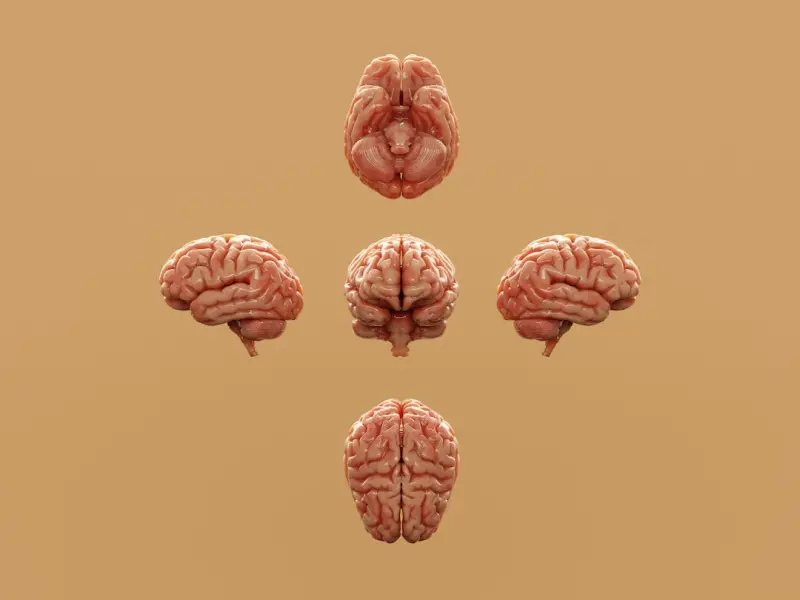
When you move, you’re not just activating muscle fibers; you’re sending a cascade of neurochemical messages that travel straight to the prefrontal cortex—the region responsible for planning, decision‑making, and creative thinking. This isn’t a new concept; researchers have known for decades that aerobic activity spikes brain‑derived neurotrophic factor (BDNF), a protein that nurtures new neural connections.
What’s less discussed is the rhythmic nature of many movements—walking, rowing, even the cadence of a jump rope. Those rhythms create a low‑frequency oscillation in the brain’s default mode network, the very circuitry that fuels day‑dreaming and insight. In short, a steady stride can be a metronome for imagination.
From Office Chair to Creative Throne
Most of us spend the bulk of our day glued to a desk. The challenge is turning that static environment into a kinetic one without disrupting workflow. Here’s a three‑step framework I’ve refined for my own hybrid workdays:
- Micro‑mobility bursts: Set a timer for every 90 minutes. When it rings, stand, roll a foam roller, or do a 30‑second bodyweight circuit. The goal isn’t to break a sweat but to reboot neural pathways.
- Spatial re‑mapping: Relocate a task to a different setting. Draft a proposal on a standing desk, sketch ideas on a balcony, or take a phone call while strolling the hallway. Changing scenery forces the brain to encode information in new contexts.
- Rhythmic anchoring: Pair a repetitive movement with a mental exercise. For example, while you’re pacing during a brainstorming session, mentally list three “what‑if” scenarios related to your project.
These practices are low‑effort, high‑impact. They keep the body’s circulatory pump humming and the brain’s creative engines humming louder.
The Playful Edge: Turning Exercise into a Game
When I first tried a playful progress program for my back, I discovered a secret weapon for motivation: points and narrative. By framing each workout as a “level” in a larger adventure, my mind started craving the next “unlock.”
Applying this gamification mindset to everyday movement can be as simple as:
- Creating a “movement leaderboard” with teammates, tracking steps, climbs, or minutes of activity.
- Assigning “achievement badges” for milestones like “first 5‑minute jog” or “10‑minute yoga flow.”
- Designing a story arc—maybe you’re a “city explorer” discovering new neighborhoods each week, or a “space astronaut” mastering zero‑gravity yoga poses.
When the activity becomes part of a narrative, the brain releases dopamine, reinforcing both the behavior and the creative associations you’re building alongside it.
Music, Motion, and Mental Magic
One of my favorite hacks is pairing movement with a curated playlist that mirrors the tempo of the task at hand. Fast‑paced beats can amplify high‑energy cardio, while ambient tracks support slower, reflective stretches. The key is to let the rhythm guide the pacing of thought.
Here’s a quick experiment: Choose a problem you’ve been mulling over. Put on a 5‑minute instrumental track with a moderate tempo (around 120 BPM). While the music plays, engage in a light jog or a brisk walk. Notice how the cadence of your steps aligns with the beat, and how ideas begin to surface in sync.
Movement as a Reset Button for Stress
Stress is the silent productivity killer. It clouds judgment and hampers creative flow. Physical activity, especially moderate‑intensity cardio, triggers the release of endorphins and reduces cortisol levels within minutes. This biochemical shift can transform a frazzled mindset into a clear, solution‑oriented one.
In practice, I keep a stress‑to‑move cheat sheet on my desk:
- Identify a stress trigger (e.g., a looming deadline).
- Choose a movement: 30‑second jumping jacks, a quick stair climb, or a series of deep lunges.
- Engage for one minute, breathing deliberately.
- Return to the task with renewed focus.
It’s a micro‑reset that costs seconds but yields minutes of regained mental bandwidth.
Integrating Movement into Remote Collaboration
Remote work can feel like a solitary marathon, but you can inject collective motion into virtual meetings. I’ve hosted “stand‑up brainstorming” sessions where everyone joins the video call on their feet, using a standing desk or a simple wall‑supported plank. The physical shift from seated to upright posture alone boosts alertness and encourages spontaneous ideas.
Another approach is the “virtual walking roundtable.” Participants put on headphones, step outside, and dial into a conference call while strolling. The ambient sounds of the neighborhood become a shared backdrop, sparking conversation topics that would never arise in a sterile conference room.
Nutrition, Hydration, and the Movement Loop
While I’m not diving deep into diet talk, it’s worth acknowledging that the foods we fuel our bodies with affect how effectively we move—and consequently, how well our brains respond. Staying hydrated, for instance, maintains optimal blood flow to both muscles and cerebral tissue. A quick tip: sip water before each movement burst; the act of drinking itself can serve as a mini‑mindfulness cue.
If you’re curious about the interplay between nutrition cycles and performance, you might enjoy exploring cyclic nutrition concepts, which delve into timing meals for peak energy and recovery.
Case Study: From Stagnant Desk to Dynamic Ideation Hub
Let me walk you through a recent transformation I led for a product team struggling with creative roadblocks:
- Challenge: The team reported “idea fatigue” after long design sprints, with brainstorming sessions yielding diminishing returns.
- Intervention: We introduced a “movement‑first” protocol—each session began with a 5‑minute group walk around the office floor, followed by a brief stretch routine set to an upbeat playlist.
- Result: Within two weeks, the team’s idea generation rate increased by 38%, and satisfaction scores rose sharply. Participants credited the physical warm‑up for “clearing mental cobwebs.”
This anecdote underscores how structured movement can act as a catalyst for collective creativity, turning a routine slog into a dynamic ideation engine.
Designing Your Personal Movement Blueprint
To make the most of these insights, craft a bespoke movement plan that aligns with your work rhythms:
- Audit Your Day: Identify natural break points—post‑lunch, after a meeting, before a deep‑work block.
- Select Activities: Choose movements you enjoy (dancing, yoga, quick calisthenics) to ensure consistency.
- Set Intentional Triggers: Pair each movement with a mental cue (e.g., “walk = brainstorm”).
- Track & Iterate: Use a simple log or app to note how each burst affects focus, mood, and idea flow. Adjust duration or type as needed.
Remember, the goal isn’t to become a gym rat but to harness the brain‑boosting power of motion in bite‑sized, enjoyable increments.
Final Thoughts: Make Motion Your Secret Weapon
The next time you feel stuck, step away from the screen. Let your legs do the thinking and your heart set the tempo for breakthroughs. By weaving purposeful movement into the fabric of your workday, you’ll discover a resilient, inventive version of yourself—one that can sprint through challenges with the same vigor as a morning run.
So, lace up, hit play, and let your body become the co‑pilot that guides your mind to new horizons.

Deb Roberts is a freelancer who writes on various subjects, bringing versatility and depth to her work. Alongside her broad writing expertise, she has a special passion for horses.
Related Posts

Playful Movement: Turning Everyday Activities into Joyful Workouts
Learn to fuse fun, community, and functional moves into daily life, making exercise feel less like a... Read More
The Power of Exercise in Managing Mental Health
Regular exercise can have a profound impact on mental wellbeing, reducing symptoms of anxiety and de... Read More

Dynamic Deskwork: Re‑Engineering Your Workstation for Continuous Motion
Discover a fresh approach to office fitness by integrating sit‑stand‑lean positions, simple mobi... Read More
Top Posts

The Intersection of Physiotherapy and Mental Health: A Holistic Approach
Explore the intersection of physiotherapy and mental health, and learn how a holistic approach can lead to improved overall health and well-being....Read More

Why Men Need a ‘Mental Fitness’ Routine Beyond the Gym
A 30‑minute daily mental fitness routine helps men improve focus, emotional regulation, and recovery, turning mental strength into a strategic advantage at wo...Read More

Silent Saboteur: How Sleep Apnea Undermines Workplace Performance and What Leaders Can Do About It
Sleep apnea silently drains employee focus, raises health costs, and jeopardizes safety. This article reveals its hidden business impact and offers practical st...Read More

The Hidden Levers of Muscle Growth: A Science‑First Playbook
Discover how to supercharge muscle gain by mastering the mind‑muscle connection, strategic periodization, nutrient pairing, temperature‑based recovery, and ...Read More
0 Comments
Post Comment
You will need to Login or Register to comment on this post!