

Why When You Eat Matters More Than What You Eat: A Fresh Look at Blood Sugar Management
When I first stepped into the world of health‑tech consulting, I was convinced that the battle against unstable blood sugar was all about the what on my plate. Carbs, proteins, fibers—count them, log them, tweak them. What I discovered, however, was a subtler, more powerful lever: when you eat.
In the fast‑paced environment of remote work, global teams, and always‑on meetings, the timing of meals can feel like another variable to control. Yet, if you master it, you can experience steadier energy, sharper focus, and a calmer mind without overhauling your favorite recipes.
The Science Behind Food Timing
Our bodies run on a 24‑hour circadian clock that regulates hormone release, metabolism, and even the way our gut microbes behave. Insulin, the hormone that shuttles glucose from the bloodstream into cells, follows a daily rhythm—peaking in the early daylight hours and dipping as night falls.
When we eat at odds with this rhythm—say, a heavy carbohydrate dinner at 10 p.m.—the body’s insulin response is blunted. The result? Higher post‑meal glucose spikes, lingering fatigue, and, over time, increased risk of insulin resistance.
Conversely, aligning meals with the body’s natural insulin peak can smooth those spikes. It’s not a brand‑new diet; it’s a strategic re‑timing of the meals you already love.
Four Practical Timing Strategies for the Modern Professional
- The “Morning Power‑Fuel” Window (7 am – 10 am): This is when insulin sensitivity is highest. A balanced breakfast with protein, healthy fats, and complex carbs (think Greek yogurt, berries, and a sprinkle of nuts) provides a steady glucose release that fuels the brain for the first critical work hours.
- The “Midday Stabilizer” (12 pm – 2 pm): A light, fiber‑rich lunch prevents the dreaded post‑lunch slump. Pairing greens with a modest portion of whole grains and lean protein keeps glucose levels stable without the heavy “food coma.”
- The “Afternoon Buffer” (3 pm – 5 pm): If you feel a dip in focus, reach for a small snack that includes a low‑glycemic fruit and a handful of almonds. This modest carb‑protein combo nudges glucose back up without triggering a spike.
- The “Evening Wind‑Down” (6 pm – 8 pm): Aim for a dinner that leans more on proteins and non‑starchy vegetables, saving most carbs for earlier in the day. A grilled salmon fillet with roasted Brussels sprouts, for instance, supports muscle recovery while keeping glucose steady before bedtime.
These windows aren’t rigid rules but flexible guides. The goal is to respect the body’s natural insulin cadence while still fitting within your personal and professional schedule.
Remote Teams Can Use Food Timing as a Cohesion Tool
Imagine a global team spread across time zones. Instead of battling disparate energy peaks, you can synchronize “focus blocks” around shared meal timing. A brief 15‑minute “virtual coffee break” at 10 am UTC, where everyone enjoys a light snack, can align insulin peaks and create a collective boost in alertness.
Beyond productivity, this ritual builds camaraderie. Sharing a snack, even virtually, humanizes the screen and reinforces a culture that values health as much as deadlines.
Tech‑Enabled Timing: Wearables and Glucose Monitors
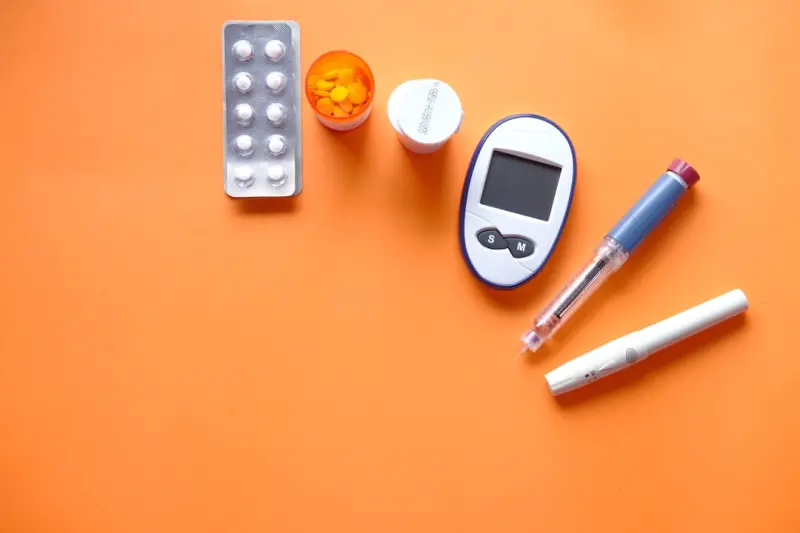
Wearable tech has democratized real‑time glucose insights. Devices that track interstitial glucose give you immediate feedback on how specific timing choices affect your numbers. When you notice a surge after a late‑night snack, the data makes it clear: adjust the timing, not necessarily the content.
Couple the data with simple alerts—like a gentle vibration reminding you to eat before a low‑glucose dip— and you create a feedback loop that trains your body to anticipate and respond efficiently.
Mindful Eating: The Missing Piece
Timing isn’t just about the clock; it’s also about the mindset. Eating while scrolling through emails or during a video call can blunt the brain’s satiety signals, leading to overeating and erratic glucose spikes.
Take 5 minutes to step away from the screen, breathe, and truly taste each bite. This practice, often called “mindful eating,” slows digestion, reduces the glycemic impact, and improves your overall relationship with food.
Case Study: From “Snack‑All‑Day” to Structured Energy
I worked with a mid‑size SaaS firm whose developers reported frequent “energy crashes” mid‑afternoon. Their typical pattern was: a sugary coffee in the morning, a heavy lunch, and a candy bar at 4 pm.
After introducing the timing framework, we asked them to:
- Shift the coffee to a protein‑rich breakfast.
- Replace the heavy lunch with a lean protein‑vegetable plate.
- Swap the candy bar for a small apple with peanut butter at the “Afternoon Buffer.”
Within two weeks, average self‑reported focus scores rose by 18%, and a voluntary post‑work glucose check showed a 12% reduction in post‑lunch spikes. The team also reported feeling more cohesive during the new “virtual snack break” sessions.
Integrating Timing with Existing Blood Sugar Strategies
If you’re already familiar with concepts from the quiet levers of blood sugar—such as hydration, stress management, and micro‑nutrient balance—timing acts as the final puzzle piece. When these levers are all aligned, the result is a resilient glucose system that supports both mental clarity and long‑term metabolic health.
For those focused on high‑stakes creative work, the principles echo those in engineering blood sugar for high‑stakes creativity. The difference is that, instead of tweaking macronutrient ratios alone, you add a temporal dimension—making each meal a strategic “fuel injection” that aligns with your cognitive demands.
Practical Tips to Get Started Today
- Map Your Day: Write down work blocks, meetings, and breaks. Identify natural high‑focus windows and align them with the “Morning Power‑Fuel” and “Midday Stabilizer.”
- Set Gentle Reminders: Use phone alarms or calendar notifications to prompt snack breaks and dinner cut‑off times.
- Test and Tweak: If you have a glucose monitor, log readings before and after meals to see how timing changes affect spikes.
- Share the Plan: Encourage teammates to adopt a shared timing ritual; it boosts accountability and team morale.
- Stay Flexible: Travel, client calls, or late‑night brainstorming sessions happen. When you must deviate, prioritize low‑glycemic options and aim to return to the schedule as soon as possible.
Looking Ahead: The Future of Time‑Based Nutrition
Researchers are now exploring “chrono‑nutrition”—the study of how meal timing interacts with genetics, gut microbiota, and even medication efficacy. Early findings suggest that personalized timing protocols could one day be as common as personalized diet plans.
For now, the simple act of aligning meals with your body’s natural rhythm offers a low‑cost, high‑impact tool. It’s a strategy you can implement without drastic diet overhauls, expensive supplements, or complex meal‑prep routines.
Closing Thoughts
Managing blood sugar isn’t a one‑size‑fits‑all diet; it’s a dynamic conversation between your plate, your clock, and your brain. By honoring the timing of meals, you give your body the best chance to process glucose efficiently, keep energy steady, and stay mentally sharp throughout the day.
Try it for a week. Notice the subtle shifts in focus, mood, and even how you feel at the end of a long workday. You might be surprised to discover that the secret to stable blood sugar has been ticking away on your wrist all along.

Related Posts

Fueling Focus: Engineering Blood Sugar for High‑Stakes Creativity
A practical guide to using protein‑fiber pairings, micro‑fuel snacks, liver support, and stressâ... Read More

Chrono‑Nutrition: Syncing Meal Times to Stabilize Blood Sugar
Discover the power of chrono‑nutrition—aligning meal timing with your circadian rhythm—to keep... Read More
Balancing Blood Sugar to Beat Decision Fatigue and Sharpen Executive Judgment
Discover a fresh approach to blood sugar management that targets decision fatigue. Learn actionable ... Read More
Top Posts

Rewiring Your Hunger: The Science of Satiety for Real‑World Weight Loss
A data‑driven guide that teaches you how to master hunger hormones, align meals with your body’s clock, and tweak your environment for lasting weight loss....Read More

Building Muscle, Building Confidence
Building muscle takes more than just lifting weights and eating protein. Learn how a holistic approach to fitness and wellness can help you achieve your goals a...Read More

Sweat, Breath & Skin: Unlock Hidden Body Detox
Explore a fresh detox approach using walking, targeted breathing, contrast showers, and dry brushing to mobilize lymph, clear skin, and enhance overall vitality...Read More

Unlocking Muscle Memory: How to Bounce Back Faster After a Training Break
Discover the science behind muscle memory and a step‑by‑step blueprint to regain strength faster after a break, using smart nutrition, mobility work, sleep,...Read More
0 Comments
Post Comment
You will need to Login or Register to comment on this post!