

Why Physiotherapy Is Experiencing a Renaissance
When I first stepped into a clinic fresh out of school, the focus was almost entirely mechanical—strengthen, stretch, and repeat. Over the years, I’ve watched the field shift from a narrow “fix‑the‑muscle” mindset to a broader, more human‑centric approach that honors the body, mind, and lifestyle of each client. Today’s patients arrive with smartphones, wearable data, and a curiosity for holistic wellness, demanding treatment plans that go beyond isolated exercises. Integrating movement therapy with nutrition, sleep, and mental health is no longer a nice‑to‑have; it’s the new standard of care. This evolution is why I’m excited to share the most compelling trends shaping physiotherapy right now, from tech‑driven assessments to community‑focused healing.
Holistic Foundations Meet Modern Practice
My own philosophy has always leaned toward the whole‑person view, and I’m thrilled to see that mindset gaining mainstream traction. Clients now expect physiotherapy to dovetail with their broader health goals—whether that means supporting a healthy aging journey or boosting cognitive resilience. For example, the principles explored in Holistic Secrets to Thriving in Your Golden Years echo in our sessions, where we blend low‑impact mobility work with lifestyle coaching that nurtures bone density, cardiovascular health, and emotional balance. By weaving in breathing techniques, mindful movement, and gentle strength training, we create a therapeutic environment that feels less like a clinical appointment and more like a personalized wellness retreat. The result? Faster recovery, deeper client engagement, and a lasting sense of empowerment that transcends the treatment room.
Wearables and Data‑Driven Rehabilitation
Imagine a world where your therapist can see real‑time gait patterns, heart‑rate variability, and muscle activation—all before you even step onto the mat. Wearable technology has turned this vision into reality, allowing us to collect objective metrics that inform precise, adaptive treatment plans. Sensors placed on the ankle or wrist feed data into cloud‑based platforms, where algorithms highlight asymmetries or fatigue trends that might otherwise go unnoticed. This data‑rich approach not only refines manual adjustments but also empowers clients to track progress outside the clinic, fostering accountability and motivation. The blend of human expertise with digital insight is redefining “assessment” from a static snapshot to an evolving story of movement health.
Personalized Movement Screens: The New Baseline
Gone are the days of one‑size‑fits‑all movement screens; today’s assessments are as individualized as a fingerprint. By combining functional movement tests with client‑specific goals—whether returning to a marathon, caring for a toddler, or managing chronic pain—we construct a baseline that guides every subsequent session. This personalized matrix enables us to prioritize interventions that address the root cause rather than merely masking symptoms. For instance, a client with shoulder impingement may benefit more from scapular stabilization drills than isolated rotator‑cuff work, especially if their daily routine involves prolonged computer use. Tailoring each exercise to the client’s unique biomechanical profile ensures that every minute in the clinic translates into meaningful, real‑world improvements.
The Mind‑Body Connection in Physical Recovery
Physical pain often has an emotional echo, and ignoring that interplay can stall progress. I’ve seen countless clients unlock breakthroughs simply by integrating mindfulness practices into their rehab routine. Techniques such as guided imagery, breath awareness, and gentle yoga not only reduce perceived pain but also enhance neuroplasticity, allowing the nervous system to “re‑learn” healthier movement patterns. This concept aligns closely with the insights shared in Nourish Your Mind: Holistic Strategies for Peak Brain Health, where cognitive resilience is linked to physical performance. By encouraging clients to tune into their internal signals—muscle tension, breathing rhythm, emotional states—we cultivate a self‑regulating system that supports faster healing and long‑term wellness.
Community‑Driven Healing: Group Classes and Peer Support
Human beings thrive on connection, and physiotherapy is no exception. Group classes, whether virtual or in‑person, create a supportive ecosystem where participants motivate each other, share tips, and celebrate milestones together. I’ve organized “Mobility Mondays” and “Posture Power Hours,” where participants rotate through stations that blend core stability, balance drills, and functional strength. The camaraderie reduces dropout rates and reinforces the habit of regular movement. Moreover, community feedback provides valuable data points that help us refine program design—what works, what feels too easy, and where adjustments are needed. This collective energy transforms solitary rehab into a shared journey toward optimal health.
Home Exercise Programs: Bridging the Clinic‑Home Gap
Even the most cutting‑edge clinic interventions lose potency if they aren’t reinforced at home. That’s why I prioritize robust home exercise programs that are both evidence‑based and accessible. Using simple props—resistance bands, a sturdy chair, a yoga mat—we craft routines that fit into a busy schedule without sacrificing therapeutic value. Digital platforms now allow us to deliver video demonstrations, real‑time feedback, and progress tracking directly to a client’s phone. A weekly check‑in via video call ensures proper form and offers an opportunity to adjust intensity based on daily life demands. By making home practice intuitive and engaging, we close the gap between clinic sessions and everyday movement, accelerating recovery and building lifelong habits.
Nutrition, Sleep, and Recovery: The Unsung Triad
Recovery isn’t solely about the muscles you move; it’s also about the fuel you provide and the rest you allow. Nutrition plays a pivotal role in tissue repair, inflammation control, and energy availability. I often collaborate with registered dietitians to design anti‑inflammatory meal plans rich in omega‑3 fatty acids, antioxidants, and lean protein—nutrients that support collagen synthesis and muscle regeneration. Equally important is sleep; quality rest facilitates growth hormone release, which is essential for tissue healing. Simple sleep hygiene strategies—cool bedroom temperatures, screen‑free wind‑down routines, consistent bedtime—can dramatically improve rehab outcomes. By addressing these three pillars—movement, nutrition, and sleep—we create a synergistic environment where the body heals faster and stronger.
Looking Ahead: AI, Predictive Rehab, and Ethical Innovation
The future of physiotherapy will be shaped by artificial intelligence that predicts injury risk and suggests preemptive interventions. Machine‑learning models trained on massive datasets can identify subtle movement deviations that precede overuse injuries, allowing therapists to intervene before pain even emerges. While the technology promises remarkable precision, it also raises ethical questions about data privacy and the human touch. My belief is that AI should augment, not replace, the therapist’s intuition and empathy. By blending algorithmic insights with the nuanced understanding that comes from years of patient interaction, we can deliver care that is both cutting‑edge and deeply personal. The horizon is bright, and the possibilities are as limitless as our collective imagination.
Take the First Step Toward Holistic Healing
If you’re curious about how a modern, holistic physiotherapy practice can transform your recovery, I invite you to reach out for a complimentary movement assessment. Together we’ll map out a personalized plan that honors your body’s unique story, leverages the latest technology, and integrates lifestyle strategies for lasting vitality. Let’s move beyond the old “quick fix” mindset and embark on a journey toward sustainable health—because every step you take today builds the foundation for a stronger, more resilient tomorrow.

Jessica Hall is a dynamic freelance writer based in the vibrant city of London, Ontario. As a dedicated single mom, she expertly juggles the demands of parenthood with her passion for storytelling, crafting compelling narratives that resonate with readers. With a background in retail, Jessica brings a unique perspective to her writing, infusing her work with insights drawn from her experiences
Related Posts
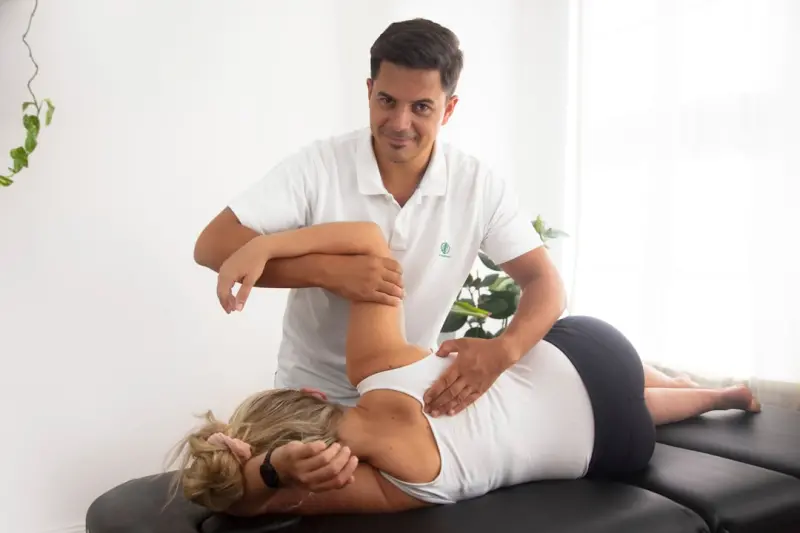
Movement in Motion: A Physiotherapy Blueprint for Hybrid Teams
A practical guide for hybrid teams to integrate micro‑movements, tele‑physio, and data‑driven ... Read More
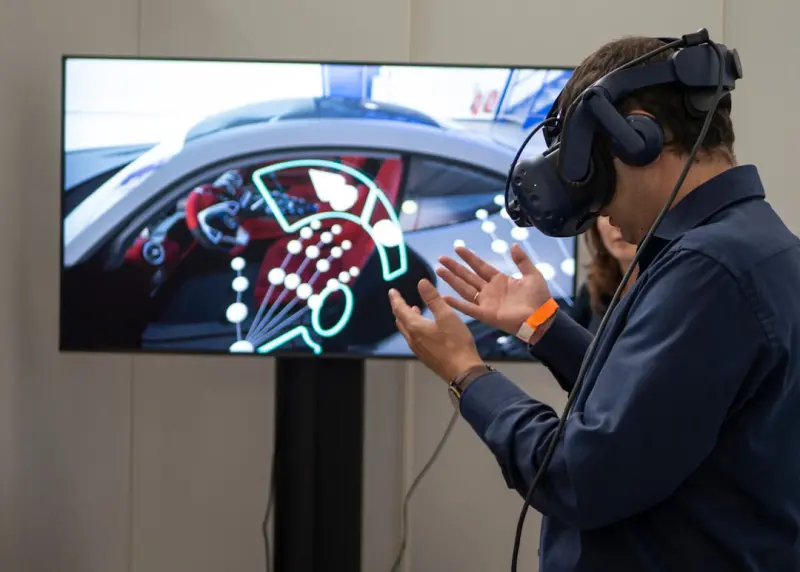
Stepping Into the Future: How Virtual Reality is Transforming Physiotherapy
Virtual reality is turning physiotherapy from routine exercises into engaging, data‑rich experienc... Read More
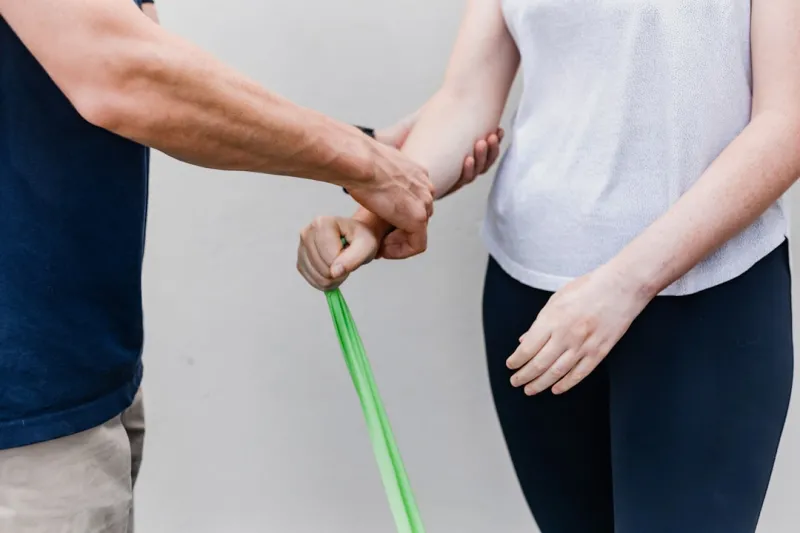
The Intersection of Physiotherapy and Mental Health: A Holistic Approach
Explore the intersection of physiotherapy and mental health, and learn how a holistic approach can l... Read More
Top Posts

Hydration Hacks and Mineral Mastery for Stable Blood Sugar
Learn the science behind hydration, electrolytes, and stress‑reduction techniques that keep blood sugar steady, plus a 7‑day reset plan to put these tips in...Read More

Understanding Insomnia: A Holistic Approach to Better Sleep
Insomnia affects millions worldwide, causing fatigue, decreased cognitive function, and increased risk of chronic disease. Learn how a holistic approach to heal...Read More

Turning Narcolepsy Into a Creative Edge: How I Rewired My Day for Success
Becky shares her personal system for managing narcolepsy, from mapping energy peaks to using micro‑naps and hypnagogic brainstorming, turning the condition in...Read More

How Real‑Time Biofeedback Turns Blood Pressure Management into a Skill
Explore a fresh approach to blood pressure control using wearable biofeedback, real‑time data loops, and micro‑interventions that turn numbers into actionab...Read More
0 Comments
Post Comment
You will need to Login or Register to comment on this post!