
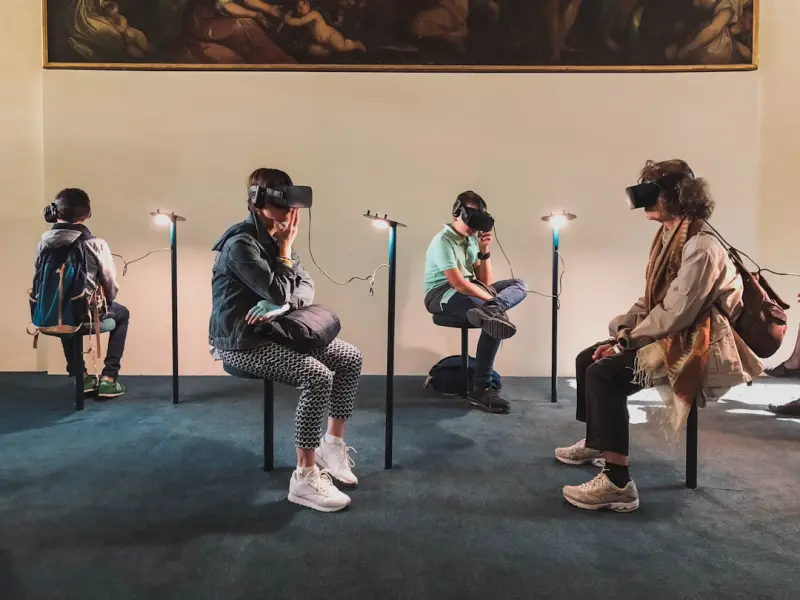
Physiotherapy has always been about movement, restoration, and the human body's innate capacity to heal. Yet, the tools we use to guide that process are evolving at a breakneck speed. In the past decade, the line between rehabilitation and immersive technology has blurred, and a new frontier is emerging: virtual reality (VR)‑enhanced physiotherapy. This isn’t just a futuristic gimmick; it’s a practical, evidence‑backed shift that is already reshaping clinics, home‑based programs, and the expectations of patients and therapists alike.
The Why: From Static Exercises to Immersive Experiences
Traditional physiotherapy often relies on repetitive, isolated movements performed in a controlled environment. While effective, this approach can feel monotonous, leading to reduced adherence and slower progress. The brain, however, craves novelty, context, and challenge. VR delivers exactly that by placing patients inside rich, interactive worlds where every step, reach, or rotation becomes part of a larger narrative.
Research shows that when patients are engaged in a compelling virtual scenario, their motor learning accelerates, pain perception drops, and motivation spikes. The technology taps into the same neural pathways activated during real‑world activities, offering a safe sandbox for experimentation and skill acquisition.
Key Benefits That Set VR Physiotherapy Apart
- Enhanced Engagement: Gamified environments turn tedious repetitions into quests, boosting compliance.
- Immediate, Objective Feedback: Sensors capture joint angles, force output, and balance metrics, delivering data that therapists can analyze in real time.
- Safe Exposure to Complex Tasks: Patients can practice high‑risk activities—like navigating stairs or crossing a busy street—without actual danger.
- Customizable Difficulty: Algorithms adjust challenges on the fly, ensuring the exercise remains within the optimal therapeutic window.
- Remote Access: With portable headsets and cloud‑based platforms, therapists can monitor progress from anywhere, expanding reach to rural or underserved populations.
How It Works: The Anatomy of a VR Session
A typical VR‑enabled physiotherapy session follows a structured flow:
- Assessment & Baseline Capture: The therapist conducts a standard evaluation, then uses motion‑tracking devices to record baseline biomechanics.
- Scenario Selection: Based on the patient’s goals—whether it’s regaining gait symmetry after a stroke or rebuilding shoulder stability after rotator cuff surgery—the therapist selects a virtual module that mirrors those functional tasks.
- Guided Immersion: The patient dons a headset and, often, lightweight controllers or haptic gloves. A brief tutorial orients them to the environment, emphasizing safety cues.
- Active Training: As the patient moves, the system provides visual, auditory, and sometimes tactile cues, reinforcing proper technique. Performance metrics appear on a heads‑up display, letting the patient self‑correct.
- Data Review & Adaptation: Post‑session, the therapist reviews quantitative data—range of motion, speed, symmetry—and tweaks the next session’s difficulty or focus areas.
The technology stack typically combines a head‑mounted display (HMD), inertial measurement units (IMUs), and sometimes pressure‑sensing floor mats. All data funnels into a secure cloud platform where clinicians can generate progress reports for patients, insurance providers, or multidisciplinary teams.
Real‑World Success Stories
Clinics that have integrated VR report measurable improvements across a variety of conditions. For instance, a pilot program focusing on post‑knee‑replacement rehab demonstrated a 30% reduction in total therapy visits while patients achieved functional milestones two weeks earlier than a matched control group. In another case, stroke survivors who practiced reaching tasks in a virtual kitchen showed greater improvements in real‑world arm use than those receiving conventional therapy alone.
These outcomes aren’t isolated. A growing body of literature, including randomized controlled trials and meta‑analyses, confirms that VR can be as effective—or more effective—than standard physiotherapy for specific populations. The related insights reveal that even subtle, targeted movements can translate into substantial functional gains when delivered in an engaging format.
Addressing Common Concerns
Despite its promise, many clinicians hesitate to adopt VR due to perceived barriers:
- Cost: While high‑end systems can be pricey, the market now offers scalable solutions ranging from $300 headsets to subscription‑based platforms, making entry more feasible for small practices.
- Learning Curve: Most modern VR suites feature intuitive interfaces. Training sessions for therapists typically last a few hours, and many vendors provide ongoing support.
- Safety & Motion Sickness: Proper calibration, gradual exposure, and selecting low‑latency hardware mitigate most adverse effects. Patients who experience discomfort can start with seated experiences before progressing to full‑body movement.
- Evidence Base: While research is still expanding, the existing data is robust enough to justify pilot implementations, especially when paired with conventional therapy.
Integrating VR into Your Practice: A Step‑by‑Step Guide
Ready to explore this frontier? Here’s a practical roadmap:
- Define Your Goals: Identify the patient populations that would benefit most—post‑operative orthopedic, neurological, sports injury, etc.
- Choose the Right Platform: Compare vendors on criteria such as content library, analytics dashboard, ease of integration, and compliance with health‑privacy regulations.
- Pilot with a Small Cohort: Start with a limited number of patients to refine protocols and gather internal outcome data.
- Train Your Team: Allocate time for therapists to become comfortable with hardware, software, and troubleshooting.
- Collect and Analyze Data: Use built‑in analytics to track progress, adjust difficulty, and demonstrate value to stakeholders.
- Scale and Iterate: As confidence grows, expand the program, incorporate new modules, and explore remote monitoring possibilities.
Remember, technology is a tool—not a replacement for the therapeutic relationship. The most successful programs blend VR’s immersive power with the clinician’s expertise, empathy, and personalized guidance.
Future Trends: What’s Next for VR in Physiotherapy?
We’re only scratching the surface of what’s possible. Upcoming innovations include:
- Artificial Intelligence‑Driven Adaptation: AI algorithms will predict optimal progression pathways, customizing each session in real time based on biometric feedback.
- Mixed Reality (MR) Integration: Combining virtual overlays with the physical environment will allow patients to practice real‑world tasks while still receiving digital guidance.
- Biofeedback Fusion: Integrating EMG, heart‑rate variability, and even brain‑wave monitoring will deepen the understanding of patient effort and stress levels.
- Community‑Based VR Rehab: Virtual group classes could foster social support, mirroring the benefits of in‑person group therapy while maintaining individualized focus.
These trends align with the broader shift toward holistic, data‑driven health strategies, where technology amplifies rather than replaces human insight.
Conclusion: Embrace the Evolution, Not the Replacement
Virtual reality is not a silver bullet, but it is a powerful adjunct that can revitalize physiotherapy practice. By delivering immersive, data‑rich experiences, VR addresses the perennial challenges of engagement, feedback, and accessibility. For clinicians willing to experiment, the payoff is a more motivated patient cohort, richer outcome data, and a differentiated service offering that stands out in a crowded healthcare market.
As we continue to explore the intersection of movement science and digital immersion, the ultimate goal remains unchanged: empowering individuals to regain function, confidence, and quality of life. The tools may evolve, but the mission endures.

Related Posts
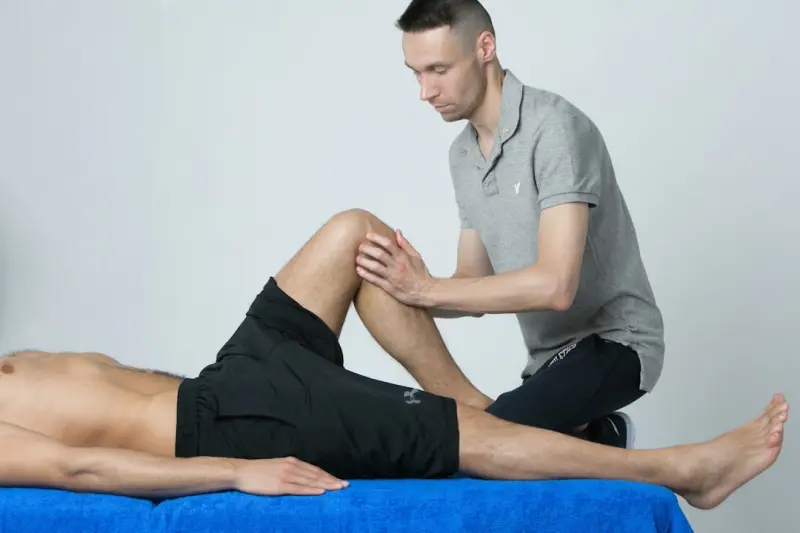
Reimagining Recovery: How Your Home Can Become a Physiotherapy Ally
Learn how to transform your living space into a therapeutic ally with movement-friendly design, wear... Read More

Why Community Rhythm Beats Solo Sessions in Physiotherapy
Explore the transformative power of community physiotherapy, where shared movement, peer support, an... Read More

Physiotherapy for the Digital Nomad: Keeping Mobility on the Move
Discover a mobile‑first physiotherapy toolkit and daily routines that help digital nomads prevent ... Read More
Top Posts

Spice Up Your Blood Sugar: Everyday Flavors for Stable Glucose
Learn how I transformed my pantry into a blood‑sugar ally, using everyday spices and simple lifestyle tweaks to achieve smoother glucose curves and lasting en...Read More

Living with Autoimmune Disease: My Holistic Roadmap to Resilience
A heartfelt guide sharing how mindful nutrition, gentle movement, restorative sleep, and supportive community can transform life with autoimmune disease....Read More
Rewiring Evening Cues: A Personal Blueprint to Calm Insomnia
A fresh, hands‑on guide shows how adjusting light, temperature, scent, sound, and nightly storytelling can transform restless nights into restorative sleep....Read More
Culinary Synergy: Unlocking the Hidden Power of Food Pairing
Explore the science of food pairing, from matching fats with vitamins to pairing iron with vitamin C, and learn practical meal templates that turn everyday di...Read More
0 Comments
Post Comment
You will need to Login or Register to comment on this post!