

Why I Chose a Holistic Path for Blood Pressure
When I first noticed my blood pressure creeping upward during routine check‑ups, I felt a blend of frustration and curiosity that pushed me to dig deeper than the typical prescription pad. Instead of reaching for another pill, I asked myself what daily habits were silently influencing my numbers—sleep patterns, stress triggers, the quality of the food on my plate, and even the way I moved my body throughout the day. This introspection sparked a shift toward a holistic mindset, where every choice becomes an intentional piece of a larger health puzzle, and that mindset has guided my journey ever since, helping me keep my systolic and diastolic readings within a safe range while feeling more energized and alive.
Seeing the Whole Person, Not Just the Numbers
Traditional medicine often isolates blood pressure as a single data point, but my experience taught me that the body communicates through a network of signals that deserve equal attention. By viewing health through a lens that includes emotional well‑being, physical activity, and nutrition, I discovered that subtle adjustments in one area could ripple positively across the entire system. For example, adopting practices that support senior health and vitality not only benefits older adults but also reinforces the cardiovascular resilience of anyone willing to listen to their body’s cues. This comprehensive approach reminds us that the goal isn’t merely to lower a reading, but to nurture a balanced life where the heart beats in harmony with mind and spirit.
The Power of Mindful Nutrition
One of the most transformative habits I embraced was mindful eating, which goes beyond counting calories to honoring the quality, timing, and emotional context of each meal. I started by filling half my plate with colorful, fiber‑rich vegetables, adding lean proteins, and choosing whole grains that release glucose slowly, thereby avoiding the spikes that can jolt blood pressure. I also paid close attention to how my meals made me feel—stressful or satisfied—and adjusted portions accordingly, learning that a calm, relaxed dining environment can be just as vital as the nutrients themselves. Over time, these nuanced choices cultivated a steadier blood pressure profile while also supporting weight management and overall vitality.
Sodium Awareness and Processed Food Detox
Even though I love the convenience of pre‑packaged snacks, I realized that hidden sodium is a stealthy foe that can sabotage even the best‑intentioned diet plans. I began scrutinizing nutrition labels, opting for low‑sodium alternatives, and using herbs like rosemary, thyme, and lemon zest to flavor dishes without reaching for the salt shaker. Gradually, I reduced my daily sodium intake to under 1,500 mg, a level recommended for optimal cardiovascular health, and noticed a measurable drop in both systolic and diastolic numbers. This conscious detox not only improved my blood pressure but also enhanced my palate, making natural flavors shine brighter than ever before.
Movement That Feels Good: From Routine to Joyful Exercise
Exercise is a cornerstone of blood pressure control, yet I found that the key is to choose activities that feel rewarding rather than punitive. Instead of forcing myself onto a treadmill, I explored options like brisk walking in a nearby park, gentle yoga flows, and dancing to my favorite playlists—each session ending with a sense of accomplishment and joy. This shift toward joyful exercise turned movement into a celebration of what my body can do, and research shows that consistent, enjoyable activity can lower blood pressure by up to 5 mmHg over time. The secret is consistency, not intensity, and listening to the body’s signals to rest when needed.
Stress Management: The Silent Blood Pressure Influencer
Chronic stress acts like a hidden lever that constantly raises blood pressure, so I made stress reduction a daily priority. Simple practices such as deep diaphragmatic breathing, five‑minute mindfulness meditations, and progressive muscle relaxation have become non‑negotiable parts of my morning routine. I also carved out time for hobbies—gardening, journaling, and playing the ukulele—that provide a mental escape and release endorphins, natural hormones that help dilate blood vessels and ease tension. By integrating these calming rituals, I observed not only a calmer mind but also a noticeable stabilization of my blood pressure readings, confirming that emotional equilibrium is as vital as any dietary tweak.
Restful Nights as a Blood Pressure Ally
Quality sleep is an underrated pillar of cardiovascular health, and I learned this the hard way after a period of sleepless nights left my blood pressure erratic and my mood frayed. To address insomnia, I adopted a wind‑down routine that includes dim lighting, a warm herbal tea, and a brief session of the techniques outlined in my holistic guide to beat insomnia. I also kept my bedroom cool, free of electronic distractions, and practiced gratitude journaling to quiet racing thoughts. Within weeks, I began to enjoy deeper, uninterrupted sleep, which in turn helped my heart stay calm, reducing both stress hormones and blood pressure during the night and into the morning.
Monitoring and Personal Accountability
Keeping track of blood pressure at home empowers you to see real‑time effects of lifestyle changes and spot trends before they become problems. I invested in a validated automatic cuff, set a consistent schedule—morning and evening—and logged each reading in a simple spreadsheet alongside notes about meals, exercise, and stress levels. This data-driven approach revealed patterns, such as a slight rise after late‑night caffeine or a dip following a 30‑minute walk, allowing me to fine‑tune my habits with confidence. Moreover, sharing these logs with my healthcare provider created a collaborative partnership, turning routine visits into strategic check‑ins rather than reactive problem‑solving sessions.
Building a Community of Support and Sustaining Change
Finally, I discovered that lasting blood pressure management thrives in a supportive community where encouragement replaces judgment. I joined a local wellness group that meets weekly for shared walks, cooking demos, and stress‑relief workshops, and I also engaged in online forums where members swap recipes, celebrate milestones, and troubleshoot setbacks together. This sense of belonging fuels motivation, making it easier to stay accountable and celebrate small victories—whether it’s a new personal best in a yoga pose or a week of consistently low readings. By weaving together mindful nutrition, enjoyable movement, stress mastery, restorative sleep, and community connection, I’ve crafted a sustainable, holistic blueprint that keeps my blood pressure in check while enriching every facet of my life.

Jessica Hall is a dynamic freelance writer based in the vibrant city of London, Ontario. As a dedicated single mom, she expertly juggles the demands of parenthood with her passion for storytelling, crafting compelling narratives that resonate with readers. With a background in retail, Jessica brings a unique perspective to her writing, infusing her work with insights drawn from her experiences
Related Posts

Manage Blood Pressure Like a Pro: Craig Brett’s Holistic Playbook
Craig Brett shares a holistic, science‑backed roadmap for mastering blood pressure, blending diet,... Read More
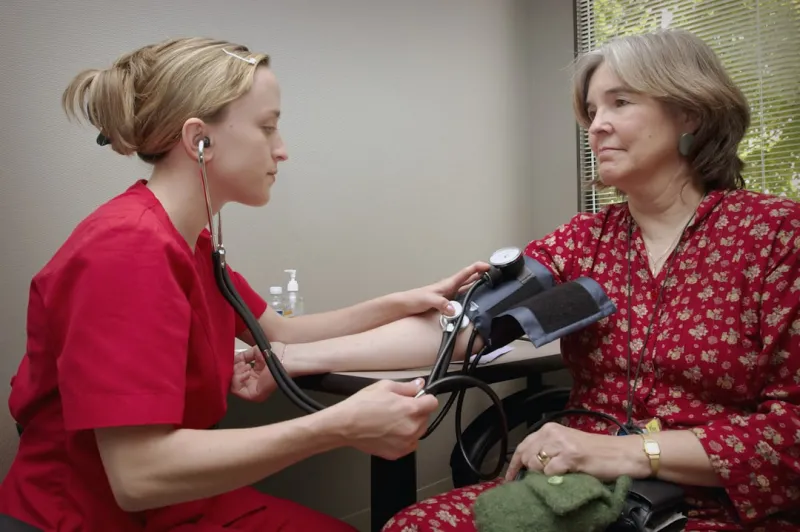
Managing Blood Pressure: A Holistic Approach to Wellness
Manage blood pressure naturally with a holistic approach. Learn how to lower blood pressure with lif... Read More

Quiet Zones: How Your Environment Can Naturally Lower Blood Pressure
Explore how simple adjustments to light, temperature, sound, and everyday technology can create a ca... Read More
Top Posts

When the Screen Becomes the Scale: Unmasking the Digital Triggers of Eating Disorders
A deep dive into how algorithm‑driven content, likes, and health‑tracking apps can silently nurture disordered eating, plus actionable strategies for users,...Read More
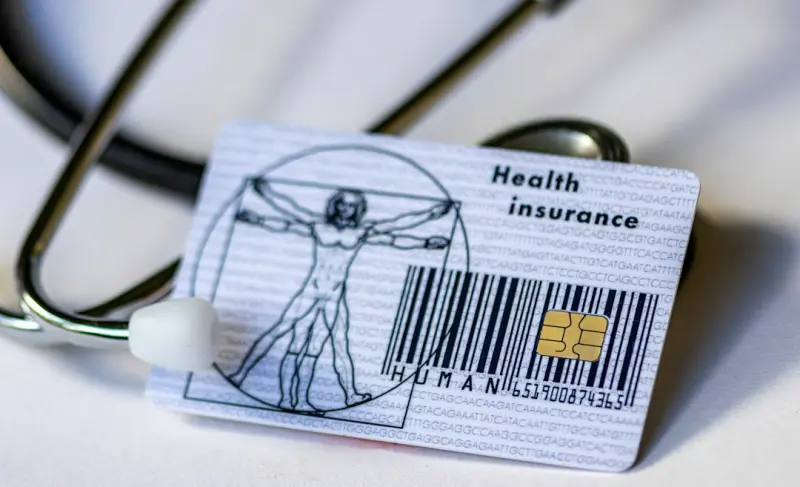
Turn Your Health Insurance Into a Proactive Wellness Engine
Learn practical steps to unlock the hidden wellness features in your health plan— from telehealth and mental‑health coverage to preventive screenings and in...Read More

The Surprising Science Behind Infant Skin‑to‑Skin Contact
Learn why skin‑to‑skin isn’t just sweet—it’s a powerful health tool that strengthens your baby’s immune system, sleep patterns, and your own wellbei...Read More

The Phone‑Free Night: A Data‑Driven Blueprint to Beat Insomnia
A step‑by‑step guide shows how to audit your evening screen habits, use blue‑light filters, create a screen‑free sanctuary, and leverage gut‑friendly ...Read More
0 Comments
Post Comment
You will need to Login or Register to comment on this post!