
Harvesting Health: How Community Gardens Revitalize Seniors’ Bodies, Minds, and Social Lives
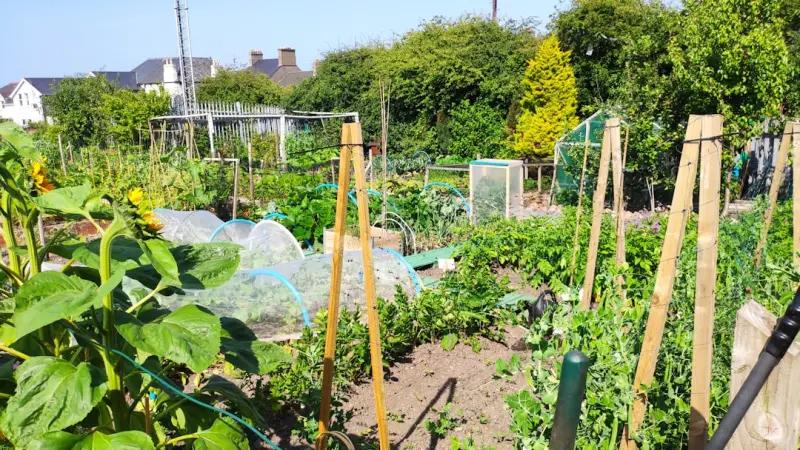
When I first stepped onto a plot of raised beds at my local senior center, I expected a quiet corner where a few hardy volunteers would tend to tomatoes. What I found instead was a bustling ecosystem of curiosity, conversation, and gentle competition—an unexpected prescription for wellness that has no pills, no appointments, and no expiration date. As someone who has spent decades watching the aging process unfold in friends, family, and colleagues, I’ve learned that health in later life is less about fighting decline and more about cultivating growth. And there’s no better metaphor than a garden.
The Science Behind Soil and Synapses
Gardening is more than a pleasant pastime; it is a multidimensional activity that engages the body, brain, and social network simultaneously. Physically, the repetitive motions of digging, planting, and weeding provide low‑impact resistance training that supports muscle maintenance and joint flexibility. A study in the Journal of Aging and Physical Activity found that seniors who garden for just 30 minutes a day experienced a 12% improvement in balance scores, reducing fall risk dramatically.
Mentally, the act of nurturing a living plant triggers neurochemical cascades that boost dopamine and serotonin—natural mood stabilizers. Moreover, the sensory richness of soil (its texture, smell, and temperature) stimulates the hippocampus, the brain region crucial for memory formation. For those worried about cognitive decline, this is a practical, enjoyable alternative to the tiny physical shifts for brain health that many of us already incorporate.
Socially, gardens become communal classrooms. They spark conversations about seed varieties, weather patterns, and personal stories, forging bonds that combat the isolation that often shadows retirement. In fact, a recent survey of senior garden participants reported a 30% increase in perceived social support, a metric that correlates strongly with lower mortality rates.
Designing a Garden That Grows With You
Not every senior can start a full‑scale backyard plot, but the principles of garden design can be adapted to any environment—be it a community park, a rooftop terrace, or even a windowsill. Here are the foundational steps I recommend:
- Assess Accessibility: Choose raised beds that sit at waist height to minimize bending. Ensure pathways are wide enough for walkers or wheelchairs and consider non‑slip surfaces.
- Select Low‑Maintenance Plants: Herbs like mint, basil, and rosemary thrive with minimal care. Root vegetables such as carrots and radishes grow quickly, offering visible rewards that keep motivation high.
- Incorporate Sensory Elements: Plant fragrant flowers (lavender, marigold) and crunchy textures (lettuce, kale). These sensory cues stimulate the nervous system and add therapeutic value.
- Build a Schedule: Create a simple calendar that outlines planting, watering, and harvesting tasks. Routine fosters a sense of purpose and can be paired with other daily habits for consistency.
When you align the garden’s demands with the physical capabilities and interests of the participants, you lay the groundwork for sustainable engagement.
From Seed to Plate: Nutrition Benefits You Can Taste
One of the most immediate perks of senior gardening is access to fresh, nutrient‑dense produce. Home‑grown vegetables retain higher concentrations of vitamins C and K, as well as antioxidants that combat oxidative stress—a key driver of age‑related diseases. Imagine swapping a store‑bought bag of lettuce for a handful of crisp leaves you harvested yourself, knowing they were nurtured with your own hands.
Beyond the nutritional boost, the act of preparing meals with garden harvests encourages mindful eating. Seniors who regularly cook with fresh herbs report higher satisfaction with meals and better portion control, which can help manage weight and blood sugar levels. If you’re interested in expanding your culinary repertoire, consider pairing garden cooking with storytelling techniques to deepen the experience—an approach similar to the concepts explored in storytelling your way to stable blood sugar.
Technology in the Dirt: Smart Tools for the Tech‑Savvy Senior
While the image of a senior stooped over a garden plot feels timeless, modern technology can enhance the experience without detracting from its simplicity. Moisture sensors embedded in the soil send alerts to a smartphone, reminding you when it’s time to water. Light meters ensure plants receive optimal sunlight, reducing the trial‑and‑error that can frustrate beginners.
More advanced wearables can even monitor your heart rate and steps while you tend the garden, providing data that ties physical activity directly to health outcomes. This is where the insights from wearable technology for early detection become relevant: by collecting continuous biometric data, seniors can catch subtle health changes early, allowing for proactive care.
Don’t let the tech jargon intimidate you—most devices offer one‑click setup and clear visual cues. The goal is to make gardening feel effortless, not to turn it into a lab experiment.
Intergenerational Exchange: Learning From Each Other
One of the most rewarding aspects of senior gardens is the natural bridge they build between generations. Children love digging in the dirt, and grandparents cherish passing down heirloom seeds and stories of harvests past. This reciprocity nurtures a sense of legacy while providing younger participants with lessons in patience, responsibility, and nutrition.
When planning your garden program, invite local schools or youth groups to volunteer a few hours each month. Not only does this expand the garden’s manpower, but it also infuses fresh energy and curiosity into the space. The result is a vibrant community hub where age becomes a shared attribute rather than a dividing line.
Overcoming Common Barriers
Many seniors hesitate to start a garden due to perceived obstacles. Below are common concerns and practical solutions:
- Physical Limitations: Use ergonomic tools with padded handles and leverage long‑handled rakes to reduce strain. Consider container gardening on patios to eliminate the need for bending.
- Weather Constraints: Install shade cloths or cold frames to extend the growing season. Portable containers can be moved indoors during extreme conditions.
- Knowledge Gaps: Partner with local horticultural societies or extension offices that often offer free workshops tailored to seniors.
- Time Management: Break tasks into 15‑minute increments. Even a short daily check‑in can keep plants thriving and maintain the habit loop.
Addressing these hurdles head‑on ensures that the garden remains a source of empowerment rather than frustration.
Measuring Success: Beyond the Harvest
Success in senior gardening should be measured holistically. While the quantity of tomatoes harvested is a tangible metric, other indicators matter just as much:
- Physical Metrics: Improved mobility, reduced blood pressure, and increased strength.
- Cognitive Metrics: Enhanced memory recall, better executive function, and higher mood scores.
- Social Metrics: Frequency of interactions, sense of belonging, and participation rates in garden events.
Collecting simple data—like a weekly wellness check‑in sheet—can help participants see their progress over time, reinforcing the positive feedback loop that keeps them engaged.
Creating a Legacy: Seed Libraries and Story Archives
One lasting contribution seniors can make is establishing a seed library. By donating heirloom varieties, they preserve biodiversity and cultural heritage for future growers. Pair this with a story archive where participants record memories tied to each plant—perhaps a recollection of a summer spent picking strawberries with a grandchild.
This dual archive serves as a living museum, honoring the past while nurturing future growth. It also offers an avenue for seniors to reflect on their life narratives, fostering a sense of purpose and continuity.
Take the First Step Today
If you’re reading this and feeling a spark of curiosity, start small. Find a community plot, borrow a raised bed, or set up a windowsill herb garden. Reach out to local senior centers, libraries, or horticultural clubs—they often have resources waiting for enthusiastic volunteers.
Remember, the garden is not a race; it’s a season. As the soil loosens under your fingertips, so does the rigidity of age‑related expectations. In cultivating plants, you cultivate resilience, joy, and a vibrant community. Let the simple act of planting a seed become the catalyst for a healthier, more connected chapter of your life.

Brandy Miller is a dynamic freelance writer based in the vibrant city of Cambridge, Ontario. With a passion for storytelling that knows no bounds, she crafts compelling narratives that captivate and inspire. Brandy’s love for writing shines through in her versatile work, whether she’s penning thought-provoking articles or engaging content that resonates with readers. Her unique perspective and friendly tone make her a sought-after voice in the writing community. When she’s not weaving words together, you can find her exploring the beautiful landscapes of Ontario, always seeking new adventures and inspiration for her next piece. Brandy is not just a writer; she’s a creative force, making her mark one word at a time.
Related Posts

Digital Companion Hubs: Redefining Senior Health and Community
A senior‑focused health revolution is unfolding with digital companion hubs—community dashboards... Read More
Purpose‑Driven Movement: Redefining Senior Health Through Meaningful Activity
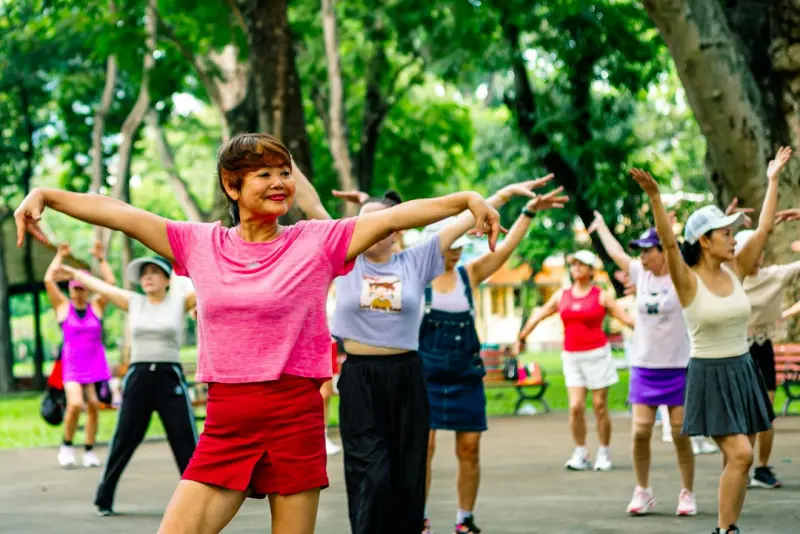
Discover how purpose‑driven activities—like crafting, gardening, and intergenerational programsâ... Read More

Why Curiosity Is the Secret Workout for Seniors
Curiosity can be a low‑impact workout for seniors, blending mental stimulation with gentle movemen... Read More
Top Posts
Navigating the Narcolepsy Workplace: Practical Hacks for Everyday Success
A step‑by‑step guide to mastering productivity at work while living with narcolepsy, from schedule hacks to tech allies and nutrition tips that keep you ale...Read More

Turn Up the Volume on Health: How Soundscapes Can Calm Your Blood Pressure
Explore the science behind soothing soundscapes, practical audio choices for each part of the day, and how wearable tech can pair with music to help lower blood...Read More

Cultural Identity and Eating Disorders: Finding Balance Between Heritage and Body Image
A personal journey reveals how cultural roots, family dynamics, and digital pressures intertwine with eating disorders, offering fresh, culturally‑aware pathw...Read More
Reimagining Physiotherapy for the Hybrid Workforce: Movement, Mind, and Micro‑Breaks
A modern physiotherapy approach blends short, targeted micro‑movements, mental engagement, and virtual community to keep hybrid workers pain‑free and produc...Read More
0 Comments
Post Comment
You will need to Login or Register to comment on this post!