
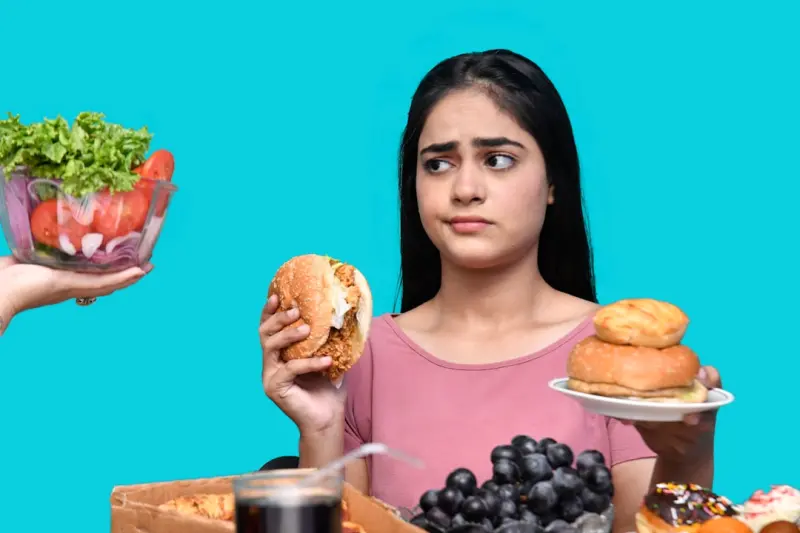
Growing up in a bicultural household, I learned early that food was more than sustenance—it was a language of love, a marker of identity, and a silent battleground. The kitchen tables in my parents’ home were filled with fragrant dishes that told stories of migration, resilience, and belonging, yet every bite also carried an unspoken expectation to honor tradition while conforming to modern ideals of thinness. This tension became the backdrop of my own struggle with disordered eating, where cravings were tangled with guilt and the desire to fit into a society that glorifies the “perfect” body. I realized that my relationship with food was not simply a personal flaw but a complex weave of cultural heritage, media influence, and familial pressure, each thread pulling me in contradictory directions.
When Heritage Becomes a Mirror for Self‑Judgment
In many immigrant families, meals are celebrations of survival; refusing a portion can feel like rejecting a piece of one’s lineage. I found myself counting calories during holiday feasts, silently measuring how many dumplings I could eat before I felt “unacceptable.” The paradox was brutal: honoring my ancestors’ sacrifices while internalizing the Western narrative that equates worth with waistline. This internal conflict manifested in cycles of restriction followed by binge episodes, each episode reinforcing the belief that I was failing both cultures. The silence around these struggles only deepened the shame, making it harder to reach out for help. It wasn’t until I started to name this cultural dissonance that I could begin to untangle the knot.
The Digital Echo Chamber: Social Media’s Role
Social platforms amplify the pressure to present a curated, flawless self, and for someone already wrestling with identity, the impact is magnified. Scrolling through endless streams of filtered images, I often felt my own body was a misfit in a gallery of idealized forms. Algorithms learn what we engage with, serving more of the same, creating a feedback loop that validates unhealthy comparisons. It’s a subtle yet relentless form of coercion that can trigger or exacerbate eating disorders, especially when cultural nuances are erased in favor of a monolithic beauty standard. I learned to recognize these patterns, setting boundaries, and seeking content that celebrates diverse bodies and stories, which became a lifeline in the darkest moments.
Family Dynamics and Unspoken Expectations
In my family, compliments about appearance were rare; praise focused on academic achievement or professional success. When a comment about “looking healthier” slipped in, it felt less like encouragement and more like a covert reminder of my perceived flaws. This dynamic taught me to internalize criticism, interpreting neutral remarks as judgments. Over time, the fear of disappointing loved ones turned into a compulsive need to control my eating, hoping that a slimmer silhouette would earn the validation I craved. Opening dialogue about these hidden pressures required vulnerability and the courage to challenge long‑standing norms, but it also paved the way for mutual understanding and support.
Therapeutic Approaches That Honor Culture
Traditional eating‑disorder treatments often adopt a one‑size‑fits‑all model, overlooking cultural specificity. I found greater healing in approaches that integrated my heritage, such as incorporating mindful cooking practices rooted in my family’s traditions and exploring the symbolism of food in cultural rituals. Collaborative therapy that respected my background allowed me to reframe meals not as enemies but as bridges to my roots. This culturally attuned perspective transformed my relationship with food from a source of anxiety to an avenue for reconnection, fostering a sense of empowerment rather than control.
Building Community Beyond the Kitchen
Connecting with others who share similar cultural backgrounds and eating‑disorder experiences created a safe space where my story was seen and validated. Peer groups that celebrate diversity of body shapes and cultural narratives helped dismantle the isolation that often accompanies recovery. In these circles, we exchanged recipes that honored tradition without triggering compulsive behaviors, and we practiced affirmations that highlighted our worth beyond appearance. The collective strength of such communities proved that healing is not a solitary journey but a shared pilgrimage toward self‑acceptance.
Science Meets Tradition: A Holistic Lens
Emerging research highlights the gut‑brain axis as a crucial player in mood regulation and eating behaviors. By aligning scientific insights with traditional dietary practices, I discovered a synergistic path to wellness. For instance, integrating probiotic‑rich foods common in my culture supported my gut health, which in turn steadied my mood and reduced binge urges. This integration is beautifully illustrated in an article about brain health, where the connection between gut health and cognition is explored. You can read more about it here, offering a compelling reminder that our bodies and traditions can work together.
Leveraging Narrative to Reclaim Identity
Storytelling has become a powerful tool in reshaping how we view ourselves and our bodies. By documenting my journey—highlighting both setbacks and triumphs—I reclaimed agency over the narrative that once felt imposed by external standards. Sharing these experiences publicly not only demystifies eating disorders within my cultural community but also invites others to speak their truth. The act of naming our struggles transforms them from invisible burdens into catalysts for change, fostering a culture where vulnerability is valued over perfection.
Hopeful Horizons: Redefining Success
Recovery is not a linear path, and for those of us navigating the crossroads of culture and body image, success looks different for each individual. It may mean savoring a family‑cooked meal without counting calories, or it could be embracing a new hobby that celebrates our body’s capabilities. By honoring both my cultural roots and my personal well‑being, I’ve learned to define health on my own terms. I encourage anyone walking a similar path to seek out culturally aware resources, build supportive networks, and remember that every small step forward is a victory worth celebrating.

Lifan Chen is a freelancer based in Toronto specializing in marketing. With expertise in crafting effective marketing strategies and campaigns, Lifan helps businesses grow their brand presence and reach target audiences. As a Toronto-based freelancer, Lifan combines local market insights with creative marketing skills to deliver tailored solutions for clients.
Related Posts

When Food Becomes Conversation: Rewriting My Relationship with Eating
A candid first‑person account reveals how redefining food as dialogue, community, and mindful move... Read More
Beyond the Mirror: Harnessing Digital Peer Networks for Eating Disorder Recovery
Digital peer networks are transforming eating disorder recovery by providing real‑time support, da... Read More

Unmasking the Silent Dialogues That Drive Disordered Eating
A personal look at the unseen conversations that drive restrictive eating, offering fresh strategies... Read More
Top Posts

Turning Sleep Apnea Into a Productivity Ally
A personal journey reveals how diagnosing sleep apnea sparked a data‑driven overhaul of nightly routines, workspace design, and overall wellness, turning rest...Read More
Seasonal Nutrition: Aligning Your Plate with Nature’s Rhythm
Learn how eating with the seasons can enhance energy, mood, and gut health while supporting the environment and your wallet....Read More
When Nightmares Turn Real: A High‑Performer's Guide to Taming Sleep Terrors
Sleep terrors can sabotage even the most disciplined professionals. This guide explains the science behind night terrors and offers a three‑tiered frameworkâ€...Read More
Crafting Longevity: How Creative Hobbies Fuel Healthy Aging
Creative pursuits like knitting, painting, and gardening engage the brain, balance hormones, and strengthen social bonds, offering a powerful, enjoyable path to...Read More
0 Comments
Post Comment
You will need to Login or Register to comment on this post!