
When I first stepped into a community art studio at age 71, I felt a spark I hadn’t experienced since my teenage years. The hum of paintbrushes, the chatter of strangers turning into friends, and the simple act of creating something with my own hands reminded me that aging isn’t a slow fade—it’s a chance to rewrite the script of health, purpose, and connection.
Why “Purpose‑Driven Activity” Beats Generic Exercise
For many seniors, the word “exercise” conjures images of treadmills, dumbbells, and a rigid regimen that feels more punitive than uplifting. While movement is undeniably vital, research shows that purpose‑driven activity—tasks that blend physical motion with personal meaning—delivers a deeper, more sustainable boost to both body and mind. When a task aligns with a personal value—be it gardening, storytelling, or volunteering—the brain releases dopamine and endorphins, reinforcing the behavior and creating a positive feedback loop.
Crafting Your Own “Movement‑With‑Meaning” Routine
Start by asking yourself three simple questions:
- What brings me joy?
- What skill do I wish to develop or share?
- How can I contribute to my community?
Answering these prompts might lead you to discover that a weekly knitting circle, a neighborhood clean‑up crew, or a local history walking tour could be the perfect vehicle for staying active. The key is to intertwine the physical component—standing, walking, stretching—with a purpose that resonates with you.
Micro‑Moments of Motion: The Unsung Heroes of Senior Fitness
While grand gestures like a daily 30‑minute walk are beneficial, the Hidden Power of Micro‑Movement reminds us that tiny, intentional motions accumulate into significant health dividends. Think of reaching for a book on a high shelf, pausing to stretch between chapters, or dancing for a minute while the kettle whistles. These micro‑movements keep joints lubricated, improve circulation, and stimulate neuro‑muscular pathways that safeguard balance.
The Social Amplifier: How Community Fuels Physical Consistency
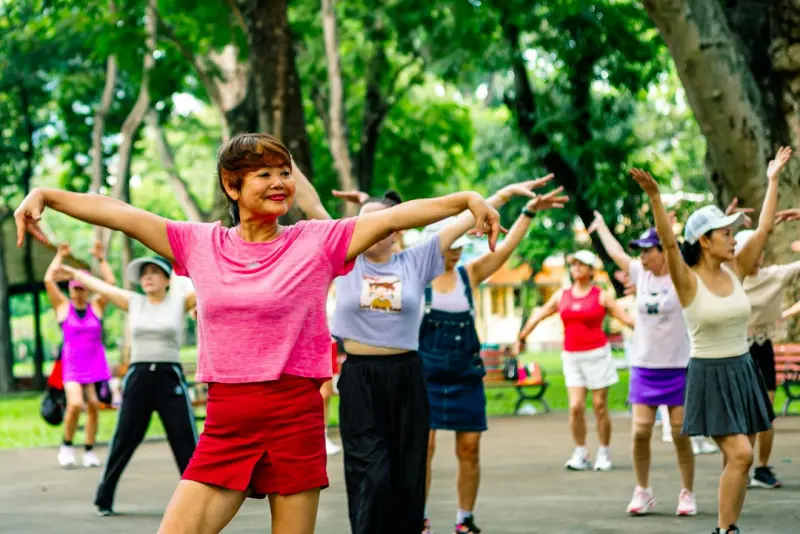
Humans are wired for connection, and seniors are no exception. A study from the University of Michigan found that seniors who engage in regular group activities experience a 30% reduction in the risk of frailty compared to those who exercise alone. The social element creates accountability—a friendly reminder to show up, share progress, and celebrate milestones. It also combats loneliness, a silent epidemic that can erode immune function and accelerate cognitive decline.
Intergenerational Exchange: A Two‑Way Street to Health
One of the most rewarding ways to embed purpose into movement is through intergenerational programs. Imagine teaching grandchildren how to bake a family recipe, guiding them through each step, and in the process, lifting your arms to stir, knead, and lift. Not only does this provide moderate physical activity, but it also reinforces memory, sharpens fine motor skills, and strengthens emotional bonds. The reciprocal nature of these interactions—where the younger generation learns patience and respect while the elder receives vitality and relevance—creates a potent health cocktail.
Digital Tools: Bridging the Gap Without Leaving Home
Technology is no longer the exclusive domain of the young. Video‑calling platforms, virtual fitness classes, and online hobby clubs have exploded, offering seniors a gateway to stay active while staying safe. A simple tablet tutorial can open doors to live yoga streams, guided tai‑chi sessions, or even virtual museum tours that require standing and gentle walking in one’s living room. The digital world, when approached with curiosity rather than fear, can become a conduit for both mental stimulation and physical movement.
Nutrition Meets Movement: The Power of Sipping and Stretching
Pairing purposeful activity with mindful nutrition creates a synergistic effect. For instance, a post‑garden tea ceremony—where you harvest herbs, brew a calming infusion, and sip while seated—offers a gentle stretch for the spine and a moment of mindfulness. The act of preparing food engages fine motor skills, while the antioxidants in fresh herbs support cellular health. This holistic approach mirrors the insights from Thriving After 65, but focuses specifically on the micro‑routines that blend flavor, movement, and purpose.
Tracking Progress Without Obsession
Unlike the high‑tech trackers that count every step, seniors can adopt a low‑tech journal approach. A simple notebook titled “My Purpose‑Driven Moments” can log activities, feelings, and any physical sensations. Over weeks, patterns emerge—perhaps you notice that gardening days lift your mood more than a solitary walk. This reflective practice encourages self‑awareness, celebrates successes, and gently nudges you toward activities that truly nourish body and soul.
Overcoming Barriers: From Self‑Doubt to Sustainable Joy
Many seniors grapple with the belief that they’re “too old” to start something new. Reframing this narrative is essential. Instead of viewing age as a limitation, see it as a reservoir of experience that enriches any new endeavor. Start small—commit to a five‑minute stretch before a favorite TV show, or a 10‑minute walk to the mailbox. Celebrate each win, no matter how modest, and let those victories snowball into larger, more confident steps.
In the end, senior health isn’t just about ticking boxes on a medical checklist. It’s about weaving movement, purpose, and connection into a tapestry that feels as vibrant as the colors on a fresh canvas. By embracing activities that matter to you, you not only strengthen muscles and joints but also nurture the spirit that makes every day worth living.

Sarah Gray is a proud Canadian who calls Brampton home, where she lives with her husband, Paul. A passionate home cook and gifted storyteller, Sarah loves creating delicious recipes and sharing stories inspired by everyday life, family, and cherished experiences. When she isn't experimenting in the kitchen, she's busy crafting engaging content that reflects her warmth, creativity, and love of connection. Above all, Sarah treasures time spent with her grandchildren, embracing every opportunity to create lasting memories with the people she loves most.
Related Posts
The Importance of Sleep in Seniors' Health: A Holistic Approach
Sleep is essential for physical and mental health in seniors. Learn about the impact of sleep on hea... Read More
Thriving After 65: A Holistic Blueprint for Senior Wellness
A comprehensive guide for seniors that blends purpose‑driven community, low‑tech social tools, m... Read More
The Intersection of Aging and Chronic Health Conditions: A Holistic Approach to Senior Health
A holistic approach to senior health prioritizes physical, emotional, and social needs to manage chr... Read More
Top Posts
Reignite Your Gains: How Muscle Memory Turns a Break into a Fast‑Track to Strength
Learn how to leverage muscle memory to accelerate strength gains after a hiatus. This guide covers neural reset, progressive overload, nutrition timing, sleep q...Read More

Moving Beyond the Mirror: A Holistic Journey to Joyful Exercise
A personal, holistic guide to turning exercise into a celebration, balancing breath, nutrition, and recovery for lasting vitality....Read More
Evening Journaling: A Quiet Weapon Against Insomnia
A personal guide to using evening journaling, soothing environments, and sensory cues to break the insomnia cycle and welcome restful nights....Read More
When Screens Meet Plates: Redefining Eating Disorders in the Digital Age
A fresh perspective on how online culture shapes eating disorders and actionable steps to reclaim control over food and self‑image....Read More
0 Comments
Post Comment
You will need to Login or Register to comment on this post!