
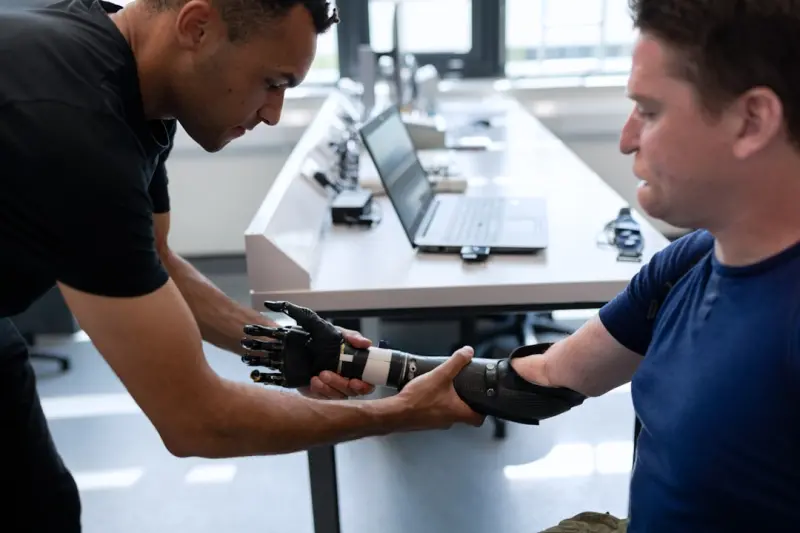
When the office chair becomes a second skin and the coffee‑filled commute turns into a living‑room stroll, the old playbook for physiotherapy feels outdated. I’ve spent the past decade guiding athletes, desk‑bound executives, and anyone caught between the pull of a laptop and the promise of a better posture. What I’m seeing now is a cultural shift: people are demanding pain‑free movement that fits into a fragmented schedule, not a 9‑to‑5 routine. This post is a deep dive into the emerging model of physiotherapy that meets the hybrid workforce where it lives—between video calls, coffee breaks, and the occasional jog around the block.
The Hybrid Hustle: Why Traditional Clinics Miss the Mark
Traditional physiotherapy clinics were built around the idea of a patient walking through a door, receiving a hands‑on assessment, and leaving with a printed exercise sheet. That model assumes:
- Consistent availability. A set appointment time every week.
- Physical presence. Access to a treatment table and specialized equipment.
- Static routines. A one‑size‑fits‑all program that rarely adapts to daily fluctuations.
For the hybrid worker, these assumptions crumble. Meetings pop up at 9 am, the child’s virtual school ends at 3 pm, and the “gym day” slides to whenever the inbox quiets. The result? Missed appointments, half‑completed home programs, and a growing backlog of musculoskeletal complaints that never get properly addressed.
Micro‑Movement: The New Prescription
Instead of long, infrequent sessions, the modern physiotherapy prescription is a series of micro‑movements—short, targeted actions that can be performed in 30‑seconds to two minutes. Think of them as the “snack” version of exercise: easy to digest, low risk, and easily integrated into any part of the day.
Here are five micro‑movement categories that have proven especially effective for remote and hybrid workers:
- Postural Reset Bursts. A quick scapular retraction and chin tuck performed during a break between Zoom calls.
- Spinal Mobilization Flows. Gentle cat‑cow stretches at the desk to maintain lumbar fluidity.
- Hip Flexor Loosening. A seated figure‑four stretch to combat tightness from prolonged sitting.
- Neck Release Sequences. Slow lateral neck tilts paired with deep diaphragmatic breaths.
- Core Activation Pops. A few seconds of abdominal bracing while waiting for a coffee machine.
These micro‑movements are not a gimmick; they are grounded in research showing that frequent, low‑intensity activation can reduce pain perception and improve neuromuscular coordination. The key is consistency, not duration.
Technology as a Coach, Not a Gadget
While I’m cautious about over‑relying on flashy wearables, there’s a sweet spot where simple tech becomes a silent coach. A sensory‑reset timer on your phone can remind you to stand, stretch, and breathe. Pair this with a quick video tutorial that demonstrates the micro‑movement you need at that moment, and you’ve turned a random reminder into a purposeful rehab moment.
What’s powerful about this approach is that the technology doesn’t dictate the therapy—it merely scaffolds the habit. The therapist’s role evolves into a “movement strategist,” designing a library of short videos, written cues, and progress trackers that the client accesses on their own schedule.
The Brain‑First Angle: Why Mind Matters in Movement
Physiotherapy has long been about the body, but the mind is an equal partner in the healing equation. Our nervous system determines which muscles fire, how we perceive pain, and whether we stick to a program. By integrating a brain‑first approach to muscle health, we empower clients to rewire old movement patterns.
Practical ways to embed this mindset include:
- Visualization Drills. Before a micro‑movement, spend five seconds picturing the muscles elongating and the joints aligning.
- Breath‑Coupled Activation. Sync inhalations with expansion phases (e.g., shoulder blades moving apart) and exhalations with contraction phases.
- Mindful Check‑Ins. At the end of each work block, pause to notice tension, then release it with a brief stretch.
These techniques not only improve motor control but also reduce the emotional weight of chronic pain, making the client more likely to adhere to the program.
Group Dynamics: Virtual “Movement Huddles”
Humans are social creatures. Even in a digital landscape, community boosts accountability. I’ve introduced “Movement Huddles”—15‑minute virtual gatherings where a small group of coworkers or fellow remote workers perform the same micro‑movement routine together. The benefits are threefold:
- Shared Motivation. Seeing colleagues move reduces the mental barrier to start.
- Real‑Time Feedback. A physiotherapist can pop in, observe, and make instant corrections.
- Data Aggregation. Over time, we collect anonymized movement data to spot trends, such as a spike in neck tension during back‑to‑back meetings.
These huddles can be scheduled during low‑productivity periods, turning a potential downtime into a wellness win.
Ergonomic Audits on the Fly
In the past, an ergonomic assessment required a physical visit. Today, a quick video walk‑through of the home workspace, combined with a questionnaire, provides enough data to recommend low‑cost adjustments: a laptop stand, a lumbar roll, or a footrest. The therapist can then assign micro‑movements that specifically counter the identified risk factors.
For example, if the audit reveals a forward‑head posture, the therapist might prescribe a series of chin‑tucks paired with thoracic extensions, performed every hour. The client receives a calendar reminder, a short video demonstration, and a simple log to note any discomfort changes.
Measuring Success: From Pain Scores to Functional Moments
Traditional outcome measures (e.g., VAS pain scales) are still useful, but they don’t capture the nuanced progress of hybrid workers. I now track:
- Functional Moments. Number of times a client can stand up without pain during a typical meeting.
- Movement Frequency. How many micro‑movement sets are completed per day, tracked via a simple app.
- Energy Levels. Self‑reported focus scores before and after a huddle.
These metrics paint a richer picture: a client may still report occasional aches, but if they can now confidently lift a coffee mug without wincing, the rehab is succeeding.
Future Outlook: Hybrid‑Ready Physiotherapy as a Standard
The pandemic accelerated remote work, and the hybrid model is here to stay. Physiotherapy must adapt or risk irrelevance. By embracing micro‑movements, integrating simple tech reminders, fostering community huddles, and shifting evaluation from static pain scores to dynamic functional moments, we can create a resilient, accessible model of care.
If you’re a physiotherapist, consider piloting a 30‑day micro‑movement challenge with a small client cohort. If you’re a remote worker, set a timer for the next hour and try a quick scapular retraction. The future of movement isn’t a grand, once‑a‑week session; it’s a series of intentional, bite‑sized actions that weave wellness into the fabric of everyday life.

Tammy French is a Montessori Teaching Assistant and freelance writer passionate about education, creativity, and inspiring lifelong learning through engaging content.
Related Posts
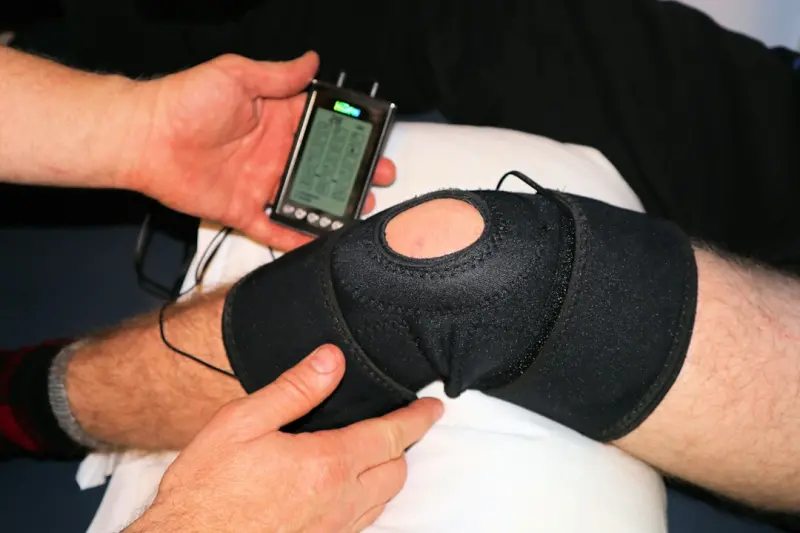
Wearable Tech Meets Physiotherapy: Crafting Data‑Driven Rehab Plans
Explore the rise of wearable technology in physiotherapy, from real‑time movement tracking to AIâ€... Read More
Physiotherapy for the Digital Nomad: Keeping Mobility on the Move
Discover a mobile‑first physiotherapy toolkit and daily routines that help digital nomads prevent ... Read More
Playful Physiotherapy: Turning Recovery into a Game
Explore the power of playful movement in physiotherapy—learn why games, storytelling, and simple p... Read More
Top Posts
When Nighttime Becomes a Battlefield: Decoding Sleep Terrors and How to Win
Sleep terrors can feel like a hostile takeover of the night, but they’re rooted in a split‑brain state where the amygdala fires while the cortex stays offli...Read More

Cultivating Joyful Momentum: Fresh Paths to Vibrant Aging
Explore fresh, playful approaches to healthy aging, including nature immersion, rhythmic movement, community storytelling, and simple data tracking, to build la...Read More
Sleepless Hours, Sharp Minds: How to Leverage Insomnia for Innovation and Decision‑Making
Explore how to treat insomnia as a diagnostic tool, harness nighttime wakefulness for creativity, and implement disciplined rituals that turn sleepless hours in...Read More

Pregnancy as the Ultimate Performance Upgrade: Data, Movement, and Mindset
This post explores treating pregnancy as a performance upgrade, using wearables, variable movement patterns, and data‑driven nutrition and mindset tools to bo...Read More
0 Comments
Post Comment
You will need to Login or Register to comment on this post!